
Last updated November 21, 2026
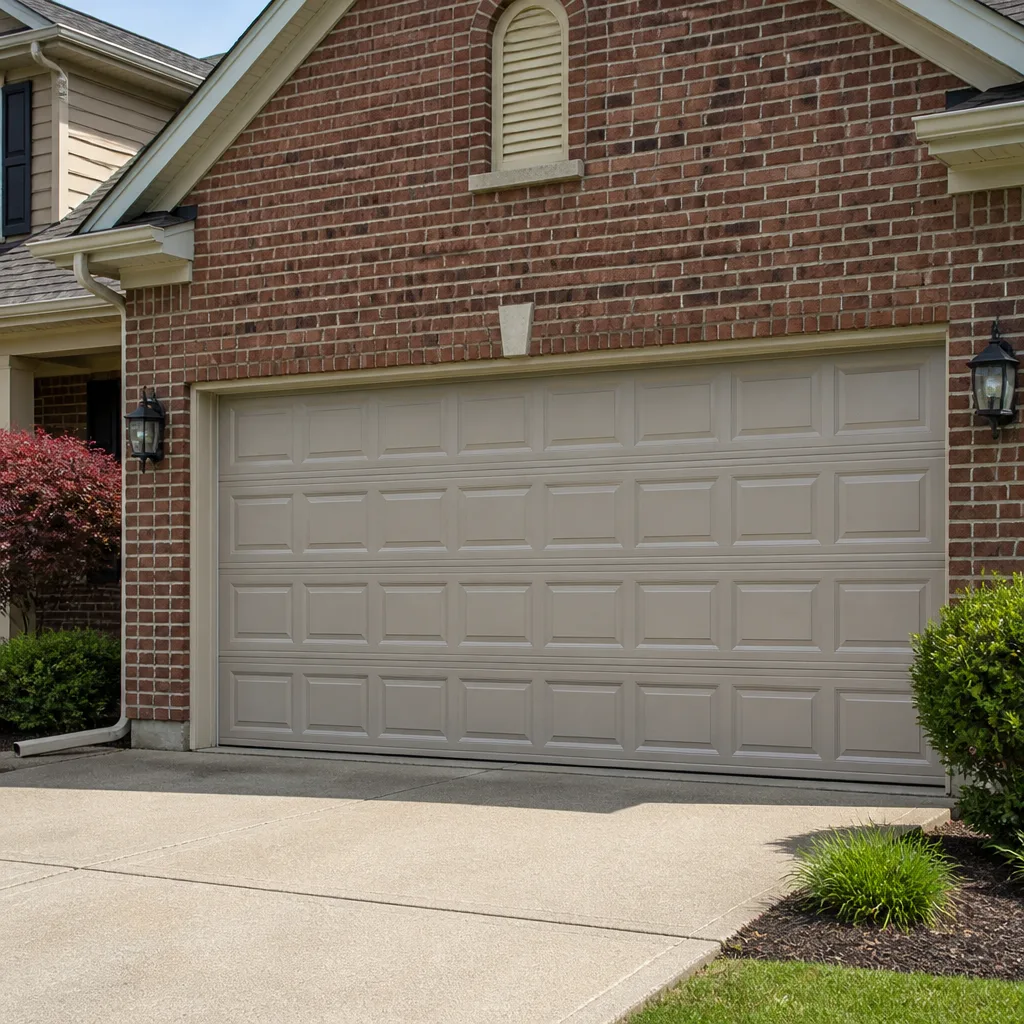 Raised-panel steel
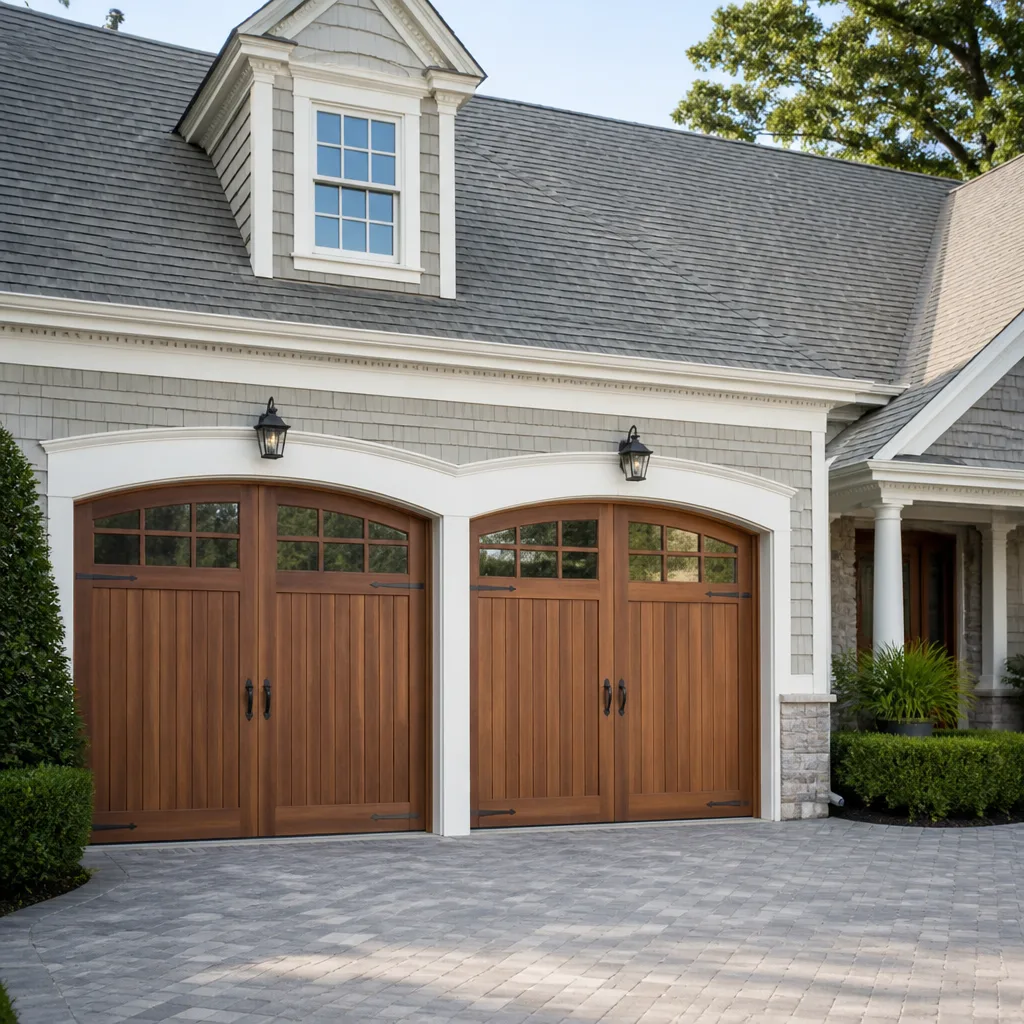 Carriage house
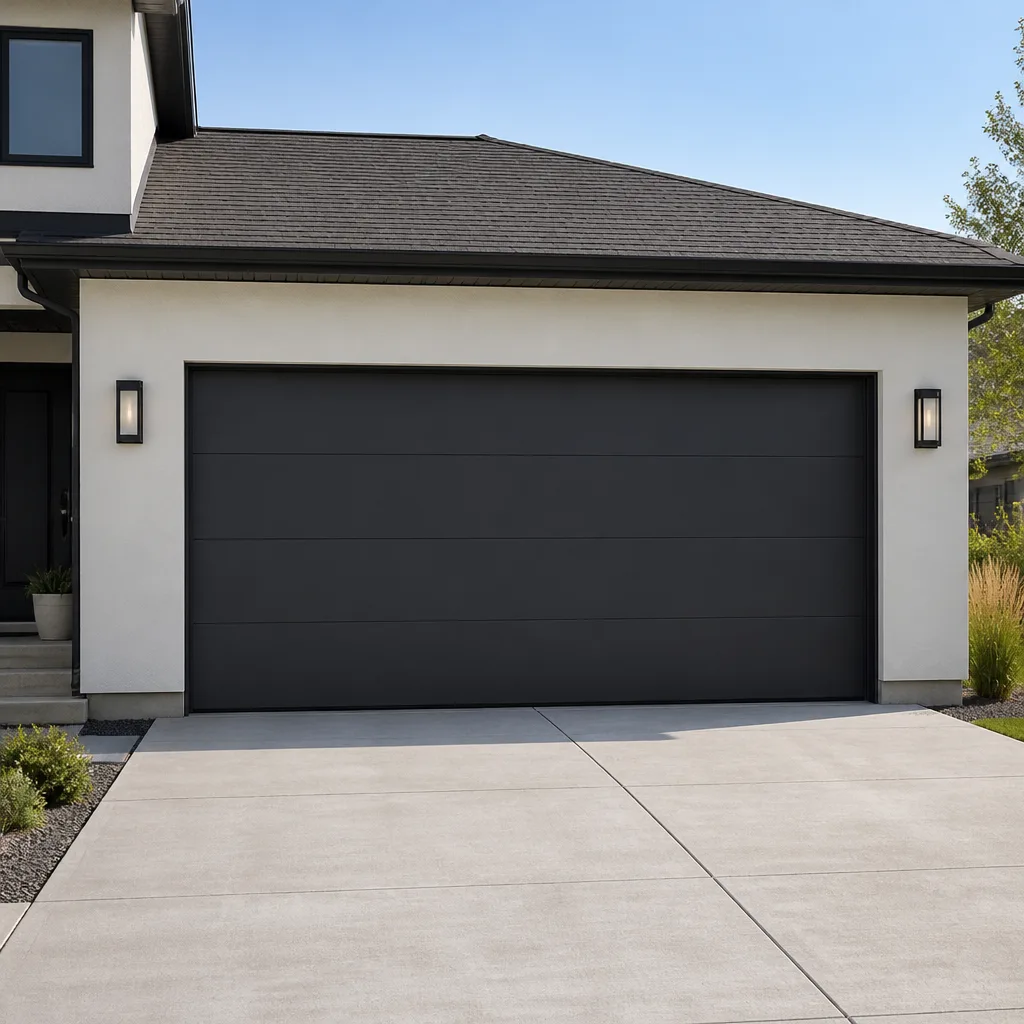 Modern flush
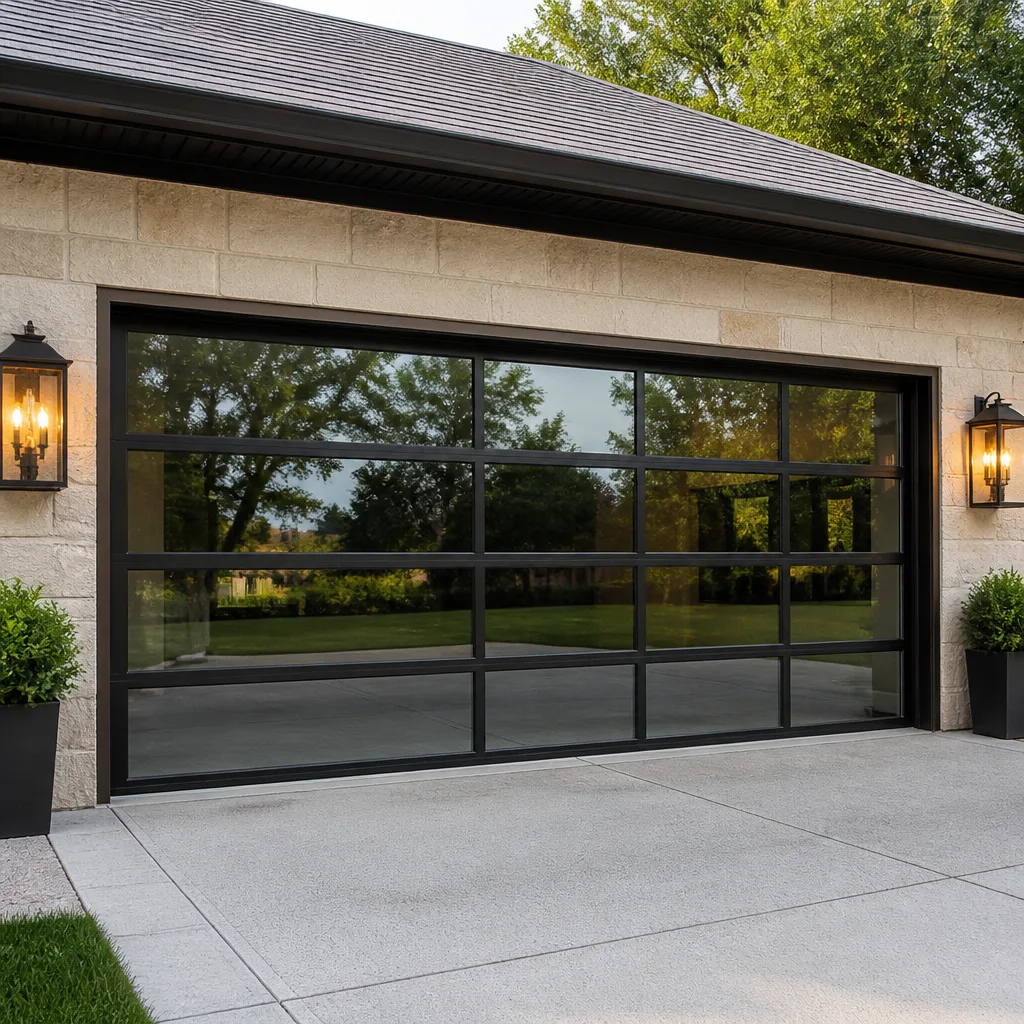 Full-view glass
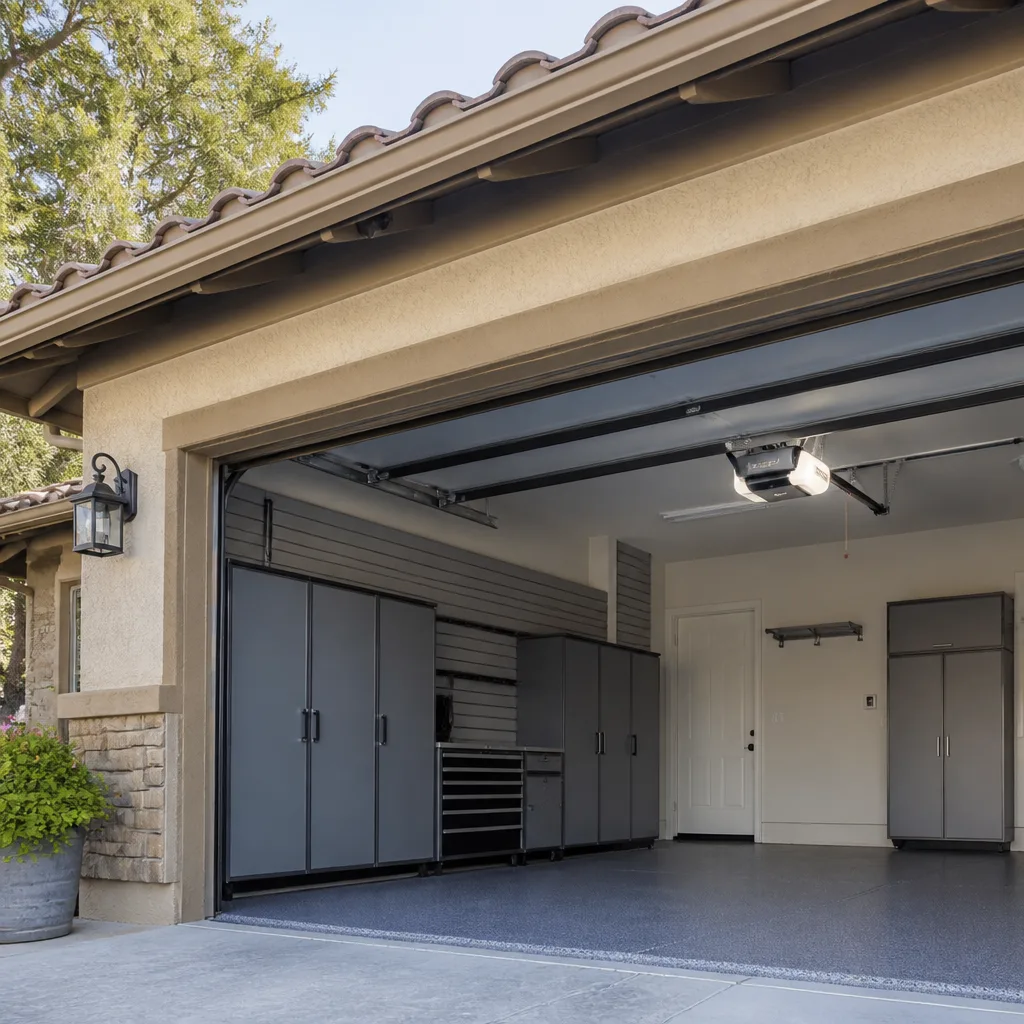 LiftMaster openers
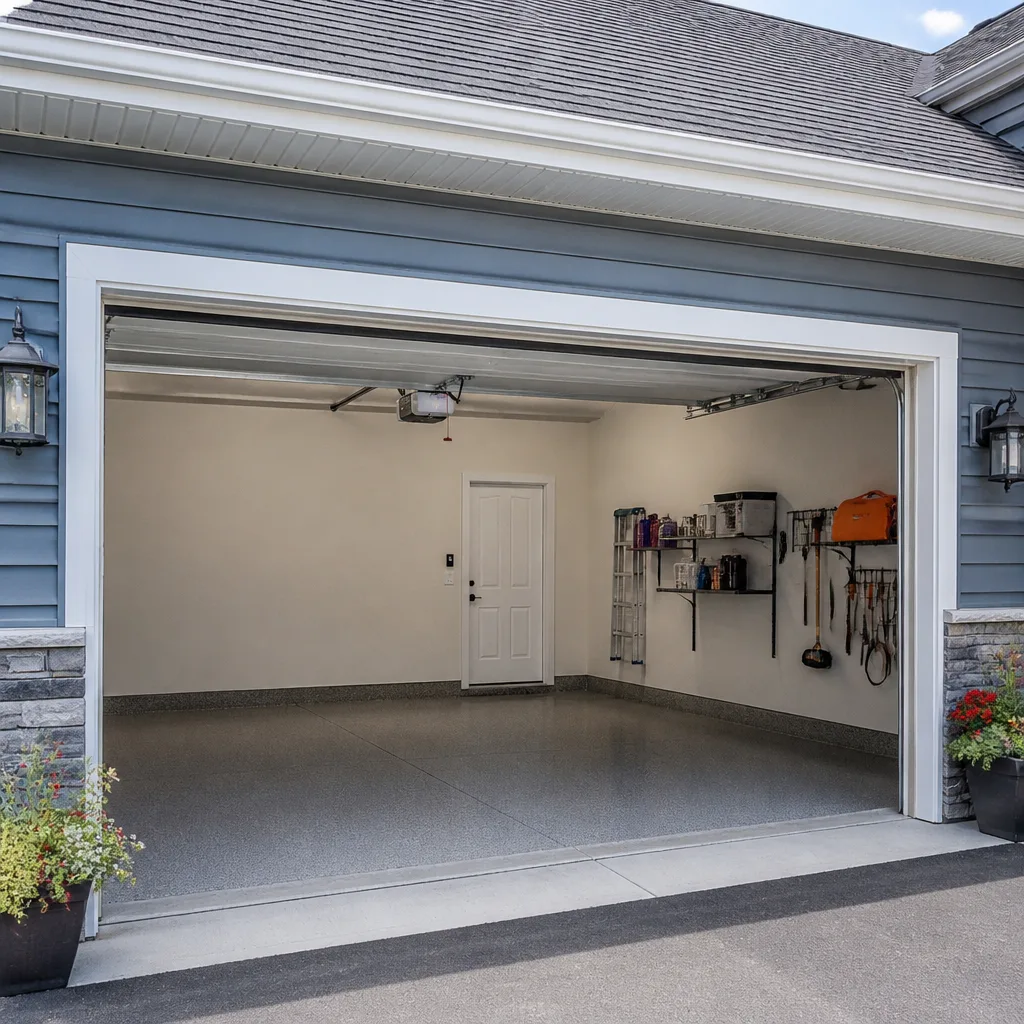 Chamberlain openers
Full 25-point door and opener safety check with every visit - springs, cables, rollers, tracks, and your LiftMaster or Chamberlain opener included
You get a price before we start. It does not change when the pro arrives.
Get your free estimateDIY vs Professional Garage Door: The Mac-Groveland Homeowner’s Decision Guide
Most homeowners treat garage door work as one single decision: fix it myself or call someone. That framing is wrong, and it leads people into real trouble. A garage door is not one machine. It’s a set of systems with completely different risk profiles. Replacing a weather seal and adjusting a torsion spring are not the same category of task, and treating them as though they are is how people get hurt. In this guide we sort garage door work into what’s genuinely safe to do yourself, what’s doable with the right tools and research, and what’s professional-only because of injury risk. We’ll cover the cost math honestly, including where a failed DIY attempt costs more than the original repair would have. This is written from Mac-Groveland, where winter puts real demands on doors and openers.
Quick Answer
You can safely handle most garage door maintenance yourself: lubrication, weather seals, visual inspections, remote and battery issues, and sensor alignment. You should not touch torsion or extension springs, cables under tension, or the bottom bracket, because a released spring or cable can cause serious injury. Anything involving the counterbalance system belongs with a trained professional. Everything else is a judgment call about tools, time, and warranty.
Styles & brands we work with
- Raised-panel steel
- Carriage house
- Modern flush
- Full-view glass
- LiftMaster openers
- Chamberlain openers
Table of Contents
- Why Springs Are in a Different Category Entirely
- The Task List: Safe DIY, Possible DIY, and Professional-Only
- The Cost Math: Where DIY Saves Money and Where It Doesn’t
- How DIY Work Affects Your Manufacturer and Installer Warranty
- Tools and Knowledge You Need Before Intermediate Tasks
- What Mac-Groveland Winters Do to Doors and Openers
- Opener Work: Where DIY Actually Makes Sense
- The Honest Case for Professional Service
Why Springs Are in a Different Category Entirely
Garage door springs store enough energy to lift a door that weighs hundreds of pounds. That energy stays in the spring whether the door is open or closed. When a torsion spring is wound, or an extension spring is stretched, the metal is under constant load. Releasing that load incorrectly means the spring, the winding bar, or the cable snaps back with force that no hand or tool placed in its path will stop.
This is the part people underestimate. The danger isn’t that spring work is complicated. It’s that a single slip during the wrong half-second can break a wrist or worse, and there’s no way to recover mid-mistake. Trained technicians use specific winding bars, maintain controlled release positions, and know how many turns a given spring needs. There’s no shortcut around that, and there’s no partial credit.
Mac-Groveland has a lot of older homes with original overhead doors, which means a homeowner here is more likely than average to find an extension spring setup rather than torsion. Extension springs stretch along the ceiling and, on older doors, often lack the safety cables that contain them when they fail. If you’re looking up at your door and see two long springs running parallel to the tracks, that’s an extension system – and an unprotected one is a specific hazard worth addressing.
Spring repair is the repair we get called for most often, and it’s also the one where we most often hear about someone who tried it first. That’s not a scare tactic. It’s the pattern. If you want the technical rundown on how torsion and extension spring work differs, our page on garage door repair covers it in detail. But the practical takeaway is simpler: don’t. Call someone.
The Task List: Safe DIY, Possible DIY, and Professional-Only
Here’s the breakdown that matters. Sort every garage door task you’re considering into one of these three buckets before you pick up a tool.
Safe to Do Yourself
- Lubrication. Rollers, hinges, the torsion bar bearing plates, and the opener rail all benefit from a garage door lubricant (not WD-40) applied a couple times a year. This is the single highest-value thing you can do and it takes ten minutes.
- Weather seal replacement. The bottom rubber seal and the side/top brush seals wear out. These slide or nail in and are genuinely homeowner-level work.
- Sensor alignment and cleaning. The photo-eye sensors at the bottom of the tracks get knocked out of alignment or covered in grime. Wipe the lenses, realign them so the indicator light is solid, done.
- Remote and keypad programming. Battery swaps and re-pairing remotes for Chamberlain, Genie, and similar systems is a manual-and-patience task, not a mechanical one.
- Visual inspection. Look at cables for fraying, springs for gaps, rollers for flat spots, and the door’s balance by disconnecting the opener and lifting it halfway. You’re not fixing anything here, just spotting problems early.
Possible DIY With the Right Tools and Research
- Track adjustment. Slight misalignment can be corrected with a socket set and some patience, but you need to understand that tracks must be plumb and level or the door will bind.
- Roller replacement. Doable, but you’re working around tension, so the door needs to be fully open and ideally propped. If a roller is seized, forcing it can damage the track.
- Panel replacement. A single dented panel can be swapped by a careful homeowner, but alignment and the risk of pinching fingers in the sections make this more fiddly than it looks.
- Opener belt or chain replacement. Reasonable for someone comfortable with the manual, but you’ll need to re-set travel limits afterward, which trips up a lot of first-timers.
Professional-Only Because of Injury Risk
- Torsion spring replacement. Winding a spring requires specific bars and a controlled release technique.
- Extension spring replacement. Less dramatic than torsion but still stored energy.
- Cable replacement. Cables are under constant tension and, on a torsion system, are what hold the door’s weight when the spring releases. A snapped cable can whip.
- Bottom bracket work. The bottom bracket is where the cable attaches under the most load. This is where serious injuries happen.
If you’re honest about which bucket you’re standing in, most of the DIY-vs-pro debate resolves itself. The line isn’t about how capable you are. It’s about whether the task can hurt you.
The Cost Math: Where DIY Saves Money and Where It Doesn’t
The savings question is more nuanced than “pros are expensive.” For some tasks, DIY saves real money. For others, the attempt costs more than the repair would have.
Where DIY genuinely saves money:
- Lubrication and general upkeep: pure savings, no parts cost, no risk.
- Weather seal replacement: the seal itself is inexpensive; doing it yourself avoids a service call entirely.
- Remote battery and programming: a few dollars in batteries versus a minimum charge for a technician visit.
- Sensor alignment: free.
Where DIY typically doesn’t save money:
- Spring replacement. Even if you buy a spring yourself, the winding tool, the knowledge, and the risk make this a bad trade. If a spring is over-wound or the door’s balance is misjudged, a second spring can fail early, so you pay twice.
- Cable replacement. A cable that comes off the drum during a DIY attempt can bend the track or damage a panel. What was a cable job becomes a cable-plus-track-plus-panel job.
- Opener repair on newer systems. Control boards and logic boards are not user-serviceable. Replacing a board by guesswork can leave you with the same failure plus a non-returnable part.
- Balance and tension adjustments. A door that’s out of balance when you finish puts extra load on the opener, and that’s how a $200 repair becomes a $600 one.
The pattern is clear: when the task involves parts that store energy or parts that cost real money and aren’t returnable, DIY gets expensive fast. When it involves cleaning, sealing, or programming, DIY wins every time. That’s the honest cost line, and it holds in Mac-Groveland just as anywhere else.
How DIY Work Affects Your Manufacturer and Installer Warranty
This is the part homeowners ask about least and get burned by most. Garage door and opener warranties usually have terms about who is allowed to perform certain work. The specifics vary by manufacturer and by the particular component, but the broad picture is consistent.
Typical scenarios where DIY work can affect coverage:
- Spring or cable replacement by the homeowner. If a torsion spring fails shortly after a DIY replacement, a manufacturer can decline a claim on the grounds that the installation wasn’t performed by a qualified technician. Even if the spring itself was defective, the claim gets tangled in who installed it.
- Opener motor or board damage after self-installation. A common pattern: a Chamberlain or Genie opener acts up, the homeowner replaces a board or a motor capacitor, and the underlying cause (usually door balance or a failing spring) damages the new part. That damage generally isn’t covered.
- Installation-related warranty on a Clopay or Amarr door. Panel and section warranties often hinge on proper installation, alignment, and hardware torque. If those are homeowner-adjusted, warranty coverage on finish and structural issues can be affected.
- Cosmetic issues from track or panel work. Dents, scratches, and bent tracks from a DIY adjustment generally fall outside warranty regardless of cause.
What DIY generally does not affect: lubrication, cleaning, seal replacement, battery changes, remote programming. These are maintenance tasks and no reasonable warranty restricts them.
If warranty coverage matters to you and you’re unsure where the line is, read your door’s and opener’s warranty documents before you start. And if a component failure has clearly happened, leaning on the warranty is easier when a trained technician did the work in the first place.
Tools and Knowledge You Need Before Intermediate Tasks
If you’re going to take on the middle tier – track adjustment, roller replacement, panel work, or opener belt replacement – here’s what you actually need before you start. This isn’t a tool wishlist; it’s the minimum kit and knowledge to keep the job safe and finished.
Tools
- A socket set covering the fasteners on your door’s hinges and brackets (usually 7/16″, 1/2″, and 9/16″).
- A powered drill/driver with bits that fit your opener’s mounting hardware.
- A proper level – a 4-foot level is better than a torpedo for track work.
- Vice grips or locking pliers to hold the door open and release the opener’s carriage if needed.
- Garage door lubricant (silicone or lithium-based), and no – a can of general-purpose spray doesn’t count.
- Safety glasses and gloves, particularly if you’re working near cables or springs at all.
- Winding bars, if you’re ever touching a torsion spring. Buy the right size for your spring. If you don’t have them, you’re not doing the job.
Knowledge
- How to disconnect and reconnect the opener via the emergency release, and what the door’s balance should feel like.
- How to read the model number and serial number on your opener (they’re on the head unit) so a replacement part actually matches.
- How your specific opener sets travel limits – up/down limit adjustment is in the manual and differs between LiftMaster/Chamberlain, Genie, and Craftsman units.
- What “plumb” and “level” mean for a garage door track, and why forcing a misaligned track sideways makes it worse.
- What parts are user-serviceable on your model – belts, rollers, hinges, batteries – and what parts aren’t (control boards, motor assemblies, sensor logic).
If you can honestly tick every box above, the middle tier is yours. If you’re missing three or more, wait until you have the tools and the manual in hand. And if the task drifts toward a spring, a cable, or the bottom bracket, stop – those come off the list.
What Mac-Groveland Winters Do to Doors and Openers
Garage door wear is real, but it’s not uniform across the country. Here in Mac-Groveland, a few climate realities shape what fails and when.
Cold contracts and stiffens. Metal contracts in subzero temps, which means spring tension and door balance change seasonally. A door that’s perfectly balanced in July can sit unevenly in January. Rollers, hinges, and the torsion bearing plates get stiff, and if they haven’t been lubricated, they bind. This is exactly where a fall lubrication pass pays off.
Ice and snow at the bottom seal. The rubber bottom seal is your first line of defense against drafts, snowmelt, and small critters. In Mac-Groveland it takes a beating from ice dams and freeze-thaw rot. This is a genuinely DIY-friendly replacement, and it’s worth doing before winter rather than after.
Snow and debris in the tracks. A little ice or a chunk of compacted snow on the track can bind a door mid-cycle. And if the travel limits are set to force past resistance, the door can stress the opener’s gear or belt. Clearing and inspecting tracks after heavy snow is basic maintenance, not a professional job.
Cold reduces opener reliability. Opener batteries, remotes left in a cold car, and older gear assemblies all get less reliable in winter. A door that works fine from April to November can suddenly be stubborn in January, and the cause is often a battery, a stretched belt, or a door that’s out of balance because the tension changed with the temperature.
The practical upshot: in Mac-Groveland, maintenance time is best spent in fall, before the cold settles in. A door that’s lubricated, sealed, and balanced in October will behave much better in February. And if a door fails in deep winter, the call comes in with urgency, which is why we treat emergency service as a real part of what we do.
Opener Work: Where DIY Actually Makes Sense
Openers are the one part of the garage door system where the DIY line shifts, because opener work splits cleanly into user-serviceable parts and not-user-serviceable parts.
What you can reasonably do yourself:
- Remote and keypad battery replacement.
- Re-pairing remotes after battery changes (Chamberlain, Genie, LiftMaster, and Craftsman all publish their programming sequences).
- Cleaning the photo-eye sensor lenses and realigning them.
- Replacing the opener’s light bulbs with the correct type.
- Manually disconnecting the door from the opener via the emergency release to test balance.
What needs a professional:
- Replacing a control board or logic board – costs real money, and the wrong diagnosis means a second board.
- Motor capacitor replacement, unless you’re specifically comfortable with that kind of electrical work.
- Replacing a stripped gear assembly inside the opener housing.
- Belt or chain replacement, for most homeowners – it’s doable but the subsequent limit re-set trips up a lot of attempts.
- Any repair that might actually be a symptom of a failing spring or a door out of balance – openers fail because the door is forcing them, and a new opener on a bad door will fail the same way.
We work on the major brands most Mac-Groveland homes actually have: LiftMaster, Chamberlain, Genie, Clopay, Amarr, Wayne Dalton, Craftsman, and Raynor. If your opener is one of those, we know its failure patterns. For a specific look at opener diagnosis and repair, our garage door opener repair page covers the common brands in detail.
The honest guidance is this: check the simple stuff yourself first (batteries, sensor alignment, door balance), and if the problem is inside the opener’s housing, it’s time to call. Guessing at board replacement is the most expensive DIY mistake in the whole category.
The Honest Case for Professional Service
We’re not going to tell you professional service is always better. For lubrication and seals, it isn’t. But there are specific situations where experience means fewer hours and fewer parts, and the cost math flips.
Spring replacement. What looks like an hour of homeowner research plus winding is 30 minutes for someone who does it regularly and knows the exact spring size your door needs without guessing. Ordering the wrong spring is a common and expensive mistake, and a mismatched spring will wear out fast.
Opener brand-specific failures. If your Genie is doing a specific stutter, or your Chamberlain’s wall control has lost its programming, a technician who knows those systems will diagnose it in one visit. A homeowner reading forums often buys parts that don’t address the actual failure.
Repair-to-replacement decisions. A door that’s bent in a few places is a repair or a replacement question. A technician can tell you in one visit whether the door is worth fixing. Doing it yourself means you’re guessing at the door’s structural limit, and a door that fails on the road or driveway is a genuine safety issue.
Emergency scenarios. A spring that snaps while the door is up, or a door stuck open overnight, is not a curious-homeowner situation. It’s a safety situation. Professional help is what you want.
There’s also a practical advantage to a single-source provider: diagnosis, parts, repair, and installation all in one call means you’re not chasing two vendors if the repair turns out to be a replacement job. That’s how garage door installation actually works in practice – the technician who diagnoses the problem knows whether a new door is the right answer.
Common Mistakes to Avoid
- Winding a torsion spring with a screwdriver or pliers. This is the most serious mistake people make. The tool isn’t strong enough, and the spring will release unpredictably. Buy the proper winding bars or don’t start.
- Buying a spring by looks instead of measurement. Springs are sized by wire gauge, inside diameter, and length. Ordering the wrong size will produce a door that doesn’t balance or a spring that fails early. Measure before you order, or let the technician do it.
- Replacing an opener on a door that binds. It’s tempting to blame the opener, but a door that’s out of balance is forcing the opener to work too hard. In Mac-Groveland, this failure mode is especially common in winter when tension shifts, and a new opener will fail the same way unless the door is fixed first.
- Adjusting a track with the door down. Tracks need to be adjusted with the door open and the tension properly accounted for. Doing it with the door down can cause the door to bind on the first cycle.
- Skipping lubrication because it seems optional. In Mac-Groveland, a dry door in winter is a stiff door, and stiffness accelerates wear on rollers and hinges. Ten minutes twice a year avoids real cost.
- Assuming DIY is always cheaper. A failed cable replacement that bends a track, or a mismatched spring that fails in a season, can cost more than the professional job would have.
- Ignoring the warranty language. DIY work that’s excluded from warranty coverage turns a small savings into a large cost when something fails. Check the paperwork before you touch anything electrical or spring-related.
See the difference
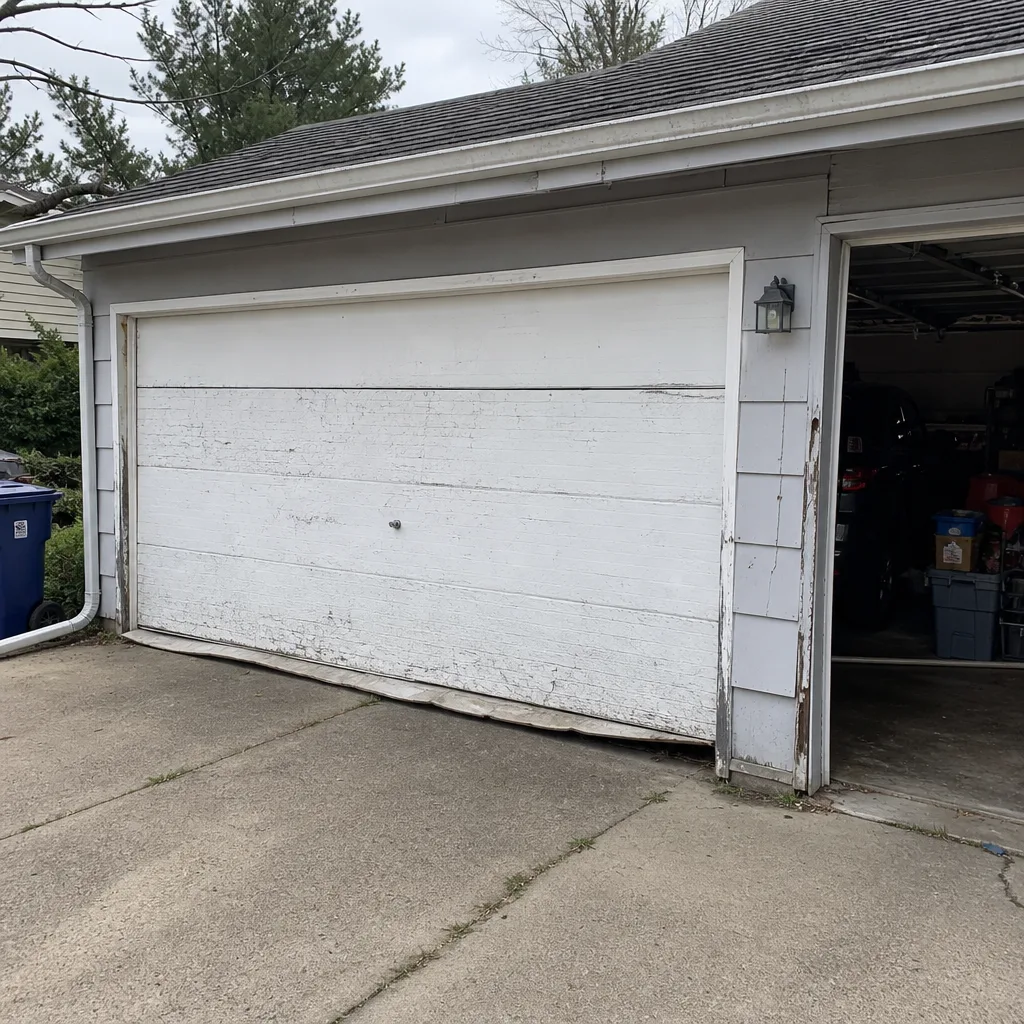 Before
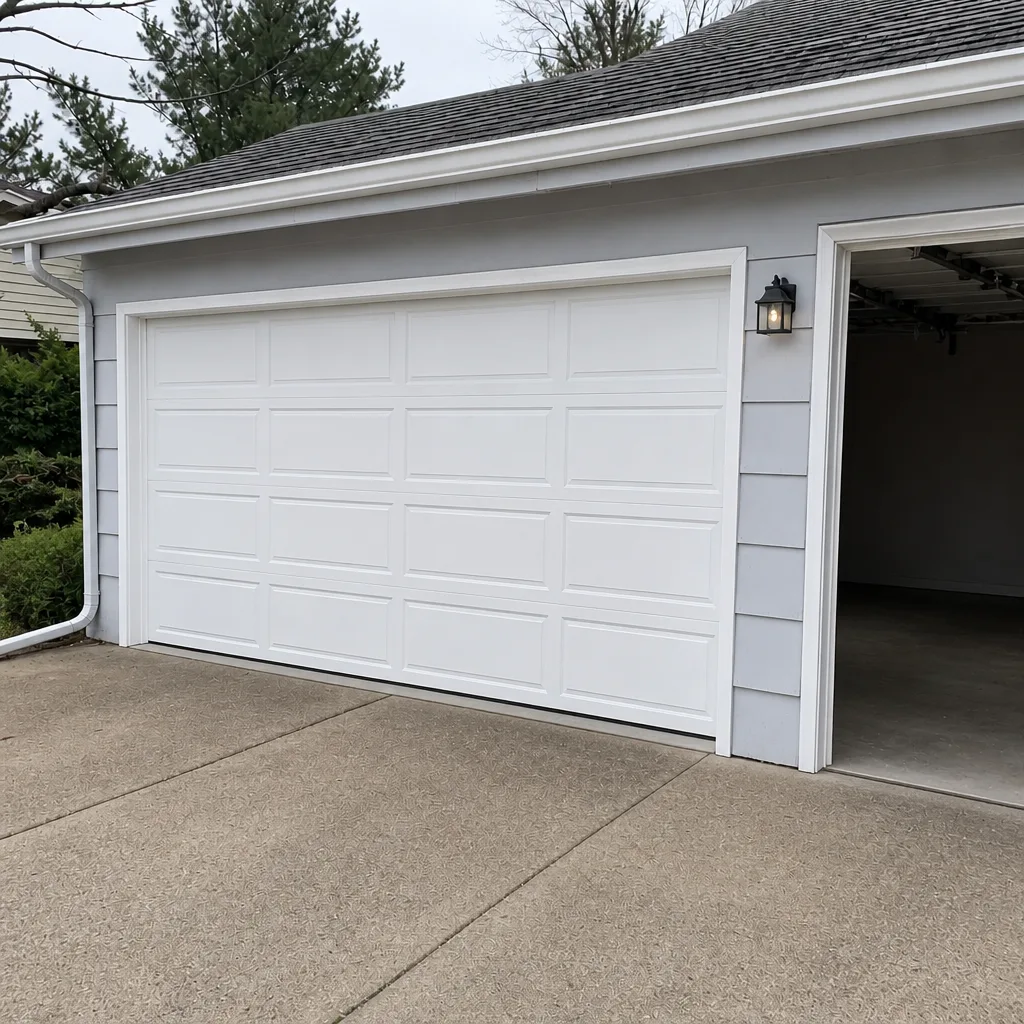 After
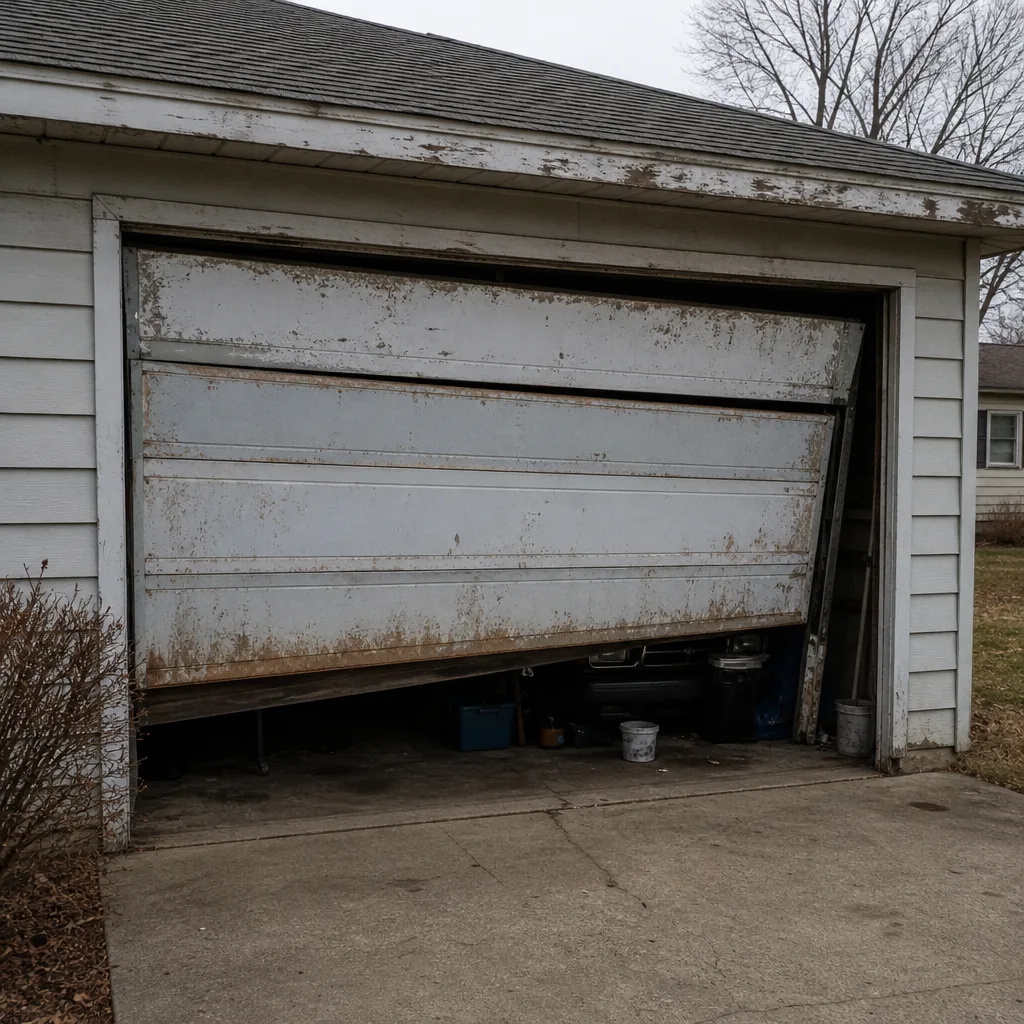 Before
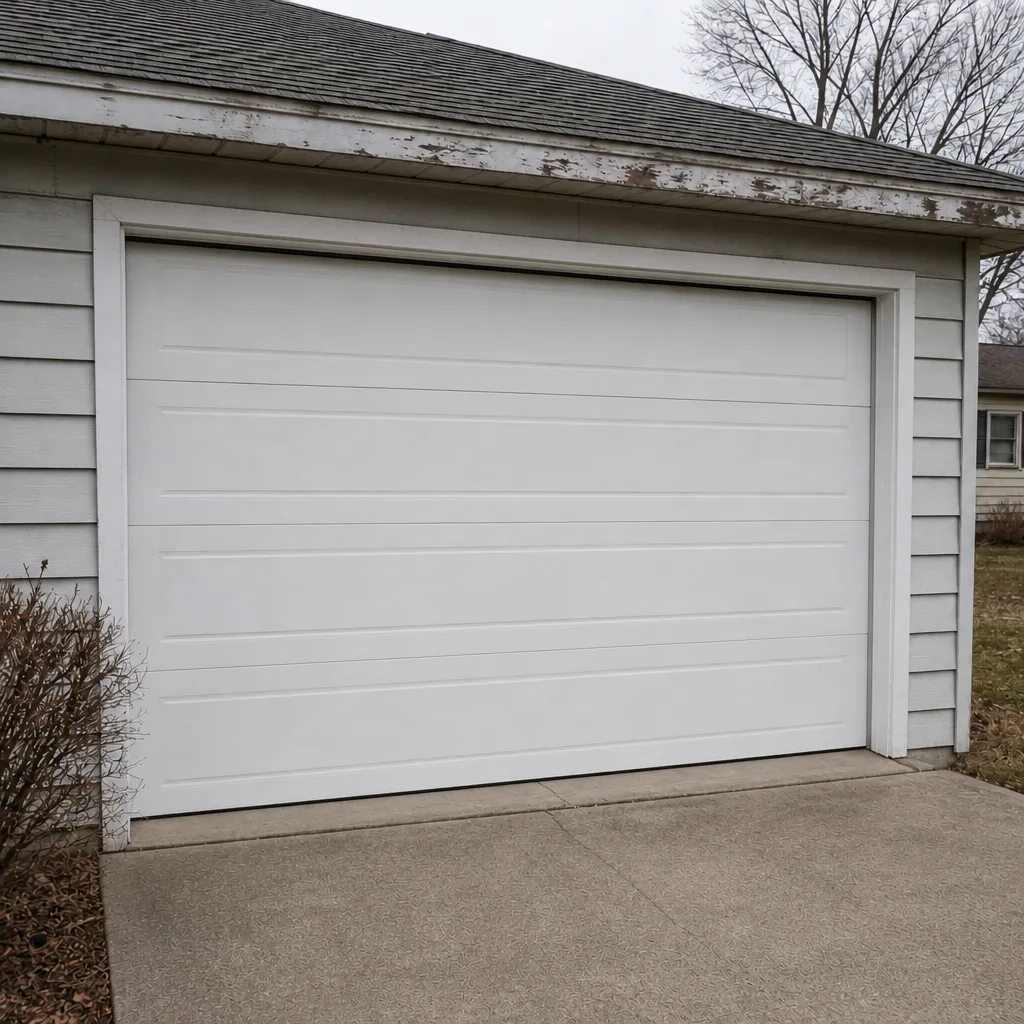 After
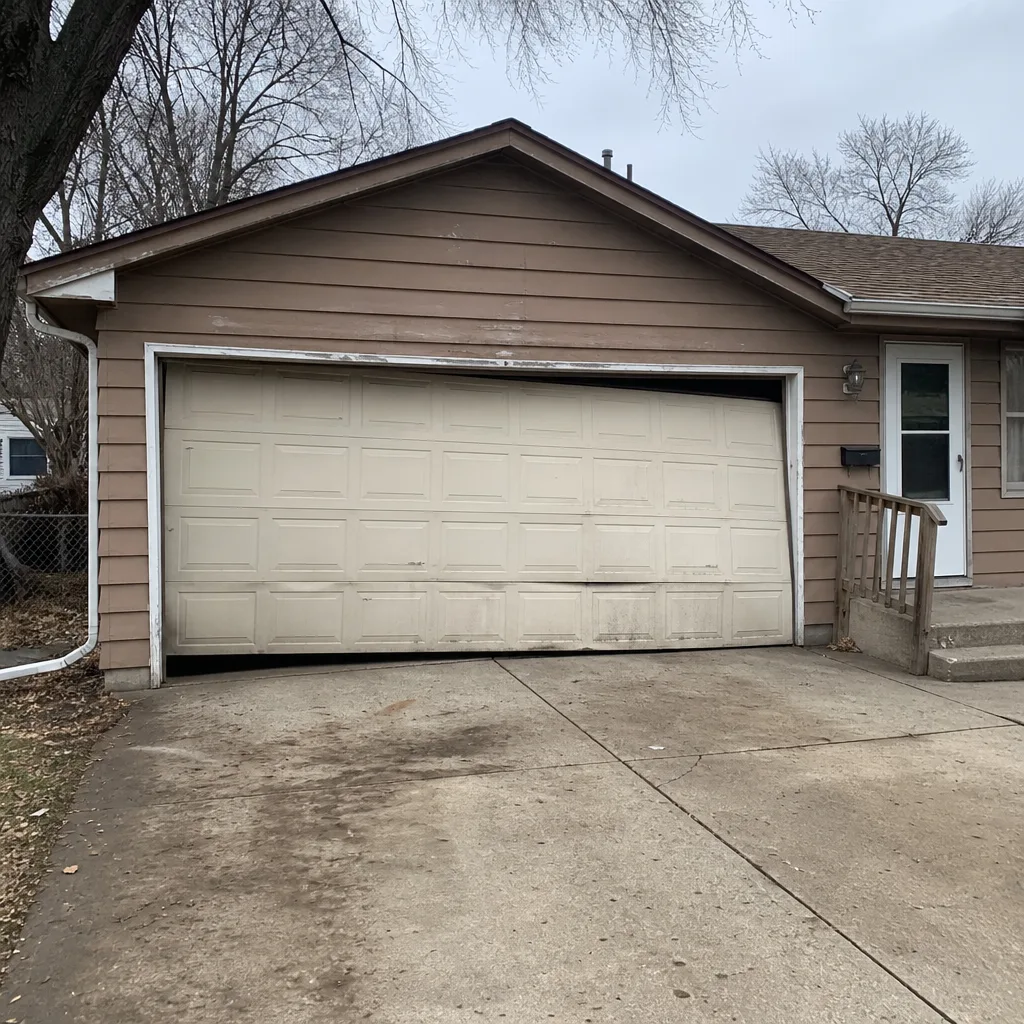 Before
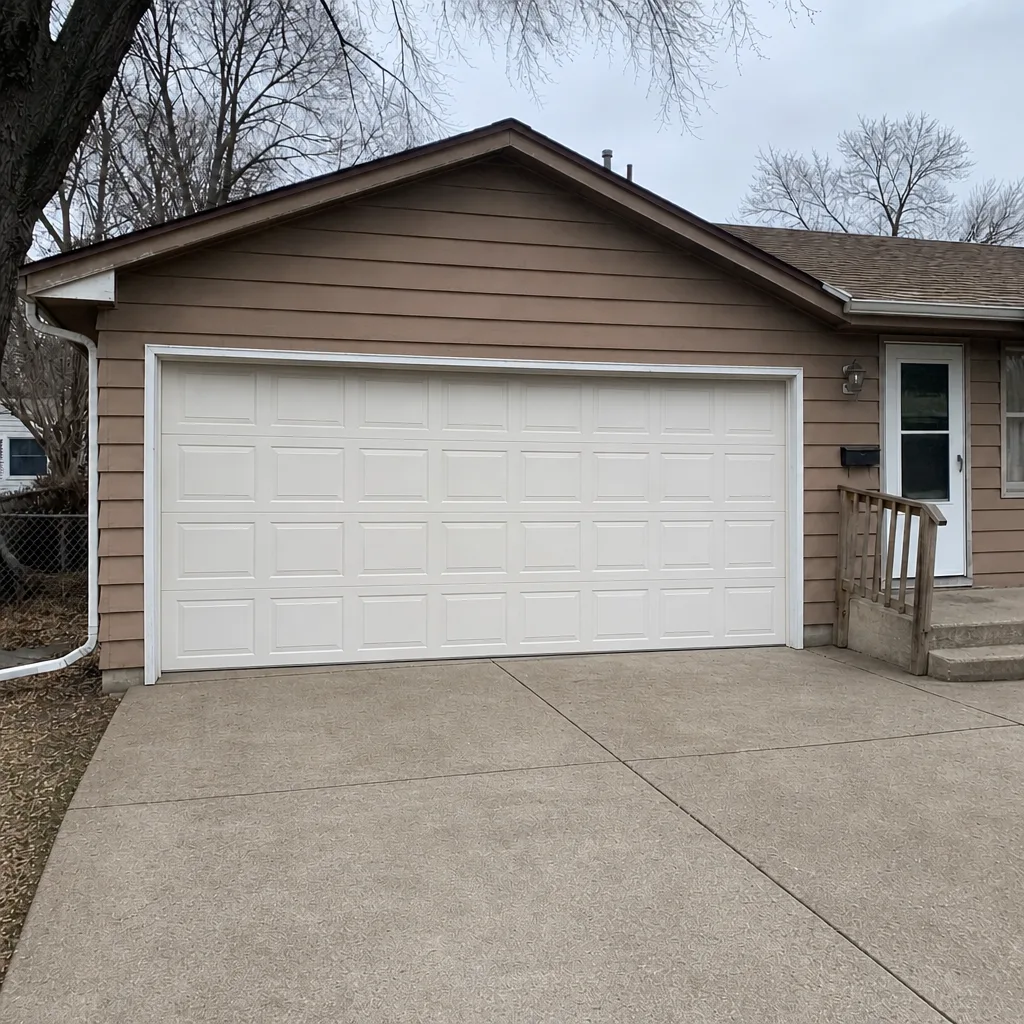 After
When to Call a Professional
Call a professional when the task involves a torsion or extension spring, a cable, or the bottom bracket – no exceptions. Call when a door is stuck open or stuck closed and you can’t safely brace it. Call when an opener is behaving inconsistently and the batteries and sensors are ruled out. Call when a door has visible structural damage or a panel has separated. Call when you don’t know where to start and want a diagnosis instead of a guess. All of these are the situations where experience shortens the job and reduces the likelihood of buying the wrong parts. Garage Door Repair Mac-Groveland offers free estimates in Mac-Groveland – call (833) 586-4558. Our technicians have up to 11 years of experience, and they’ll tell you honestly whether a repair or a replacement is the better answer.
Frequently Asked Questions
You shouldn’t. A garage door spring is under enough stored tension to cause serious injury if released incorrectly, and winding a spring requires specific tools and technique. Even with research, the failure mode is a sudden release with no recovery. Call us for spring work – it’s one of our named specialties.
Sort the task into three buckets: maintenance (lubrication, seals, batteries, sensor alignment) is safe; adjustment and roller or panel work is possible with tools and research; and anything involving springs, cables, or the bottom bracket is professional-only. If you’re unsure which bucket you’re in, that’s a sign to call.
It can. Manufacturer and installer warranties often exclude homeowner-performed work on springs, cables, and internal opener components like control boards. Maintenance tasks – lubrication, seals, batteries, remote programming – are generally unrestricted. Check your door’s and opener’s warranty documents before starting.
Emergency pricing is set per job by the written estimate, which is free and agreed before any work starts. We answer 24/7 and dispatch from 7am to 7pm Sunday through Friday. Call (833) 586-4558 for a free estimate on an emergency repair.
Yes, same-day service is available for emergency repairs. A door stuck open overnight is a security and weather concern, especially in Mac-Groveland winters, and we treat it as urgent. Call (833) 586-4558. We answer 24/7. Fast dispatch from 7am to 7pm.
We work on LiftMaster, Chamberlain, Genie, Clopay, Amarr, Wayne Dalton, Craftsman, and Raynor equipment. That covers virtually any brand a Mac-Groveland home is likely to have. Call (833) 586-4558 for a free estimate on repair or replacement.
The Bottom Line
The DIY-vs-pro question is really a question about mechanical risk. If a task stores energy or puts a cable under load, it’s a professional job, and that’s not a judgment about your ability. If it’s cleaning, sealing, lubrication, batteries, or sensor alignment, do it yourself and save the money. The middle tier – track work, rollers, panels, opener belts – depends on whether you have the tools and the manual skills, and whether the warranty language will bite you later if the job goes sideways. In Mac-Groveland, cold winters add real strain to doors and openers, which makes basic upkeep more valuable and DIY spring work more tempting and more dangerous. The honest line is the one that keeps you safe first and saves you money second.
Written by the team at Garage Door Repair Mac-Groveland.
READY TO STOP GUESSING AND GET A FIXED ANSWER? CALL (833) 586-4558 FOR A FREE ESTIMATE FROM GARAGE DOOR REPAIR MAC-GROVELAND. OUR TECHNICIANS HAVE UP TO 11 YEARS OF EXPERIENCE, AND WE WORK ON THE BRANDS YOUR HOME ACTUALLY HAS. WE ANSWER 24/7. FAST DISPATCH FROM 7AM TO 7PM, SUNDAY THROUGH FRIDAY.