
Last updated November 21, 2026
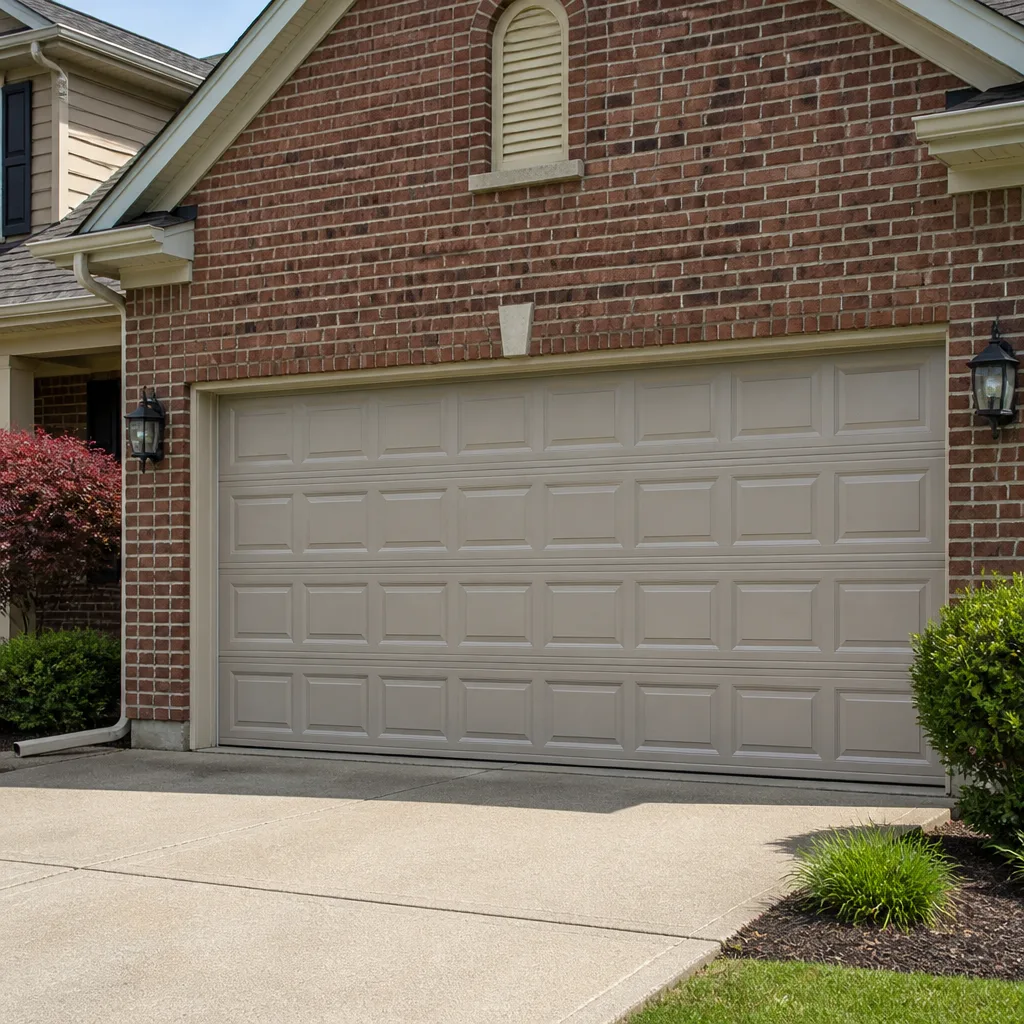 Raised-panel steel
 Carriage house
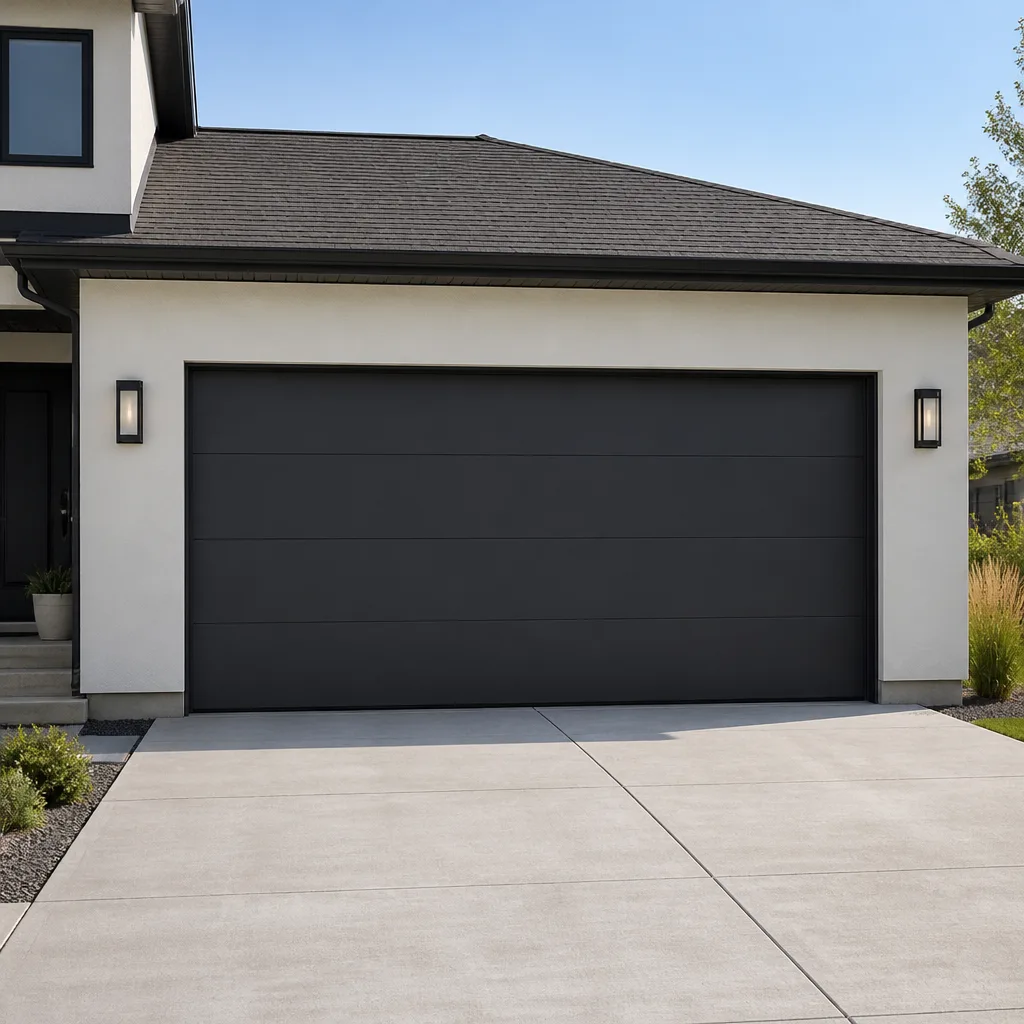 Modern flush
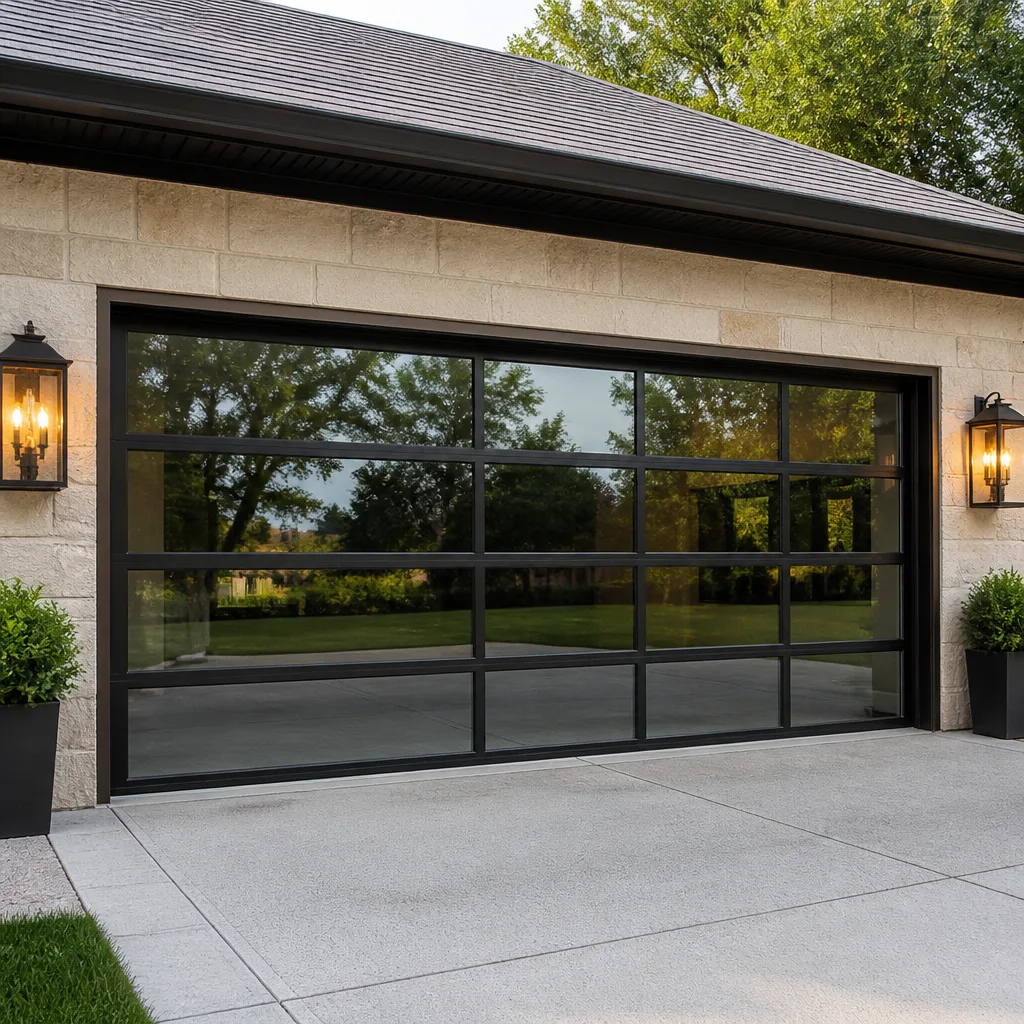 Full-view glass
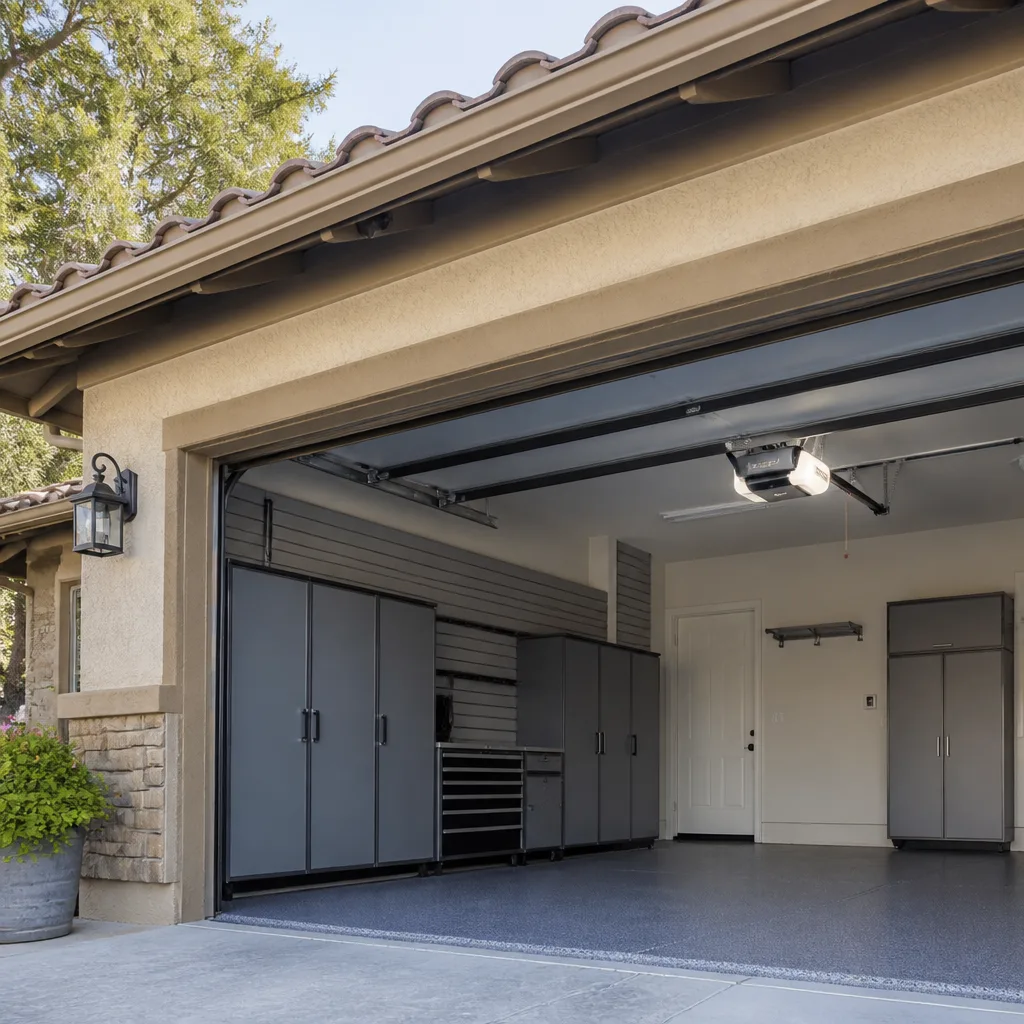 LiftMaster openers
 Chamberlain openers
Full 25-point door and opener safety check with every visit - springs, cables, rollers, tracks, and your LiftMaster or Chamberlain opener included
You get a price before we start. It does not change when the pro arrives.
Get your free estimateSeasonal Garage Door Care for Mac-Groveland: Year-Round Homeowner’s Guide
Most garage door advice tells you to “check it twice a year” and leaves it there, which is a bit like telling someone in Minnesota to “dress for the weather.” The useful version of that advice is knowing exactly what breaks in October, what breaks in March, and what quietly wears out in July. Garage doors in Mac-Groveland don’t fail randomly. They fail on a schedule set by the freeze-thaw cycle, the summer humidity, and the way an attached garage sits under a hot attic. This guide walks through each season, the parts that take the hit, and the 15-minute routine that keeps you ahead of all of it.
Styles & brands we work with
- Raised-panel steel
- Carriage house
- Modern flush
- Full-view glass
- LiftMaster openers
- Chamberlain openers
Quick Answer
Seasonal garage door care in Mac-Groveland means matching maintenance to the local climate calendar: inspect and replace weatherstripping and the bottom seal before the first hard freeze, swap to cold-rated lubricant in fall, clear ice and check opener sensitivity in winter, re-tension and recalibrate after the spring thaw, and watch torsion spring tension and attic heat through summer. A 15-minute walkthrough each season catches most of these before they turn into a repair.
Table of Contents
- Fall: The Prep That Decides Your Winter
- Winter: Why Doors Freeze to the Floor
- Spring: After the Thaw, Check the Panels
- Summer: Heat, Torsion Springs, and Attic Temperature
- Seasonal Task Calendar at a Glance
- The 15-Minute Seasonal Walkthrough
- Common Mistakes to Avoid
- When to Call a Professional
- Frequently Asked Questions
Fall: The Prep That Decides Your Winter
Minnesota garage doors fail at three predictable moments: the first hard freeze, the first thaw of March, and the first stretch of 90-degree July heat. Each one stresses a different component, and each one is largely avoidable with roughly 20 minutes of attention ahead of time. Fall is where you get the most return on that time, because almost every winter failure in Mac-Groveland traces back to something that was already wearing out in September.
Start with the bottom seal, the rubber strip that runs along the base of the door. This is the single most overlooked part on any garage door in Mac-Groveland, and it does two jobs: it seals out cold air and, more importantly, it keeps meltwater and slush from pooling under the door and freezing it to the concrete. A seal that’s cracked, flattened, or torn lets water in, and that water becomes ice overnight. If the seal feels stiff, has visible cracks, or doesn’t make even contact with the floor across its full width, replace it before the cold settles in.
Next, inspect the weatherstripping around the sides and top of the frame. Look for gaps, peeling, or hardened material. When weatherstripping fails, cold air and moisture get behind the door and into the frame, which is how you end up with a door that sticks or binds on one side when temperatures drop.
The Fall Lubricant Swap
Not all lubricant behaves the same in cold weather. A general-purpose product that works fine in July can thicken and drag in January, which adds load to the opener. Before the first freeze, clean the hinges, rollers, and tracks and apply a cold-rated lubricant made for low temperatures. Wipe the tracks down with a damp cloth first; grit mixed with fresh lubricant is worse than no lubricant at all. This is also the right time to look at the springs, which we cover under garage door spring repair, and never touch a torsion spring yourself: those carry serious stored energy and are the most dangerous component on the whole door.
Winter: Why Doors Freeze to the Floor
A garage door freezes to the floor when meltwater from the car or the driveway runs under the bottom seal and refreezes overnight. The ice bonds the seal to the concrete, and when the opener pulls the door up in the morning, it’s fighting that bond. The door either refuses to move or the opener strains against it, and both outcomes are hard on the motor and the drive system. The fix is preventative: a good bottom seal and a cleared apron in front of the door go a long way toward keeping the door from ever bonding to the floor.
If a door does freeze down, the temptation is to hit the opener button again and again. Don’t. Each attempt puts more load on the motor and the drive gear, and on a chain or belt drive that load adds up. Free the door by hand first (disengaging the opener if your door has a manual release, which most do) and clear the ice from the base before running the door. If the door is already stuck and a car is trapped inside, that’s an emergency call in our book, and it’s the kind of situation we handle through Garage Door Repair Mac-Groveland.
Winter Opener Checks
Cold weather also changes how the opener behaves. Two things worth checking once the deep cold arrives:
- Safety reversal. Put a 2×4 flat on the floor under the door and close it. The door should reverse on contact. Cold-hardened seals and stiff mechanism can throw this off, and it’s the most important safety function on the door.
- Force and travel limits. If the door reverses before it reaches the floor, or stops short of full close, the opener’s force setting may be struggling with the cold. Don’t crank the force setting up to compensate, since that masks a real mechanical drag. Have the door checked instead.
On a LiftMaster or Chamberlain opener, the force and travel adjustments are usually accessible but easy to mis-set. If you’re not sure what you’re adjusting, that’s a good reason to bring someone in for garage door opener repair rather than guess.
Spring: After the Thaw, Check the Panels
The freeze-thaw cycle is rough on wood-framed openings and wood door panels. Water works into seams and grain, freezes, expands, then thaws and leaves the panel slightly different than it was. By March, a lot of Mac-Groveland doors have panels that sit a little out of square, tracks that have shifted a fraction, and hinges that have loosened. None of this announces itself: it shows up as a door that closes unevenly, a gap at one corner, or a door that binds a few inches before the floor.
Walk the door down slowly by hand and watch the gap at the floor and the sides. If the gap is uneven, look at the tracks and rollers for wear, and check hinges for play. On a wood door, look at the bottom rail for swelling, soft spots, or paint failure, since that’s where water collects first.
Recalibrating Travel Limits
After wood swelling and the general shifting that comes with a Minnesota spring, opener travel limits often need recalibration. Travel limits tell the opener where “fully open” and “fully closed” are, and if the door’s resting position has changed even a little, the opener is now running past or short of its target. On most openers, that’s a matter of re-setting the open and close limits through the control panel. Set them so the door meets the floor firmly without the opener straining, and so it stops just short of the header on the way up.
Spring tension inspection is also a spring task. You can check for even door balance (lift the door by hand about halfway, and it should stay put) and listen for unusual noise, but leave the actual tension adjustment alone. Torsion springs are under extreme tension and require proper tools and training. That’s the piece of spring work we handle with our named spring specialty, and it’s the repair we most often see botched by people who underestimated it.
Summer: Heat, Torsion Springs, and Attic Temperature
Torsion springs are metal under load, and metal relaxes with heat. Through a Mac-Groveland July, garage temperatures can climb well above outdoor temperatures, and the springs above the door feel that. A torsion spring that was properly balanced in April can be slightly under-tensioned by August, which shows up as a door that feels heavy when you lift it by hand, an opener that works harder to open, or a door that creeps down a few inches after opening.
The attic above an attached garage is the second summer factor. High attic temperatures radiate down into the garage, and the opener motor, mounted at the ceiling, sits in that heat. A motor working in a hot ceiling space runs hotter than one in a cool one, and over seasons that shortens its life. It’s not something most homeowners can change, but it’s a reason to keep the opener’s moving parts clean and lubricated, and to notice when the motor seems to be straining on a hot day.
Summer Maintenance Shortlist
- Hand-balance check. Lift the door halfway by hand and let go. It should hold, not fall or rise. If it does either, the spring tension needs attention, and that’s a job for a trained technician.
- Listen. A door that’s been quiet all spring and starts grinding or squeaking in the heat is telling you about a dry hinge or a worn roller.
- Check the opener’s reversal test again. Summer heat can affect the sensitivity calibration.
- Note opener strain. If a LiftMaster or Chamberlain opener takes noticeably longer or sounds labored on a hot afternoon, have it looked at before it fails.
Summer is also the time most people notice cosmetic wear: paint fading, panels warping, or a door that just looks tired. If you’re weighing repair against replacement, our guidance on garage door installation walks through what’s involved in that decision, and we handle both ends of that spectrum so there’s no need for a second company.
Seasonal Task Calendar at a Glance
Here’s the whole year in one table. Any season, any task, and what typically happens if it’s skipped.
Mac-Groveland Garage Door Seasonal Checklist
- Early fall: Replace bottom seal if worn; inspect weatherstripping; swap to cold-rated lubricant; clean and lubricate hinges and rollers. Skip it and you’ll likely have a frozen door by the first hard freeze.
- Late fall: Check opener force, travel limits, and reverse function; clear the apron in front of the door. Skip it and winter mornings get unpredictable.
- Winter: Clear ice from the door base; re-run the safety reversal test; listen for opener strain. Skip it and a lot of strain goes onto the motor.
- Early spring: Inspect panels and bottom rail for swelling; check the floor gap for evenness; recalibrate travel limits. Skip it and the opener may run past or short of the floor all year.
- Late spring: Confirm spring balance by hand; check hinges and rollers; note noises. Skipping the balance check means a weakening spring gets loaded onto the opener.
- Summer: Re-check the reversal test; note opener strain in heat; check panel and paint condition. Skipping it means noticing problems only when they’ve already become repairs.
The 15-Minute Seasonal Walkthrough
The reason most garage door maintenance gets skipped isn’t laziness. It’s that “check your garage door” isn’t a task, it’s a category. Turn it into a fixed routine and it happens. The key is doing the same short sequence in the same order each season, so you notice what changed since last time rather than wandering around guessing.
Here’s the sequence we’d suggest, done once each season, top to bottom. Same order every time. It takes about 15 minutes.
- Look up. Stand inside the garage, close the door, and look at the springs, cables, and drums above the door. You’re not adjusting anything here. You’re looking for a broken spring, frayed cable, or a drum that’s shifted. If anything looks wrong, stop there and call a professional.
- Run the safety reversal test. 2×4 flat on the floor, close the door, watch it reverse. Confirm the door is making even contact with the floor all the way across.
- Walk the gaps. With the door down, check the bottom seal and the side and top weatherstripping for gaps, cracks, and hardness. Note anything visually off, especially before fall.
- Hand-balance. Disengage the opener, lift the door halfway, and confirm it holds. Re-engage the opener.
- Check the rollers and hinges. Look for loose screws, worn rollers, and dry-looking hinges. Wipe and lubricate if dry or noisy.
- Test the opener. Open and close once and listen. Any new grinding, squealing, or hesitation gets written down, even if the door still moves.
- Write the date. Note what you did and what you saw. That’s how you catch a part trending toward failure instead of discovering it after the fact.
Doing this on a fixed weekend each season (say, the first weekend of September, December, March, and June) makes it automatic. It’s also a good habit across different door brands, since the checks are the same whether you have a Craftsman opener at home or a Raynor door.
Common Mistakes to Avoid
- Lubricating with the wrong product. A warm-weather lubricant that works fine in July can drag in January, adding load to the opener. Use cold-rated lubricant for fall and winter.
- Adjusting spring tension by hand. Torsion and extension springs are under serious stored energy and require proper tools and training. A spring that lets go is a genuine injury risk, and this is the repair that goes wrong most often when it’s done without the right tools. There’s no safe DIY shortcut here.
- Forcing a frozen door with the opener. Repeatedly hitting the button on a bonded door strains the motor and drive system. Free the door by hand and clear the ice first.
- Cranking up the force setting to fix a drag. When the opener struggles, the impulse is to set the force higher. That masks the real problem, which is usually a dry hinge, a worn roller, or a loosened track, and it accelerates wear.
- Ignoring the bottom seal. It’s the cheapest part on the door and the one that decides whether you get winter ice under the door. Replace it before the freeze, not after.
- Skipping the post-thaw inspection. Wood swelling and track shifts after the thaw cause doors to bind and openers to run past their limits. Catch it in March, not midsummer.
- Assuming a twice-a-year check is enough. In a Mac-Groveland climate with sharp transitions, the fall and spring transitions are the ones that matter most. A single “check twice a year” reminder misses the specific parts that fail at each switch.
When to Call a Professional
Some garage door symptoms are DIY-appropriate (a loose hinge, a dry roller, a bottom seal replacement), and some aren’t. Call for a professional when you see a broken spring (the door may still move with the opener, which is temporary and risky), a frayed or visibly damaged cable, a door that binds or hangs unevenly despite lubrication, a motor that reverses mid-travel for no clear reason, or any new grinding or squealing that doesn’t go away after lubrication. If your car is trapped or the door is stuck open, call for emergency service: when it won’t open and you can’t wait, that’s exactly the call we take.
Garage Door Repair Mac-Groveland offers free estimates in Mac-Groveland. Call (833) 586-4558. We answer 24/7. Fast dispatch from 7am to 7pm, Sunday through Friday. Our technicians have up to 11 years of experience and work on the full set of brands you’re likely to have, including Craftsman, Raynor, LiftMaster, and Chamberlain, so you don’t need a second company when a repair turns into a replacement.
Frequently Asked Questions
Four times a year, roughly timed to the local climate: early fall before the freeze, late fall before the worst cold, early spring after the thaw, and midsummer. The transitions between seasons are where most failures in Mac-Groveland show up, so a walkthrough at each transition catches more than a single yearly check. The routine itself takes about 15 minutes. Call (833) 586-4558 for an exact quote if something turns up; estimates are free.
Meltwater runs under the bottom seal and refreezes overnight, bonding the rubber to the concrete. The fix starts before winter with a good bottom seal and a cleared apron in front of the door. If the door does freeze down, free it by hand and clear the ice before running the opener, since forcing it puts serious strain on the motor and drive system. Our garage door repair team can replace a worn seal before the freeze hits. Call (833) 586-4558 for a free estimate.
Heat relaxes the torsion spring, and a door that was balanced in April can be under-tensioned by midsummer. Lift the door by hand halfway and let go; if it drops or feels heavy, the spring needs attention. Spring adjustment is not a DIY job: torsion springs carry dangerous stored energy, and this is exactly what our trained spring technicians handle. Call (833) 586-4558. We answer 24/7. Fast dispatch from 7am to 7pm.
Often yes, if it’s a common slide-in or nail-on seal and the door is in good condition. It’s one of the more homeowner-friendly parts of the door. If the bottom rail is swollen, rusted, or damaged, have it looked at instead. Our technicians work on all the major door brands (Clopay, Amarr, Wayne Dalton, Raynor among them), so a stuck seal is a quick fix. Call (833) 586-4558 for a free estimate.
That’s a common pattern. Cold-thickened lubricant and a stiff, cold-hardened door increase drag, and the opener’s motor works harder than usual. If something in the door mechanism was already marginal, the cold snap is what pushes it over the edge. A seasonal check in fall, including a cold-rated lubricant swap, is the best way to prevent it. If it’s already failed, call (833) 586-4558. We answer 24/7, with fast dispatch from 7am to 7pm, Sunday through Friday.
High attic temperatures above an attached garage radiate into the garage, and an opener motor mounted at the ceiling works in that heat. It runs hotter than an opener in a cool space, and over seasons that adds up. The fix isn’t dramatic: keep the moving parts clean and lubricated, and pay attention if the motor sounds labored on a hot day. If you notice a change, call (833) 586-4558. Estimates are free.
Fall is a fine time to schedule a replacement, and it’s worth knowing that a repair that turns into a replacement is still one call with us. We handle the full repair-to-replacement range, measurement, ordering, and installation under one service. Timing depends on measure and lead times, so start ahead of the freeze rather than after. Call (833) 586-4558 for a free estimate.
The Bottom Line
Garage door care in Mac-Groveland works best when it’s timed to the season that’s about to break something: cold-rated lubricant and a fresh bottom seal before the freeze, ice and opener checks through winter, post-thaw panel and travel-limit recalibration in March, and a spring balance check through summer heat. The 15-minute walkthrough is the whole system: same order, each season, written down. It catches most failures before they become repairs. When something’s outside that routine, from a broken spring to a door that won’t open at all, that’s the call we take.
For a free estimate on any repair, replacement, or spring job, call (833) 586-4558. We answer 24/7, with fast dispatch from 7am to 7pm, Sunday through Friday.
Written by the team at Garage Door Repair Mac-Groveland.
See the difference
 Before
 After
 Before
 After
 Before
 After