
Last updated November 21, 2026
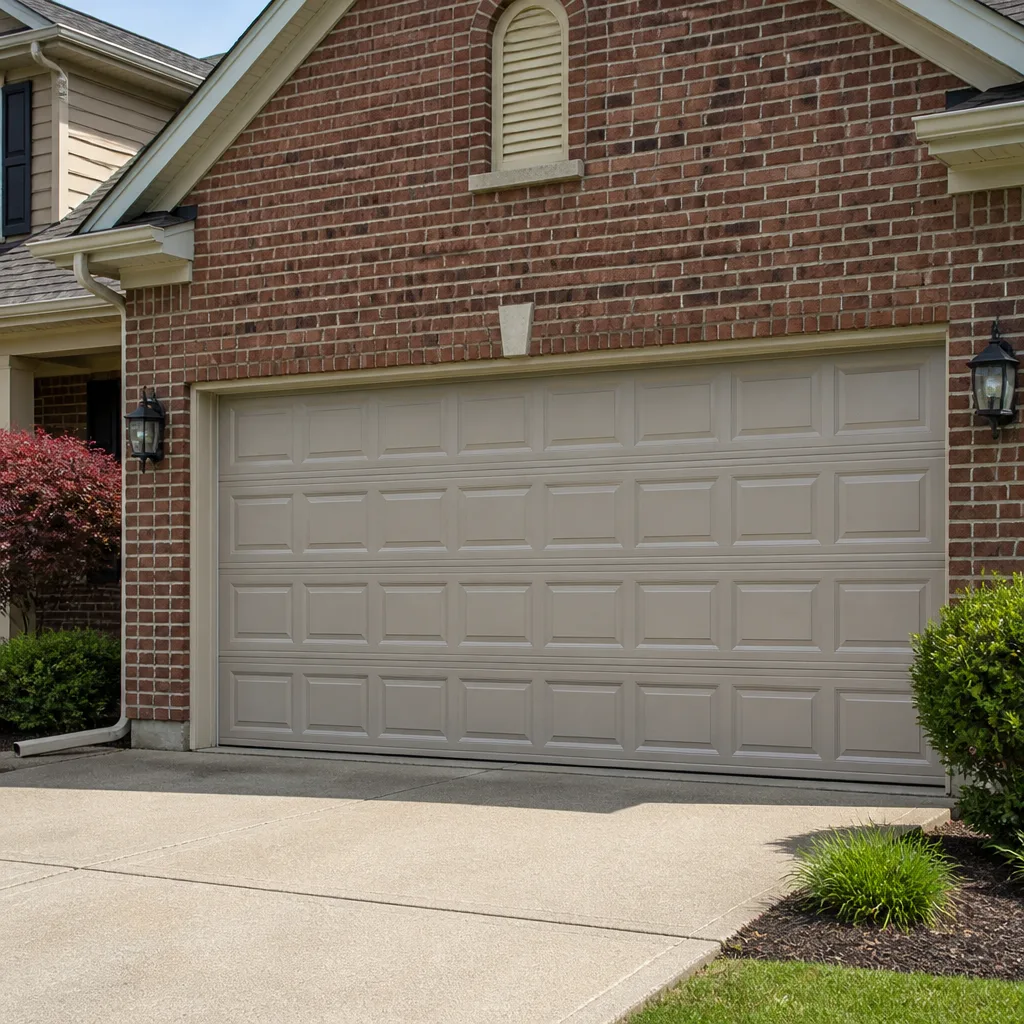 Raised-panel steel
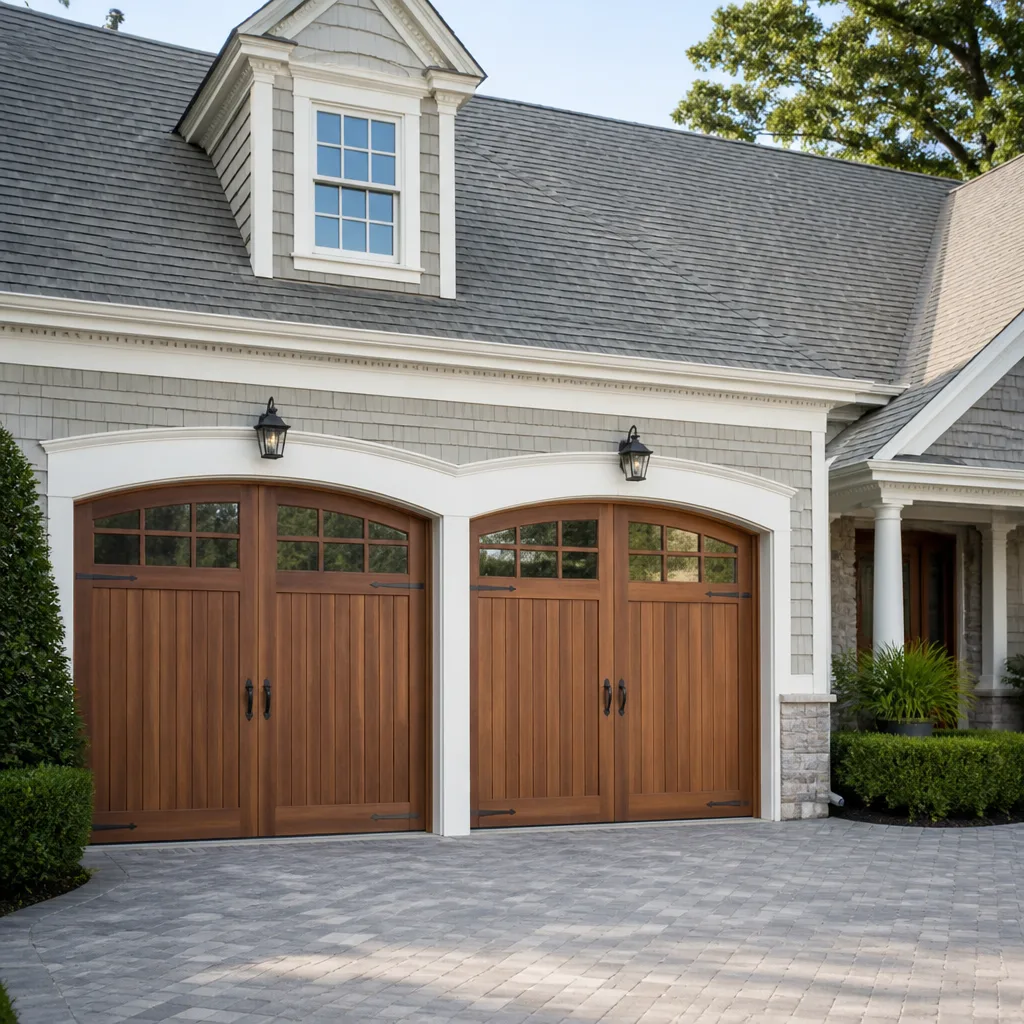 Carriage house
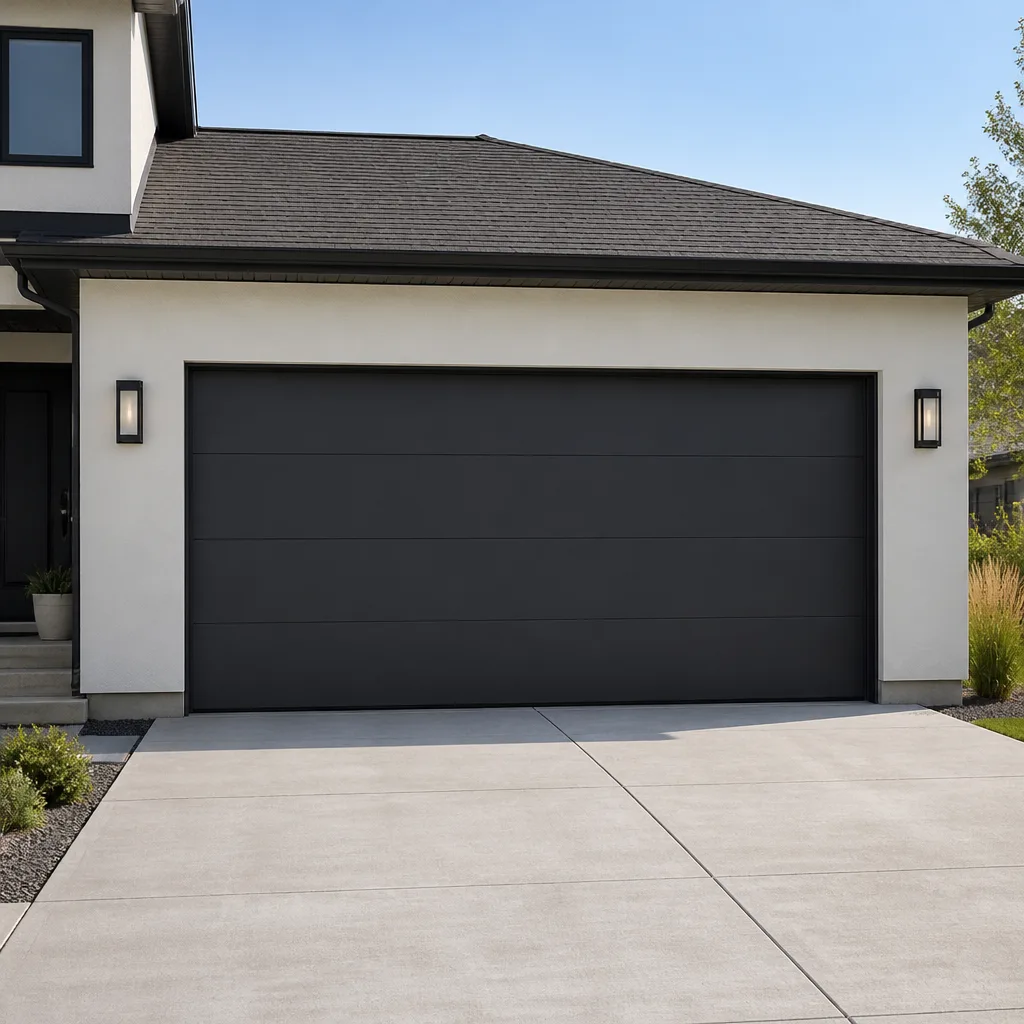 Modern flush
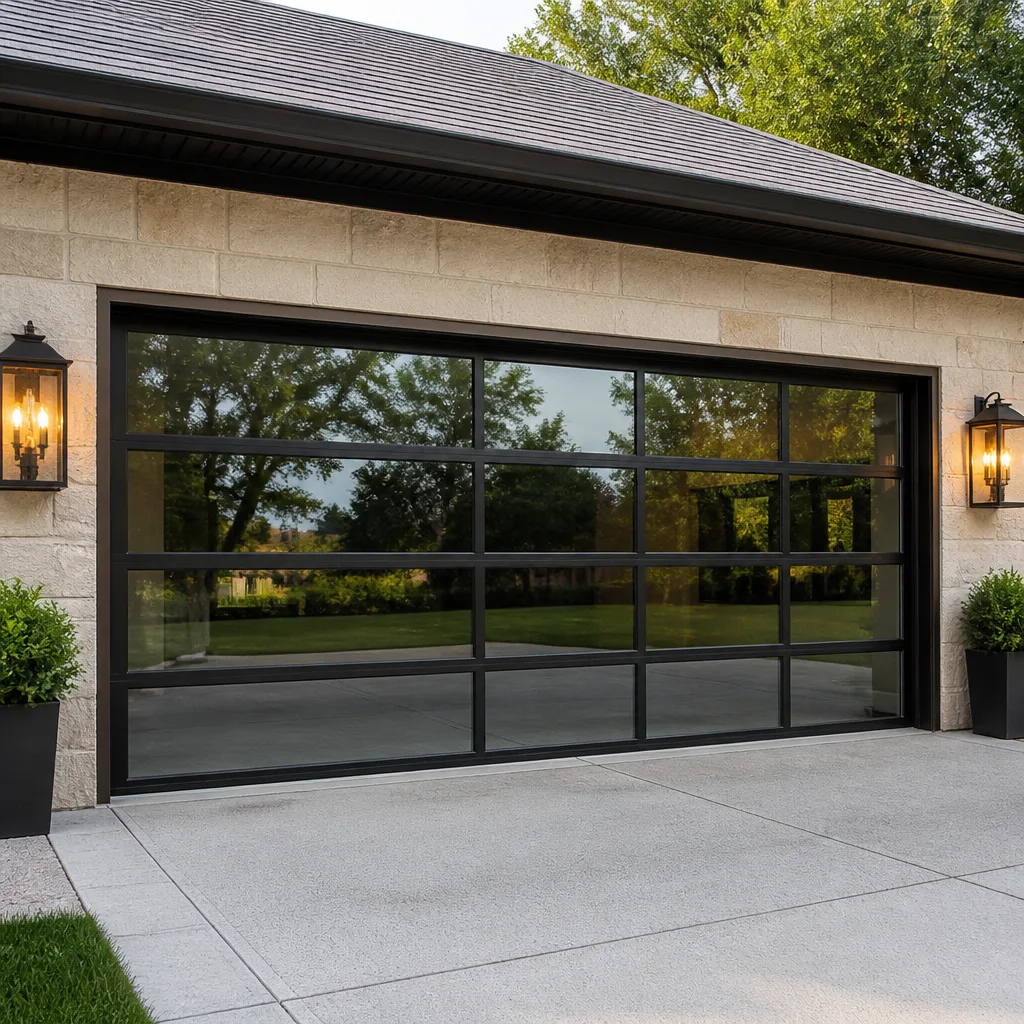 Full-view glass
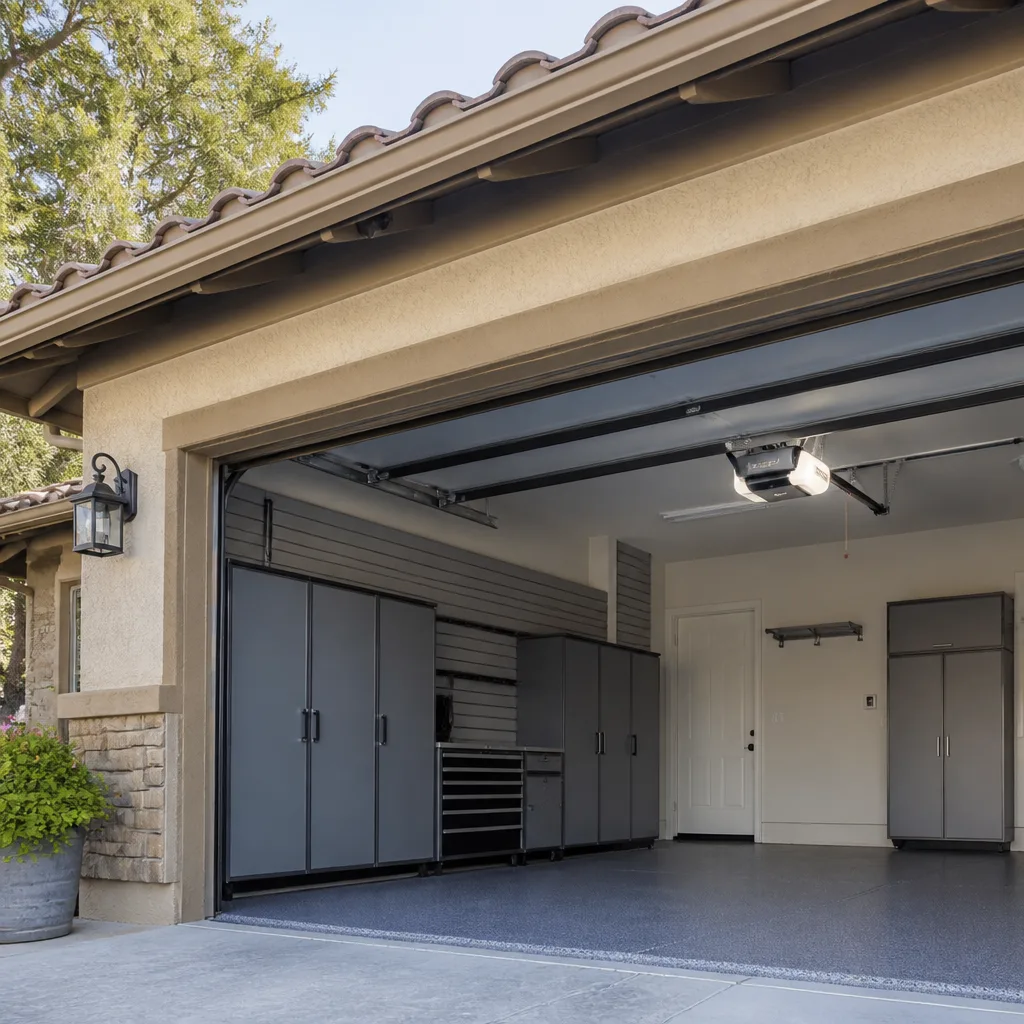 LiftMaster openers
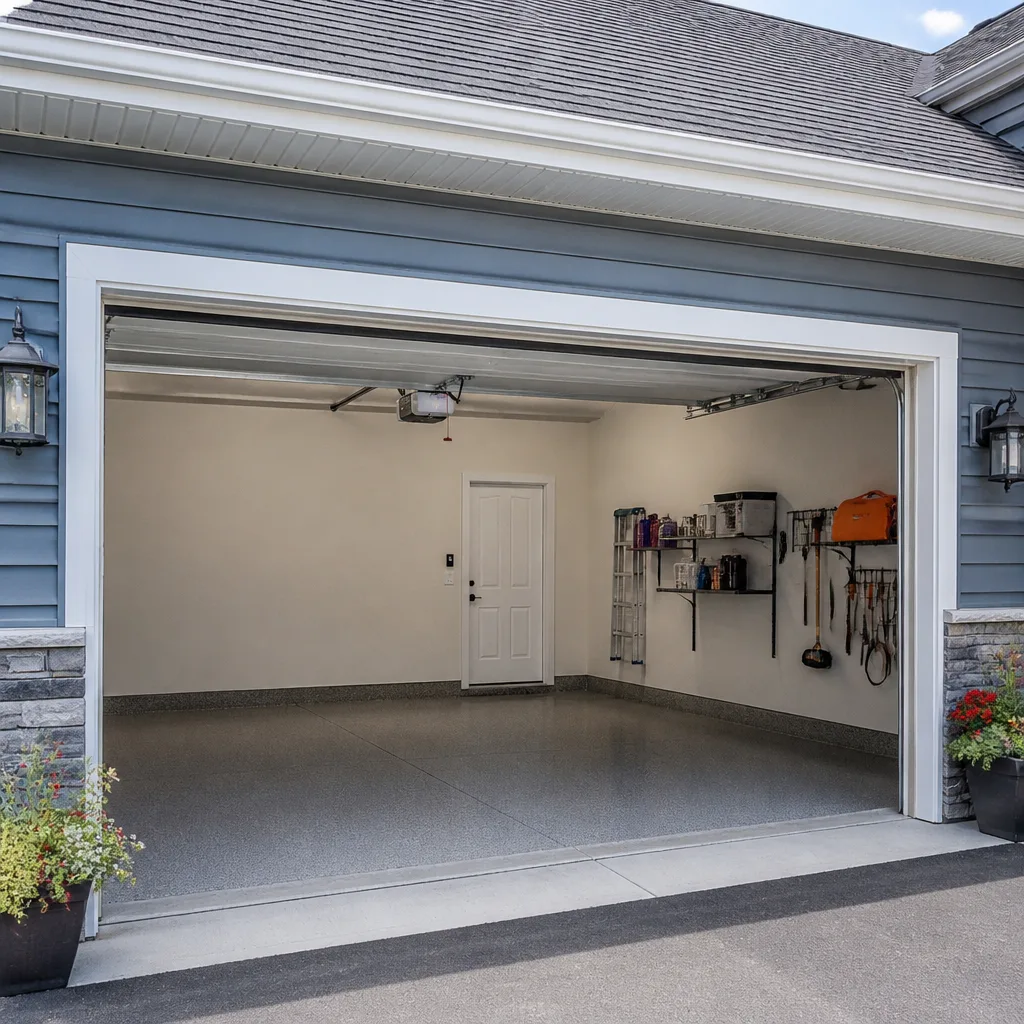 Chamberlain openers
Full 25-point door and opener safety check with every visit - springs, cables, rollers, tracks, and your LiftMaster or Chamberlain opener included
You get a price before we start. It does not change when the pro arrives.
Get your free estimateHow to Hire a Garage Door Contractor in Mac-Groveland: A Step-by-Step Guide
A garage door spring holds 150 – 200 lbs of stored tension at rest. That stored energy is what makes a garage door feel weightless when you lift it, and it’s also why the work is not a general handyman task. Someone who “does doors on the side” has the same access to your garage that a trained technician does. The difference is what happens when something goes wrong mid-job: whether the door is properly braced, whether the right spring is matched to the door weight, and whether the person in your garage carries insurance for exactly this kind of work. This guide walks Mac-Groveland homeowners through the questions, comparisons and red flags that separate a real garage door specialist from a casual hire.
Quick Answer
Hiring a garage door contractor in Mac-Groveland comes down to three checks: confirm they’re insured and can give you a written quote before any work begins, verify their experience is specific to garage doors and your brand of opener, and ask exactly which springs, parts and labor terms are covered in writing. If any of those three checks fails, walk away. The cheapest quote is rarely the safest one on a system under spring tension.
Styles & brands we work with
- Raised-panel steel
- Carriage house
- Modern flush
- Full-view glass
- LiftMaster openers
- Chamberlain openers
Table of Contents
- Why a Garage Door Specialist Beats a Generalist
- What to Ask About Insurance Before Anyone Touches the Door
- How to Compare Quotes That Look Nothing Alike
- Red Flags Specific to the Garage Door Industry
- What “Certified” Actually Means for Brand-Specific Work
- What a Legitimate Estimate Includes (and What Gets Added Later)
- What’s Different About Hiring in Mac-Groveland
- Step-by-Step: The Hiring Process From First Call to Final Test
Why a Garage Door Specialist Beats a Generalist
Garage doors are one of the few home systems that combine heavy components, stored mechanical energy and daily use. A door that opens and closes four times a day in a busy Mac-Groveland household cycles thousands of times a year. Springs fatigue. Cables stretch. Rollers wear flat. A generalist handyman may be able to adjust a track or lubricate a hinge, but the moment the work involves springs, cables, or opener logic boards, the skill set required changes completely.
We work on your brand, which matters more than most homeowners realize. LiftMaster openers use different logic board architectures than Craftsman units. Wayne Dalton torsion systems sometimes use proprietary TorqueMaster springs that behave differently than standard torsion. A technician who’s seen your equipment before diagnoses faster and stocks the right part the first time. Here’s what a specialist brings that a generalist usually can’t:
- Spring repair done right. Torsion and extension spring work requires proper winding bars, correct sizing and disciplined safety procedure. Mishandled springs are the most common serious garage door injury.
- Brand-specific opener diagnostics. Knowing whether a LiftMaster or a Genie error code means a bad logic board, a misaligned safety sensor or a stripped gear saves you a return visit.
- Full-spectrum capability. From a stuck panel to a full new door, the same technician can diagnose, repair and quote a replacement if the repair turns into one. You don’t need a second company halfway through.
- Same visit, same technician. Diagnosis, repair, parts and installation under one visit means fewer fingers in the pie and one point of accountability.
For Mac-Groveland homeowners with a branded system already in place, this continuity is worth more than a slightly lower hourly rate from someone improvising on the job. If you already know your door needs work and want to skip the comparison phase, our garage door repair page covers what a typical service visit involves.
What to Ask About Insurance Before Anyone Touches the Door
Minnesota doesn’t license garage door contractors under a single statewide trade license the way it does electricians or plumbers. That means the burden falls on you to verify that the person in your garage carries general liability insurance and, if they have employees, workers’ compensation coverage. Both matter: liability covers damage to your property or door, and workers’ comp covers the technician if they’re injured on your property. Without workers’ comp, an injury on your job could come back to your homeowner’s policy.
Ask these questions on the phone before you book a visit. The answers should be specific and immediate:
- “Can you send me a copy of your certificate of insurance before the visit?” A real contractor will have this on hand and send it without hesitation. If they deflect or say “we’ll bring it,” that’s a soft flag.
- “Do you carry workers’ compensation for your employees?” If they say they’re a solo operator, that’s fine, but they should still carry liability. If they say they have “a couple of guys” and no comp, that’s a hard stop.
- “Will the person doing the work be your employee or a subcontractor?” Some operations dispatch unknown subcontractors. You want to know who’s coming.
- “Do you provide a written quote before work starts?” This is non-negotiable. A verbal estimate on a garage door repair is not a quote.
Any of these questions that produce a vague answer, a change of subject or an offer to “work something out” should end the conversation. A legitimate operator will be glad you asked. If you’re comparing us against another company, we’d rather you hold us to the same standard. Our team can confirm insurance documentation and provide a written estimate before scheduling – call (833) 586-4558 to start that conversation.
How to Compare Quotes That Look Nothing Alike
Two quotes for the same “spring replacement” can differ by hundreds of dollars and still both be technically honest, because they may not be quoting the same job. One company might quote a single spring; another quotes a matched pair. One might include labor; another lists parts and labor separately. One might specify a 10,000-cycle spring; another a 25,000-cycle spring. Until you normalize the specs, you’re comparing apples to a bag of oranges.
Here’s how to line them up. Ask each contractor to put these items on the written quote:
- Number of springs being replaced. Springs are usually replaced as a matched pair because they wear at the same rate. A quote for a single spring on a two-spring door is either a partial job or a misunderstanding.
- Spring type and cycle rating. Standard torsion, high-cycle torsion, or extension. If the contractor can’t tell you which one they’re installing, that’s a knowledge gap.
- Parts brand and part number where applicable. Craftsman and LiftMaster parts aren’t the same. Neither are generic imports. Ask.
- Labor warranty terms. A one-year labor warranty means something very different from a 90-day. Ask what happens if the same part fails again.
- What’s excluded. If the quote doesn’t say what’s not included, assume something is. Ask directly: “What would cause this price to go up?”
Once you’ve lined up the quotes side by side, the highest quote may actually be the better one if it includes a matched pair of high-cycle springs and a year of labor coverage. The lowest may be a single standard spring with a handshake warranty. Neither is automatically wrong – you just need to know what you’re buying. For spring-specific pricing structure in Mac-Groveland, our garage door spring repair page breaks it down.
Red Flags Specific to the Garage Door Industry
Some warning signs are universal – no written quote, pressure to decide on the spot, a truck with no company name on it. Others are specific to garage door work, where the combination of a mechanical system and an already-anxious homeowner creates room for shortcuts and upselling. Watch for these:
- Refusal to put the quote in writing. If a contractor won’t email or hand you a written quote before starting work, they’re either not organized or not intending to hold to the number. Both end the conversation.
- Vague labor warranty. “We stand behind our work” is not a warranty. A real labor warranty states a duration and what it covers.
- Upselling a new opener on every job. If your opener works and the repair is a spring, you don’t need a new opener. A good technician will tell you when the opener is fine. If they pitch replacement before they’ve diagnosed the actual problem, be skeptical.
- Quoting springs without checking the door weight. A properly sized spring is matched to the door. If the technician never weighs or measures the door, they may be installing a spring that will fail early or strain the opener.
- No mention of safety testing after the repair. After any spring or opener work, a technician should test the door’s balance, the auto-reverse function and the safety sensors. If they pack up and leave without testing, the job isn’t finished.
- “Cash only, today only” pricing. A price that changes the moment you ask for a receipt is a price you can’t verify.
- No company name on the quote or the truck. You want to know who has liability, and that means a name and an address on the paperwork.
Down in Mac-Groveland, where many homes have detached or attached garages that get heavy daily use, we’ve noticed that upselling tends to cluster around opener replacement. “Your opener is old, you need a new one” is a common line. Ask for the diagnosis in writing before you agree to anything.
What “Certified” Actually Means for Brand-Specific Work
Manufacturer certification is real, but the word gets tossed around loosely. In practice, a certified technician has completed factory training on a specific brand’s systems and knows the failure patterns, part numbers and diagnostic procedures for that equipment. It’s not a badge that means “we’re better than everyone”; it means “we’ve been trained on that manufacturer’s specific hardware.” That distinction matters when you own a brand with unusual architecture.
Consider a few examples from the eight brands we work on – LiftMaster, Chamberlain, Genie, Clopay, Amarr, Wayne Dalton, Craftsman and Raynor:
- LiftMaster and Chamberlain share a manufacturer parent and many internal platforms, but the commercial and consumer lines have different logic boards, remotes and safety systems. Knowing which is which saves time on diagnostics.
- Wayne Dalton uses TorqueMaster springs on many residential doors, which behave differently from standard torsion springs. A technician unfamiliar with the system may try to swap in the wrong spring entirely.
- Craftsman electric openers are everywhere, and many are 15+ years old with specific part compatibility requirements. Certified familiarity matters when parts are being sourced.
- Raynor doors use their own panel and hardware geometry, which changes the repair approach significantly.
To verify a certification isn’t just a logo on a website, ask for the specific training: “Which brands are your technicians factory-trained on, and can you tell me what that training covered?” A legitimate answer will name the brands and describe actual training content. A vague answer (“we work on all brands”) indicates a generalist, not a specialist. For a deeper look at how this plays out in repair visits, see our garage door opener repair page.
What a Legitimate Estimate Includes (and What Gets Added Later)
A legitimate garage door estimate is a scoping document, not a rough number. It should make clear what’s being fixed, what parts are involved and what terms protect you if something goes wrong. When a price seems low on the phone and grows after the truck is in the driveway, it’s usually because the original quote was missing line items that should have been there.
Here’s what should be on every written estimate before work begins:
- Specific diagnosis or scope. “Replace torsion spring” is too vague. “Replace one matched pair of standard torsion springs, balanced to door weight” is a scope.
- Parts and labor separated or bundled with both named. Either structure works, but you should be able to see what each piece costs.
- Total price and whether tax is included. Ask if the number is final or if tax is extra.
- Labor warranty duration and terms. Written, not verbal.
- Manufacturer warranty details where applicable. Many springs and openers carry a manufacturer warranty; the estimate should note whether it transfers to you.
- Explicit exclusions. “Additional track repair, if needed, quoted separately” is an honest exclusion. Without it, you’re exposed to surprise line items.
What gets added after the fact usually falls into three buckets: parts the technician discovers they need (which should have been diagnosed up front), safety upgrades not in the original scope (ballooning rollers, safety sensors), and labor for scope creep (a spring replacement that becomes a full balance check). A written scope prevents most of this. If you hear “once we’re in there, we’ll see” on the phone, ask for the estimate to reflect the most likely outcomes and the exclusion list for the rest.
We quote in writing before any work starts, and the price you agree to is the price. That’s the standard we’d urge you to hold any contractor to, including us. If you want to see what our estimate looks like, call (833) 586-4558 for a free estimate.
What’s Different About Hiring in Mac-Groveland
Mac-Groveland is a neighborhood where housing stock and season dictate garage door specifics in ways a generic national guide won’t capture. Many homes here have either a detached garage reached via an alley or an attached garage integrated into the main structure, and both present different access and structural considerations for repairs. Alleys mean restricted vehicle access for some addresses, which affects what equipment a contractor can bring. Attached garages sometimes share a wall or roofline with the home, which can matter for headroom calculations on a new installation.
Winter also shapes garage door wear in ways homeowners in warmer climates don’t see. A Minnesota winter drives thermal cycling through the door: cold nights, warm garages, snowmelt on the floor, then freezing again. That cycling stresses the seals along the bottom and sides, and it puts extra load on the torsion springs when the door is heavy with frozen moisture. Doors that saw heavy snow-load buildup on an attached roof may also develop panel or track irregularities over a few seasons.
Hiring locally in Mac-Groveland means preferring a technician who knows:
- How to access alley-facing garages without blocking neighbors – not every contractor thinks about this.
- Cold-weather spring behavior and how to test a door’s balance after a repair when temperatures are well below freezing.
- What Mac-Groveland permit requirements apply for a new door or significant structural work (ask the city’s building department for current rules – most cities require a permit for structural changes to a garage).
If you’re considering a full replacement rather than a repair, our garage door installation page covers the measurement and scheduling side. For a broader look at repair work in the area, the Garage Door Repair Mac-Groveland main page covers our core services.
Step-by-Step: The Hiring Process From First Call to Final Test
Here’s the sequence we recommend for a Mac-Groveland homeowner hiring garage door work, whether or not you end up calling us:
- Describe the problem in plain language. “The door won’t close – it goes down and comes back up” is a safety sensor problem most of the time. “Spring snapped, door won’t lift” is a spring repair. The clearer your description, the more accurate the initial estimate.
- Ask the insurance and certification questions on the phone. Cover the four questions in the insurance section above. If they don’t pass, don’t schedule.
- Request a written quote before scheduling. Some jobs need a visit first; others can be quoted from description. Either way, you should see a number in writing before anyone swings a tool.
- Compare quotes on a normalized spec sheet. Use the line items from the comparison section. Look at parts brands, spring type, cycle ratings and labor warranty terms.
- Confirm what happens if the scope changes. Ask the contractor to write down what they’d charge for a common scope expansion. A good answer is “we don’t know without seeing it, but we’ll call you before touching it and we won’t proceed without a verbal OK.”
- Watch the safety procedure on the day of the visit. A trained technician will brace the door, use proper winding bars on torsion springs, and test the door’s balance and safety reverse function before leaving. If they skip the testing, ask them to do it.
- Get the receipt and warranty paperwork before they leave. Verbal warranties aren’t recoverable later. Written ones are.
That process won’t guarantee a perfect result – no hiring process does – but it filters out most of the situations that go wrong. The questions you ask are the difference between a repair that lasts a decade and a return visit two months from now.
Common Mistakes to Avoid
- Choosing the cheapest quote on the phone without a written scope. The verbal number is the starting line, not the finish. Without a written scope, you have no leverage if the total changes in the driveway. Take the extra call to normalize two quotes before you choose.
- Assuming “handyman” is fine for spring work. Springs are the most mechanically dangerous component on the door, and there’s a reason they’re handled separately. Handyman work on tracks, rollers or hinges is fine; spring and cable work should go to a technician trained on it.
- Skipping the insurance question because it feels awkward. Awkward is cheaper than a property damage claim with no coverage. Ask before scheduling. It’s not rude – it’s what a professional contractor expects from a homeowner hiring for a nontrivial job.
- Not asking for the labor warranty in writing. A verbal “we’ll take care of you if something goes wrong” is worth precisely what’s written down, which is nothing. Ask for the duration in writing.
- Buying a new opener when the repair is a spring. In our experience across Mac-Groveland, openers get pitched on jobs that only needed spring or roller work. Ask for a written diagnosis before authorizing any replacement.
- Ignoring the door’s balance test after repair. A repaired door that isn’t rebalanced will fail again quickly. Ask the technician to show you the balance test – door at mid-travel, disconnected from the opener, and it stays put or moves slowly with one hand.
- Hiring without confirming parts availability. Some older Craftsman openers need parts that aren’t stocked everywhere. Asking up front whether they stock or can source the specific part saves a second visit.
See the difference
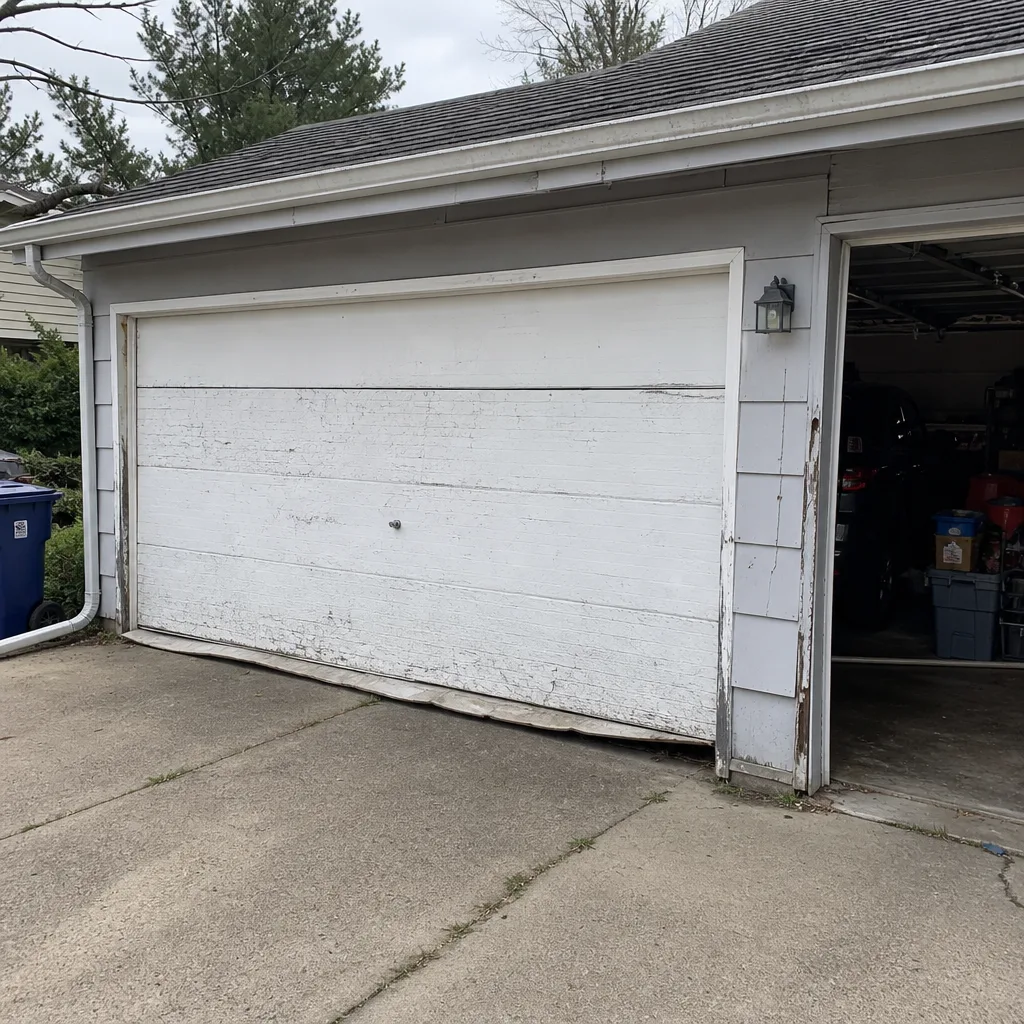 Before
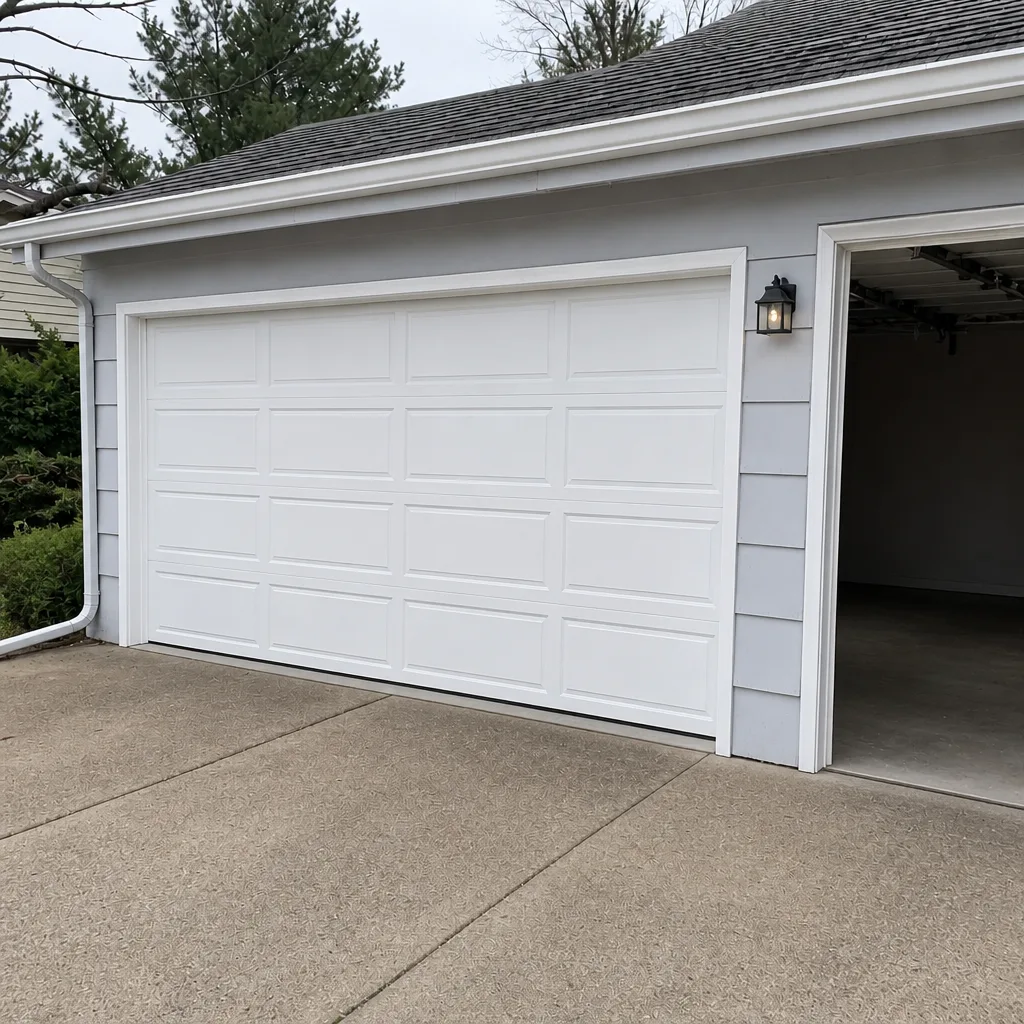 After
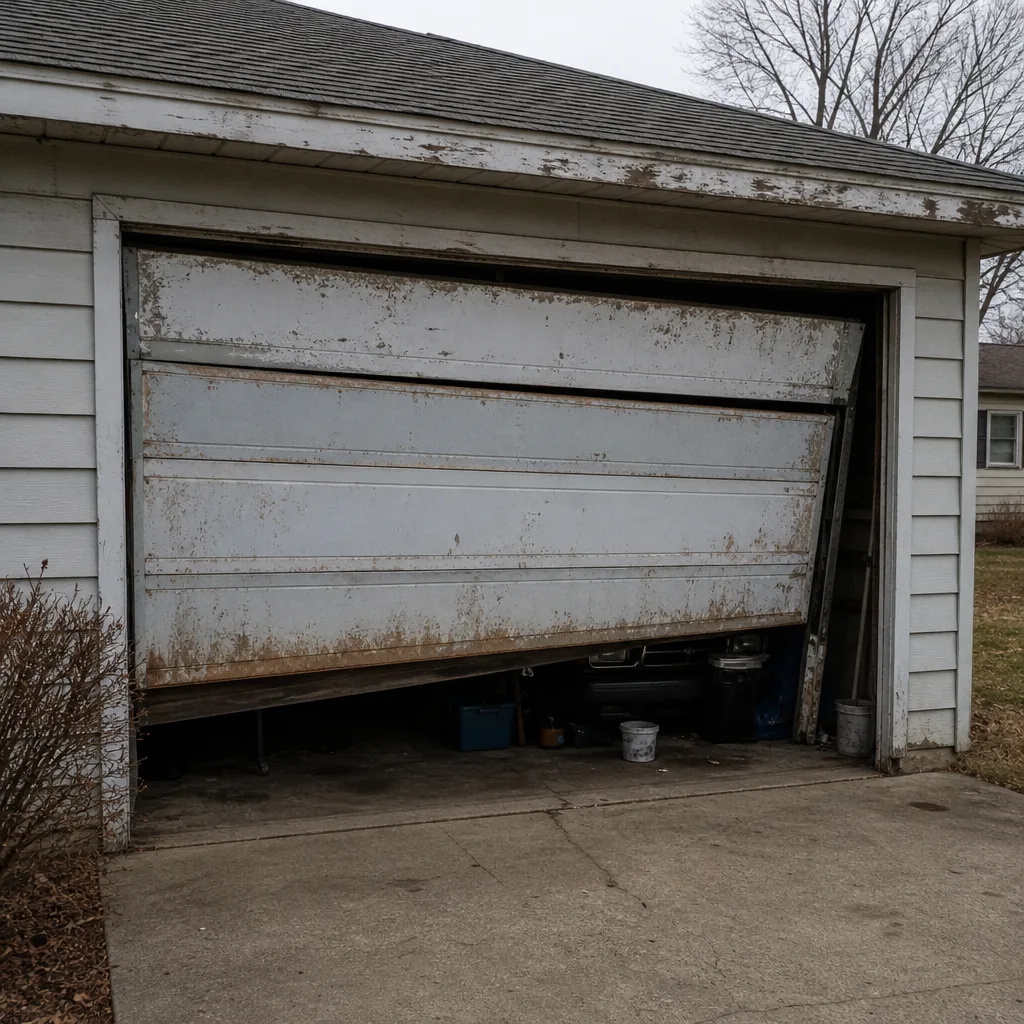 Before
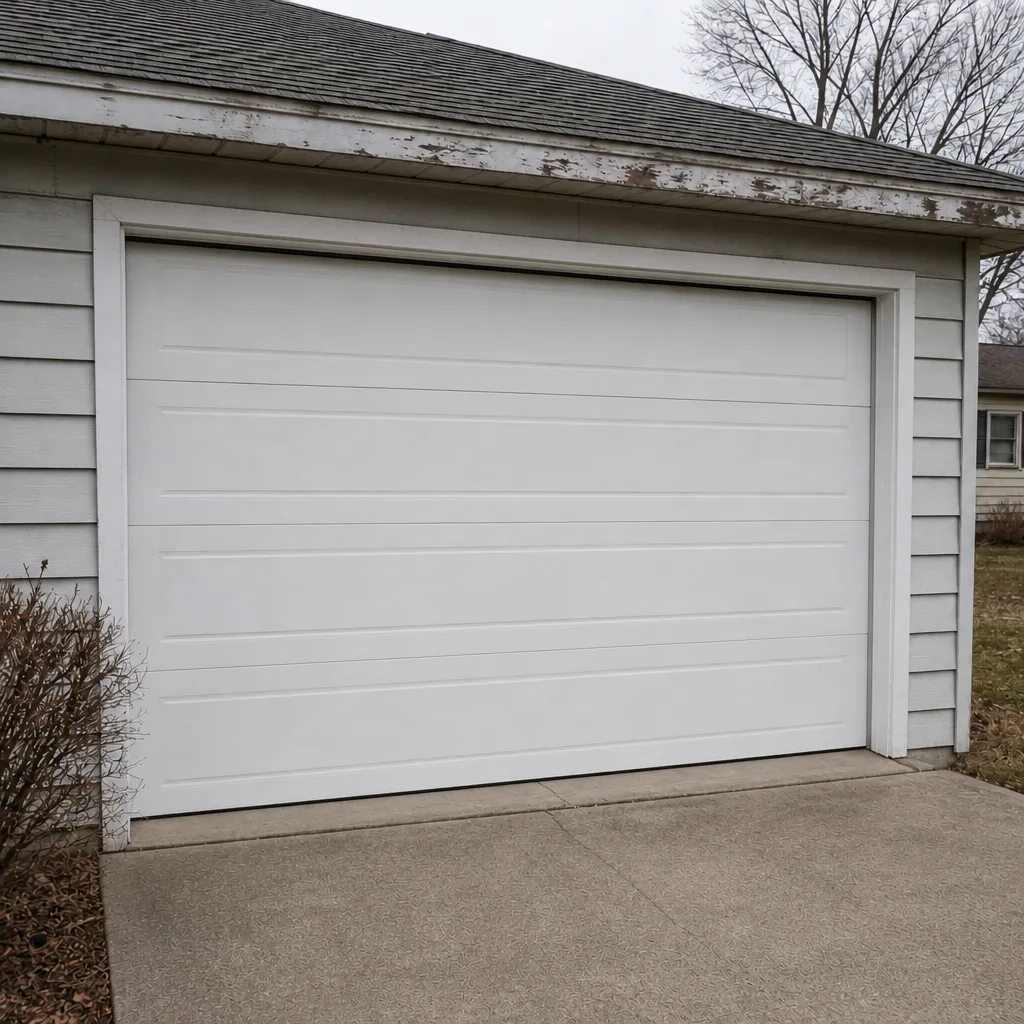 After
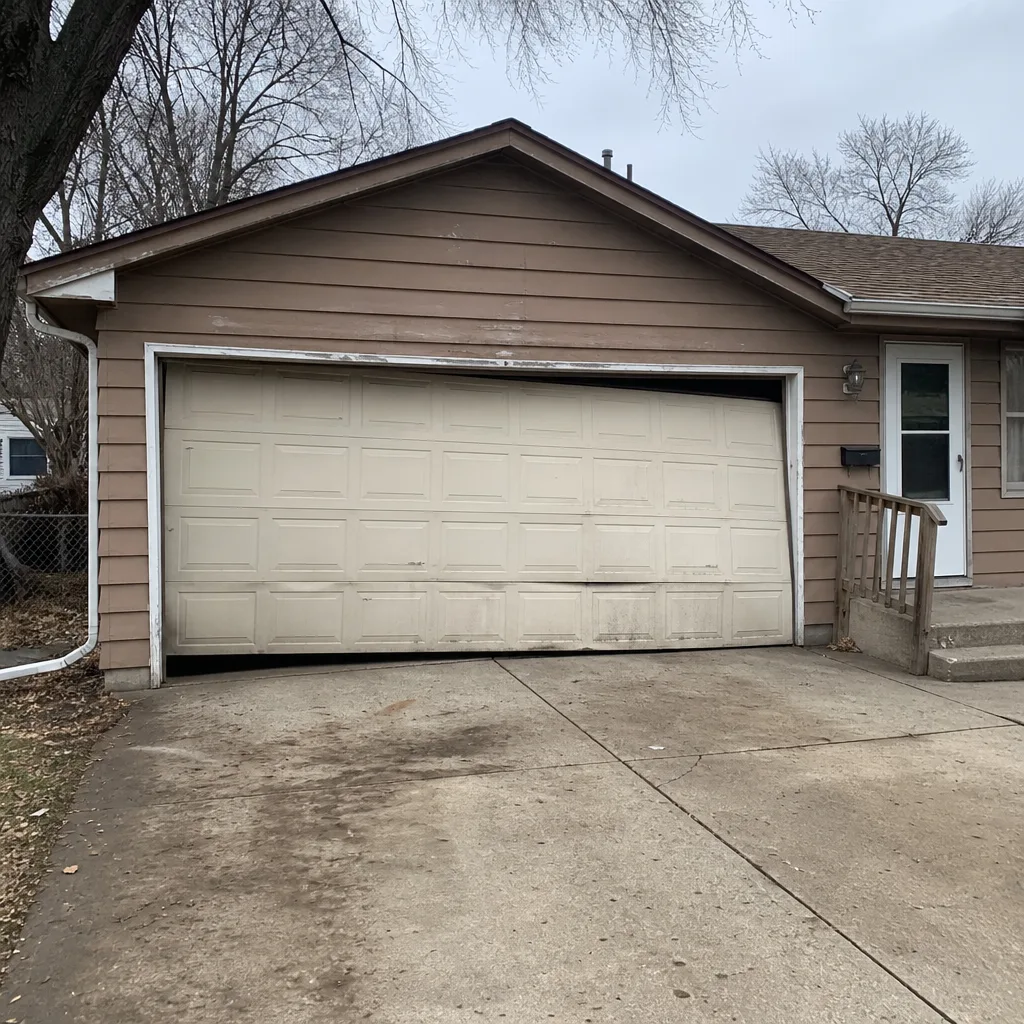 Before
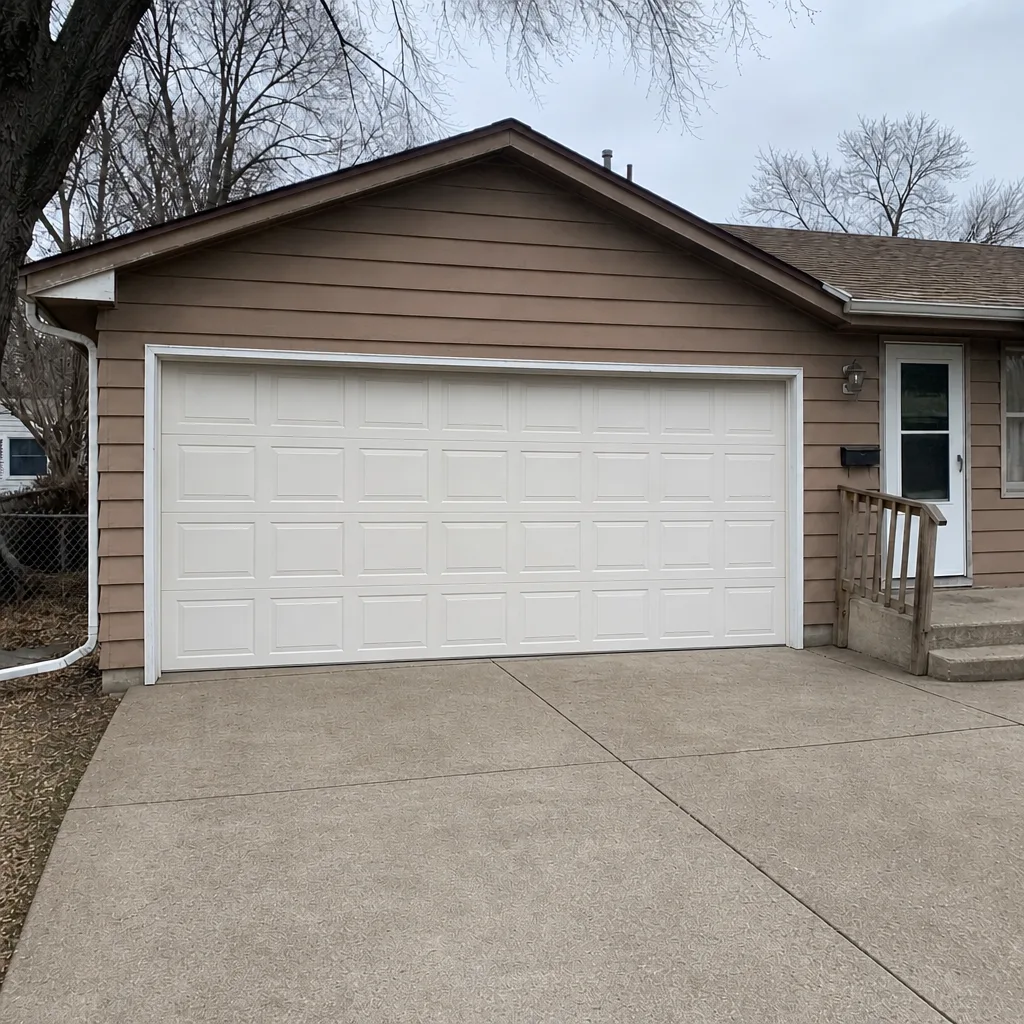 After
When to Call a Professional
Some garage door issues are safe to look at yourself, and some aren’t. Check the door’s balance by lifting it manually after disconnecting the opener – it should lift easily and stay roughly where you leave it. Look at the springs above the door for gaps or obvious breakage, but don’t touch them. If you see a broken spring, a door that won’t lift, a door that reverses on the way down, a snapped cable, or an opener that’s unresponsive and not fixable by checking the remote and safety sensors, it’s time to call a technician.
If the door is stuck open, won’t close, or you can’t get the car out, that’s the urgent case. Spring and cable work specifically should always go to a trained professional – the stored tension in a wound torsion spring can cause serious injury if handled without proper equipment and technique. Garage Door Repair Mac-Groveland offers free estimates in Mac-Groveland – call (833) 586-4558. We answer 24/7, with fast dispatch from 7am to 7pm, Sunday through Friday, and same-day service for urgent situations.
Frequently Asked Questions
Most Mac-Groveland garage door repairs land in a broad range, with the price depending on the component and door type. Spring replacement typically costs more than roller or hinge work because of the involved components and safety procedure. Opener repair falls in the middle. The only number that matters is your written estimate, because it sets the price for your specific door. Call (833) 586-4558 for a free estimate – the quote is written and agreed before any work starts.
Same-day service is available for urgent garage door problems, including doors stuck open and cars trapped inside. We answer 24/7, with fast dispatch from 7am to 7pm, Sunday through Friday. Call (833) 586-4558 to book a technician.
No. We quote in writing and the agreed price is the price – if the scope changes after we’ve diagnosed a problem, we tell you before touching anything and won’t proceed without your approval. That’s not a sales promise; it’s what a written estimate is for. If you’re comparing quotes from other companies, ask them the same question. Call (833) 586-4558 for your free estimate.
The local professional performing the work is licensed and insured as their state requires, and we connect you with technicians who can provide documentation before the visit. If you’re hiring a garage door contractor independently, always ask for a certificate of insurance before the visit and confirm workers’ compensation coverage if they have employees. Call (833) 586-4558 to schedule with a vetted local professional.
Torsion springs mount horizontally above the door and twist along a metal shaft; extension springs run alongside the horizontal tracks and stretch. Both store energy, but they behave differently under load and require different service procedures. Which one your door uses depends on the door’s weight and manufacturer – many LiftMaster, Clopay and Raynor systems use torsion, while some Wayne Dalton doors use TorqueMaster springs. A technician should identify the type before quoting so they install the right part.
Permit requirements depend on the scope of work and current city rules, so ask the City of Saint Paul’s building department directly before scheduling a full replacement. Simple repairs typically don’t need a permit; structural changes or complete door replacement sometimes do. A written estimate should note whether permit requirements apply to your project. Call (833) 586-4558 if you want us to walk through the scope before you call the city.
The Bottom Line
Hiring a garage door contractor in Mac-Groveland is really a decision about trust on a system that operates under stored mechanical energy. The right hire is insured, certifies their brand-specific experience, gives you a written scope with springs and parts spec’d out, and stands behind the labor in writing. The wrong hire is a verbal quote, a vague warranty and a price that grows once the truck is in the driveway. Ask the four insurance questions, normalize the quotes, watch the safety procedure on the day of the visit, and don’t authorize an opener replacement on a job that only needed a spring. If you’d like to skip the comparison step, we’re happy to be measured against that standard.
Call (833) 586-4558 for a free estimate. We answer 24/7. Fast dispatch from 7am to 7pm, Sunday through Friday. Same-day service is available for urgent garage door problems.
Written by the team at Garage Door Repair Mac-Groveland.