
Last updated November 21, 2026
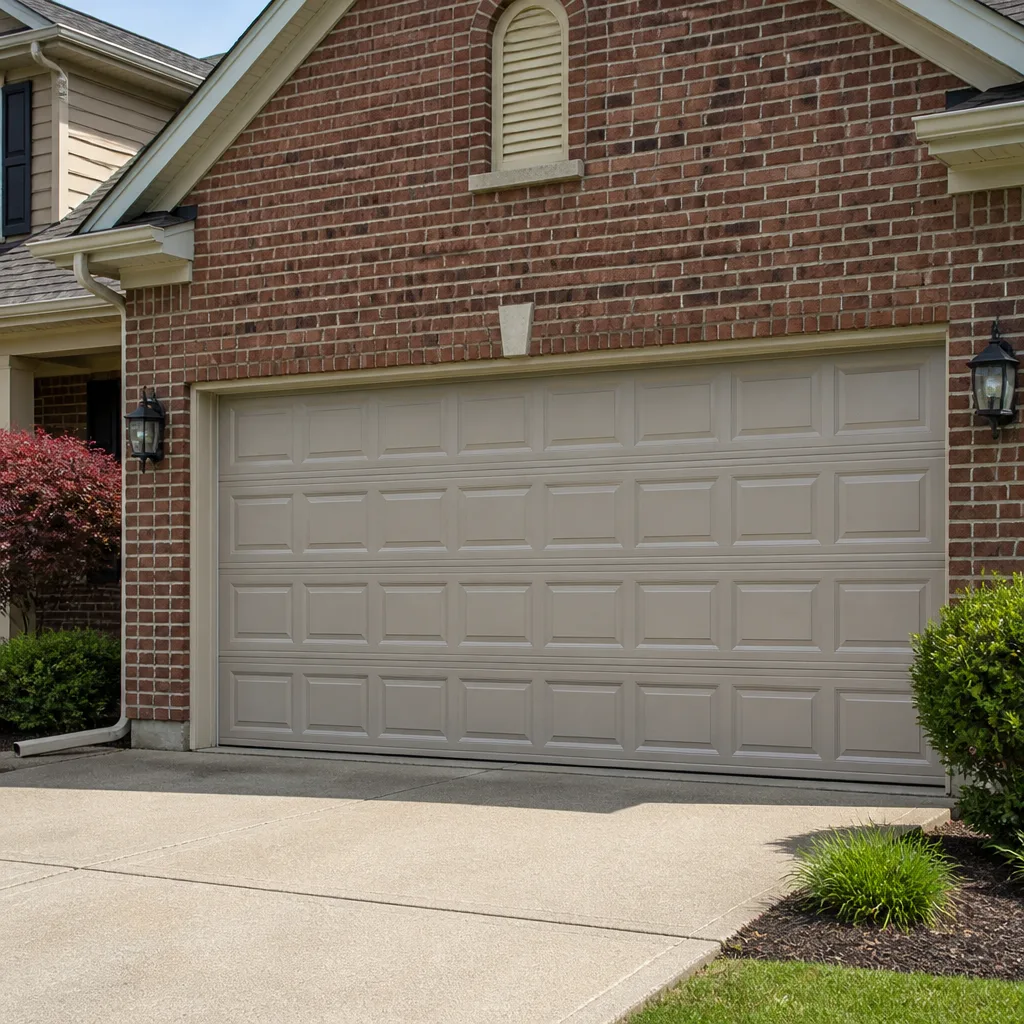 Raised-panel steel
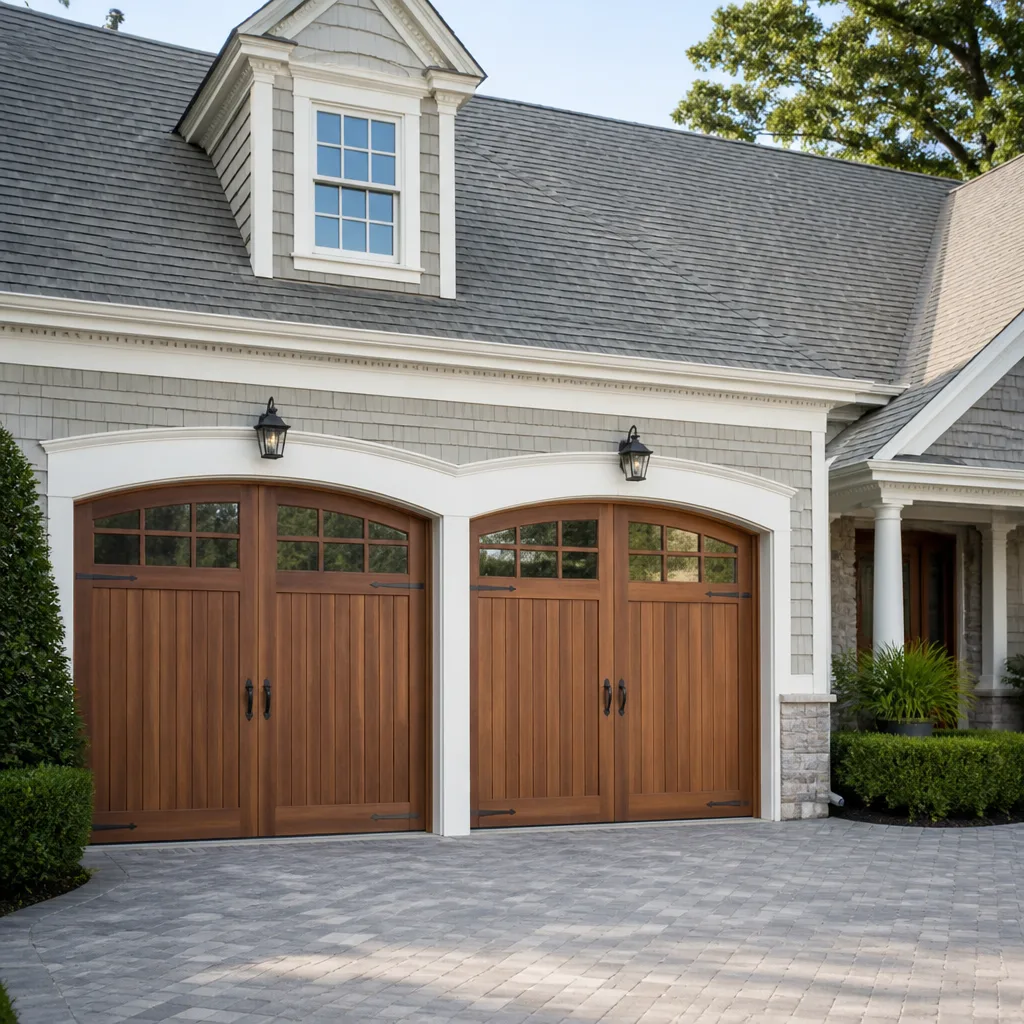 Carriage house
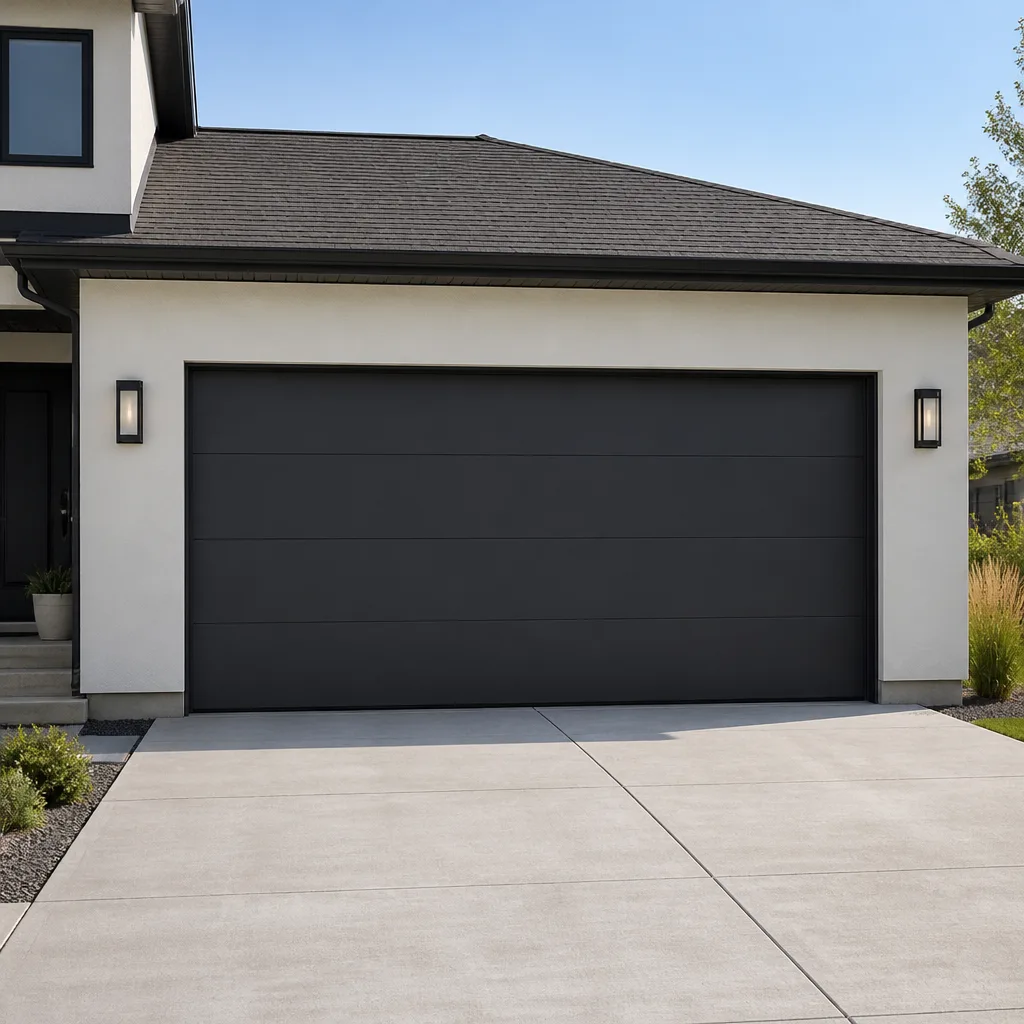 Modern flush
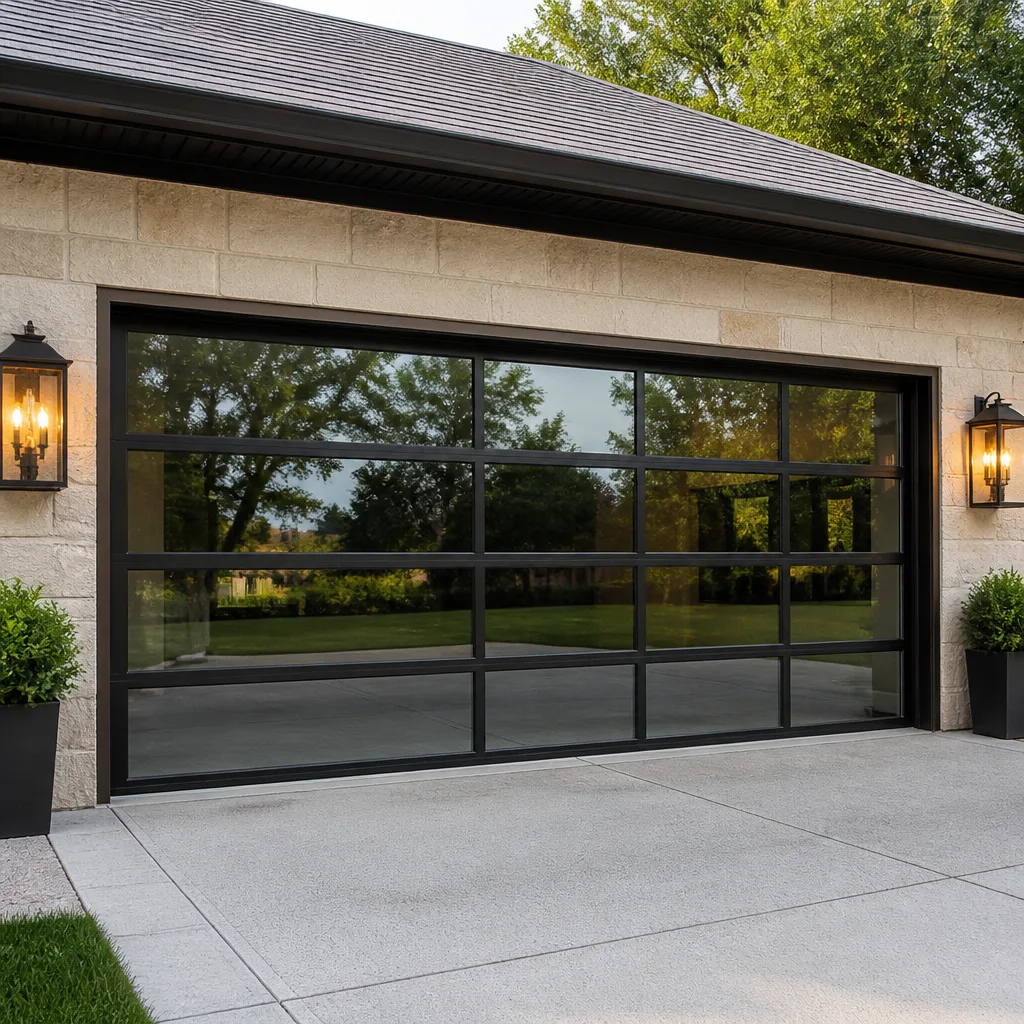 Full-view glass
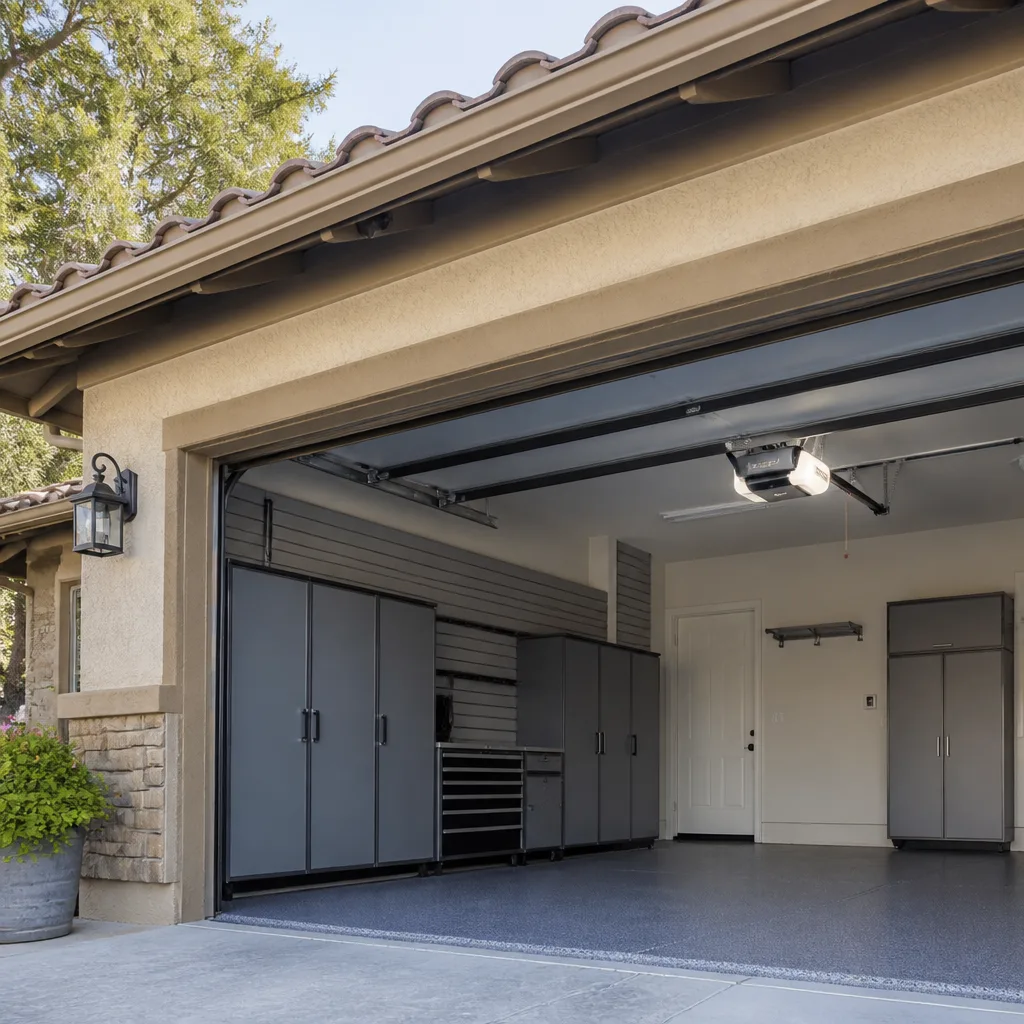 LiftMaster openers
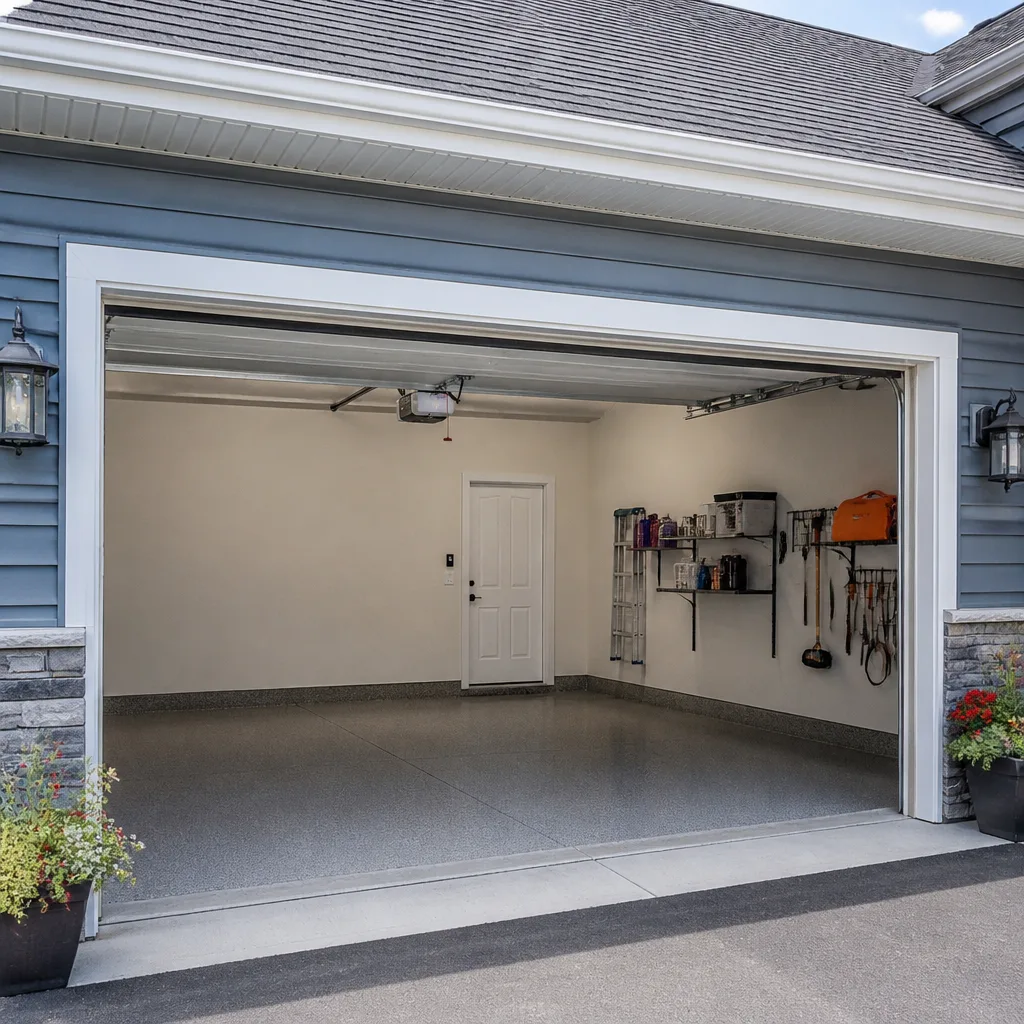 Chamberlain openers
Full 25-point door and opener safety check with every visit - springs, cables, rollers, tracks, and your LiftMaster or Chamberlain opener included
You get a price before we start. It does not change when the pro arrives.
Get your free estimateGarage Door Warning Signs: A Mac-Groveland Homeowner’s Reference Guide
Most garage doors don’t fail suddenly. They announce trouble for weeks first – a rattle that wasn’t there before, a door that pauses halfway up, a cable that’s gone slack. The problem is that most homeowners hear these signals and file them under “annoying but working,” which is exactly how a $150 repair turns into a door that won’t open on a Monday morning. A garage door is a system of springs, cables, rollers, hinges, and an opener, and every one of those parts fails in its own recognizable way. This guide teaches you to read those signals in a Mac-Groveland home, so you know whether to watch, schedule, or stop using the door today.
Quick Answer
The main warning signs of a failing garage door are unusual noises (snapping, grinding, scraping), uneven movement or a door that stops halfway, a gap at the bottom, slack or frayed cables, and an opener that struggles or reverses on its own. Signs on the spring or cable side mean stop using the door and call a professional immediately, while noise, roller, and opener signs usually mean schedule a repair soon. In Mac-Groveland, winter temperature swings put extra stress on springs and hardware, so an early read on any of these signs saves both money and a cold morning with a car trapped inside.
Styles & brands we work with
- Raised-panel steel
- Carriage house
- Modern flush
- Full-view glass
- LiftMaster openers
- Chamberlain openers
Table of Contents
- The Symptom-to-Cause Index
- Stop Using the Door vs. Schedule a Repair
- Opener Problem or Door Problem? How to Tell
- Five Visual Checks You Can Do Without Tools
- Why Intermittent Problems Are Often Worse
- How Mac-Groveland Weather Accelerates Wear
- What Each Sound Is Telling You
- How to Describe the Problem to a Technician
The Symptom-to-Cause Index
This is the heart of the guide: a straight mapping from what you notice to what’s likely causing it. A door that’s “a little slow” or “makes a new noise” isn’t just an annoyance – it’s describing a specific mechanical problem, and the symptom usually points to one component. Use this index to get oriented before you call anyone.
- Loud snap or bang, door won’t lift: Almost always a broken torsion or extension spring. This is a stop-and-call situation.
- Grinding or scraping as the door moves: Worn rollers, a dry or misaligned track, or a hinge pulling loose.
- Squealing or high-pitched whine: Metal-on-metal friction – usually rollers, hinges, or a torsion tube that needs attention.
- Rattling that gets worse over time: Loose hardware, a backed-out bolt, or a panel that’s vibrating against the frame.
- Door rises partway, then stops or reverses: Could be a spring losing tension, a binding track, or a force-setting or safety-sensor issue on the opener.
- Door hangs crooked – one side higher than the other: A stretched or broken cable, or an extension spring that’s failed on one side.
- Gap along the bottom, daylight showing through: A worn bottom seal, a bent bottom panel, or the door sitting slightly off its stops.
- Cable hanging loose or visibly frayed: A cable that’s come off its drum or is about to fail. Stop using the door.
- Opener runs but the door doesn’t move: A stripped gear in the opener, a broken spring, or the manual release having been pulled.
- Door reverses before touching the floor: Usually a safety-sensor or force-setting problem, not a mechanical failure of the door itself.
Each of these symptoms is something we see regularly on garage door repair calls around the neighborhood, and each has a fairly predictable cause. The index above gets you pointed the right direction; the sections below explain how to weigh severity.
Stop Using the Door vs. Schedule a Repair
The single most important judgment call is whether a warning sign means “watch and schedule” or “stop using it right now.” Get this wrong in either direction and you either waste a repair window or risk a dangerous failure. Here’s the dividing line.
Stop using the door today and call
- A broken spring. The door will feel extremely heavy and may not lift. Torsion and extension springs store enormous tension – never attempt to adjust or replace one yourself.
- A snapped, frayed, or loose cable. Cables are under load and can whip free. Keep the door down and everyone clear.
- The door hangs crooked or drops suddenly. This usually means a cable or spring has failed on one side, and the door can come down unevenly.
- Loud bang from the spring area, then the door won’t open. Classic broken-spring signature. Stop here.
- A door that won’t stay up when lifted manually. The counterbalance is compromised – do not let anyone walk under it.
Schedule a repair soon (but the door still works)
- Noise from rollers or hinges. Usually a wear item that can be replaced on a planned visit.
- Grinding that comes and goes. Worth booking before it becomes constant.
- A worn bottom seal. Not urgent for safety, but it lets cold air, snow, and pests into a Mac-Groveland garage.
- An opener that’s noisy but still opens the door. Often a sign of a worn gear or chain that’s better addressed before it quits.
If you’re not sure which side of the line you’re on, err toward stopping. A door that stays down until a technician sees it is a door that isn’t going to fall on anyone. For urgent cases, our Garage Door Repair Mac-Groveland team handles emergency calls when a spring snaps or a car is stuck – the situations that won’t wait for a scheduled visit.
Opener Problem or Door Problem? How to Tell
This is the most common misdiagnosis we run into. Homeowners assume the opener is failing when the actual problem is the door, or the reverse. Sorting out which component owns the problem saves you from replacing the wrong part – and from a technician showing up with opener parts for a door that needs a cable.
Here’s the reliable way to tell:
- Disconnect the opener. Pull the manual release cord so the opener is no longer connected to the door.
- Lift the door by hand. A healthy door should lift smoothly with moderate effort and stay in place when you let go about halfway up.
- If the door is heavy, binds, or won’t stay up: the problem is in the door’s mechanicals – springs, cables, rollers, or track – not the opener.
- If the door moves easily by hand but the opener struggles: the problem is in the opener itself – motor, gear, chain, belt, or limit/force settings.
The pattern of your opener also matters. A LiftMaster or Chamberlain unit that runs, then clicks off and reverses, is often reacting to force or safety-sensor feedback rather than failing electrically. A Genie or Craftsman opener that hums but doesn’t move the door may have a stripped gear. Knowing which brand you have and how it behaves helps a technician diagnose it faster. We handle garage door opener repair across the major consumer and commercial-grade lines, so the person who diagnoses your LiftMaster or Genie is the same one who’s seen that behavior before.
Five Visual Checks You Can Do Without Tools
You don’t need a toolbag to get a read on severity. These five checks take about two minutes, involve no disassembly, and tell you a lot about what’s going on. Keep your hands off the springs and cables – these checks are about looking, not touching.
- Look at the springs. A torsion spring is the horizontal coil above the door; extension springs run alongside the tracks. A visible gap in the coil, or an extension spring that’s stretched out and hanging, means a broken spring. Don’t touch – just note it and call.
- Look at the cables. With the door closed, check the cables running down each side. They should be taut and evenly seated on their drums. A cable that’s loose, off its drum, or visibly frayed is a stop-using-the-door sign.
- Look at the door’s alignment. Stand back and check the gap between the door and the frame on each side. One side noticeably higher, or a visible tilt, points to a cable or spring issue.
- Look at the bottom seal. With the door closed, check for daylight or gaps along the floor. A worn seal or bent bottom panel lets in Mac-Groveland’s winter air and is an easy, low-urgency fix.
- Look at the rollers and hinges. Rollers should sit evenly in the track without wobble. Hinges shouldn’t be pulled away from the panel or visibly bent. Worn rollers and loose hinges are the most common cause of noise and are a planned-repair item, not an emergency.
Anything you find on checks one through three is worth a call. Checks four and five are usually a “schedule it” situation. If you want a professional read, we offer free estimates in Mac-Groveland – call (833) 586-4558.
Why Intermittent Problems Are Often Worse
A door that fails every time is easy to diagnose. A door that fails once a week, or only when it’s cold, or only on the first open of the day, is harder – and in our experience, intermittent problems are frequently the more serious ones heading toward a full failure. A spring that’s lost some tension doesn’t snap all at once; it weakens, hesitates, and eventually gives. An opener gear wears gradually until it strips. The intermittent behavior is the warning window.
The challenge is that by the time a technician arrives, the door may be behaving perfectly. That’s why how you describe the intermittent issue matters as much as the visit itself. Here’s how to capture it accurately:
- Note the conditions. Does it happen when it’s cold, after the door’s been sitting, on the first cycle of the day, or after several rapid open-closes?
- Note the exact behavior. Does it pause, reverse, grind briefly, or make a single loud noise and then work fine?
- Count the frequency. “Twice this week, both times in the morning” is far more useful than “sometimes it acts up.”
- Note which direction. Does it struggle more going up or coming down? Up-struggles often point to spring tension; down-struggles often point to track, rollers, or opener force settings.
- Capture it if you can. A short phone video of the door doing the odd thing is genuinely helpful – it lets a technician see the exact motion and sound.
Intermittent issues are also where brand knowledge pays off. A Chamberlain opener that occasionally reverses on its own behaves differently from a LiftMaster unit with the same complaint, and knowing the model narrows the diagnosis quickly. When you call, having the brand and model of your opener ready – usually on a label under the light cover or on the back of the unit – saves time.
How Mac-Groveland Weather Accelerates Wear
Mac-Groveland’s climate is hard on garage doors in a way that coastal or mild-climate guides don’t account for. The neighborhood sits in a part of the Twin Cities where winters bring repeated freeze-thaw cycles and summer humidity swings, and both put stress on the same components.
Cold is the big one. Metal contracts in low temperatures, which puts extra tension on springs and makes cables and rollers more brittle. A spring that’s nearing the end of its life is more likely to snap on the first cold morning than on a mild day. Grease and lubricant thicken in the cold too, which is why a door that ran fine in October can suddenly grind or hesitate in January. Humidity in summer works the other way – it can cause wooden door panels to swell and stick, and it accelerates rust on steel tracks and hardware if they’re not kept clean.
What this means for a Mac-Groveland homeowner:
- Listen more carefully in late fall. A door that’s starting to make noise as temperatures drop is telling you something before the deep cold arrives.
- Watch the bottom seal and weatherstripping. These take the brunt of snow and ice and wear faster here than in milder climates.
- Expect spring and cable issues to surface in cold snaps. If a spring fails in the cold, treat it as the stop-using sign it is rather than trying to force the door.
- Keep tracks clear of ice and debris. Salt, grit, and frozen meltwater in the track can bind a door and mimic a mechanical failure.
We see this seasonal pattern constantly on calls around the neighborhood, and it’s the main reason a “watch it” sign in summer is worth scheduling before winter in Mac-Groveland.
What Each Sound Is Telling You
Sound is the earliest and most reliable warning a garage door gives you, and different sounds come from different parts. Learning to separate them tells you how urgent the repair is before you ever pick up the phone.
- A single loud snap or bang, followed by silence or a door that won’t lift: A broken spring. This is the most serious sound a door makes and the clearest stop-using signal.
- Grinding that follows the door as it moves: Rollers or track. Often a worn roller, a dry track, or debris in the track. Usually a scheduled repair, not an emergency.
- High-pitched squeal: Metal-on-metal friction – usually hinges, rollers, or a torsion tube. A lubrication and hardware check usually resolves it, but persistent squealing means something is wearing.
- Rattle or vibration that’s new: Loose hardware – a bolt backing out, a hinge pulling free, or a panel vibrating. Worth tightening on a planned visit before it worsens.
- Humming from the opener with no movement: A stripped opener gear or a disconnected door. If the door moves fine by hand, the opener is the problem.
- Repeated clicking at the opener: Often a safety-sensor or limit-setting issue, not a mechanical failure of the door.
The key insight: the noise a worn torsion spring makes is different from the noise a failing roller makes, and the difference tells you whether you’re looking at a same-day call or a scheduled visit. When in doubt, describe the sound – “grinding on the way up,” “one loud snap,” “a squeal that’s getting worse” – and we can help you sort out urgency over the phone.
How to Describe the Problem to a Technician
A clear description gets you a faster, more accurate repair – and it’s the single best thing you can do before calling. Vague reports (“it’s broken”) mean the technician arrives without the right parts or the right expectation, which costs everyone time.
Use this checklist when you call:
- What the door does. Won’t open, opens partway, reverses, hangs crooked, or works but makes noise.
- When it happens. Every time, only in cold, only in the morning, only after several cycles.
- What you hear. Snap, grind, squeal, rattle, hum, or nothing.
- The brand and model of your opener. LiftMaster, Chamberlain, Genie, Craftsman – the label is usually under the light cover.
- What you’ve already checked. Spring, cable, alignment, seal, rollers – mention anything you noticed on the visual checks.
- Whether the door is safe to leave up. If it won’t stay up or is hanging unevenly, that’s the first thing to say.
If a repair turns out to be more than a repair, we can also handle a full replacement without sending you to a second company – so whether it’s a stuck panel or a door that’s reached the end of its life, garage door installation is part of the same service call. From a stuck panel to a full new door, the diagnosis, repair, parts, and install all stay with the same technician.
Common Mistakes to Avoid
- Forcing a heavy door up by hand. If the door feels extremely heavy, the spring or cable has likely failed – forcing it can cause a sudden drop. Leave it down and call.
- Trying to adjust or replace a spring yourself. Torsion and extension springs store dangerous tension and require proper tools and training. This is the repair most often attempted at home and the one most likely to cause serious injury.
- Assuming every problem is the opener. Replacing an opener when the door has a cable issue wastes money and leaves the real problem in place. Do the disconnect-and-lift test first.
- Ignoring an intermittent failure until it’s constant. A door that fails occasionally in a Mac-Groveland cold snap is telling you it’s near the end. Schedule before it stops entirely.
- Under-describing the problem on the phone. “It’s making a noise” doesn’t help a technician prepare. Say what, when, and how often.
- Trying to lubricate or “fix” a frayed cable. A worn cable needs replacement, not a spray – and it’s a stop-using-the-door sign until it’s inspected.
- Putting off a bottom-seal replacement through winter. A worn seal lets cold air, snow, and pests into a Mac-Groveland garage all season. It’s an easy, low-urgency fix that’s better done early.
See the difference
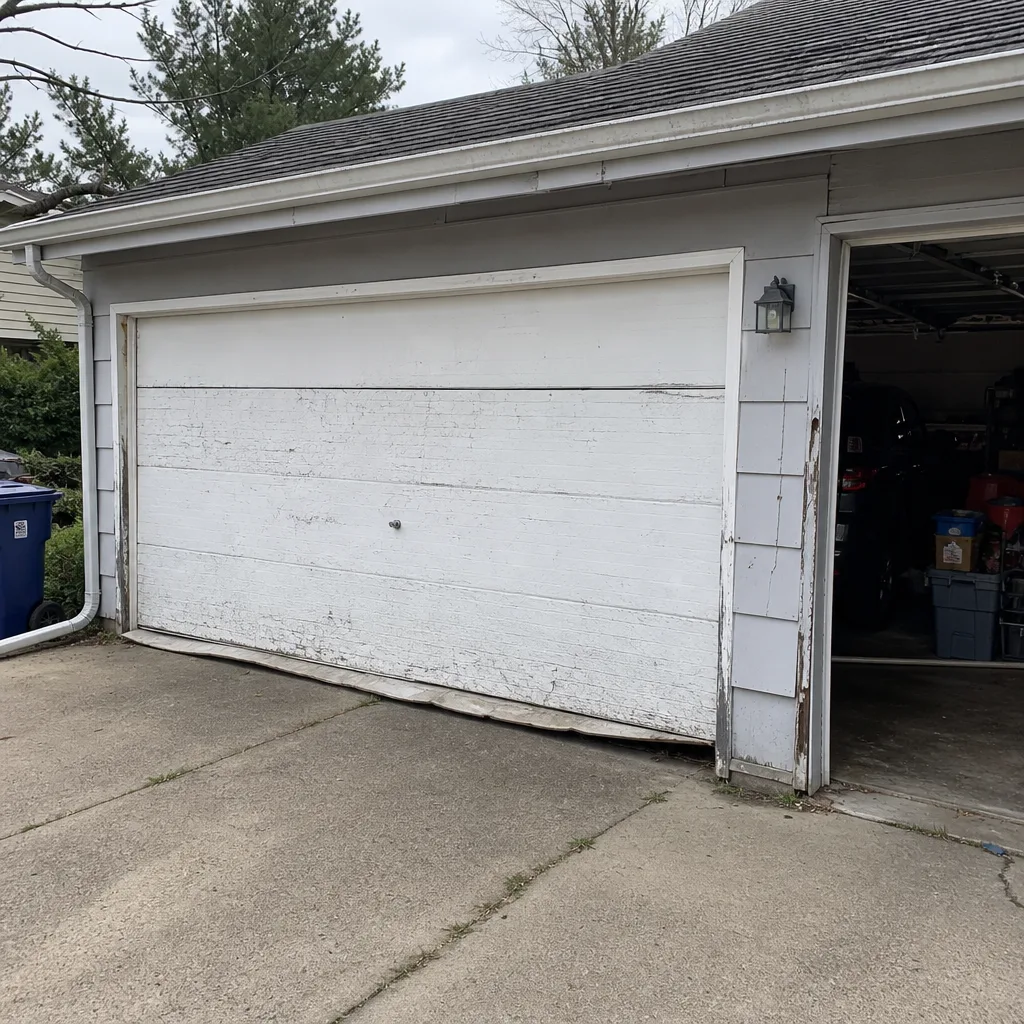 Before
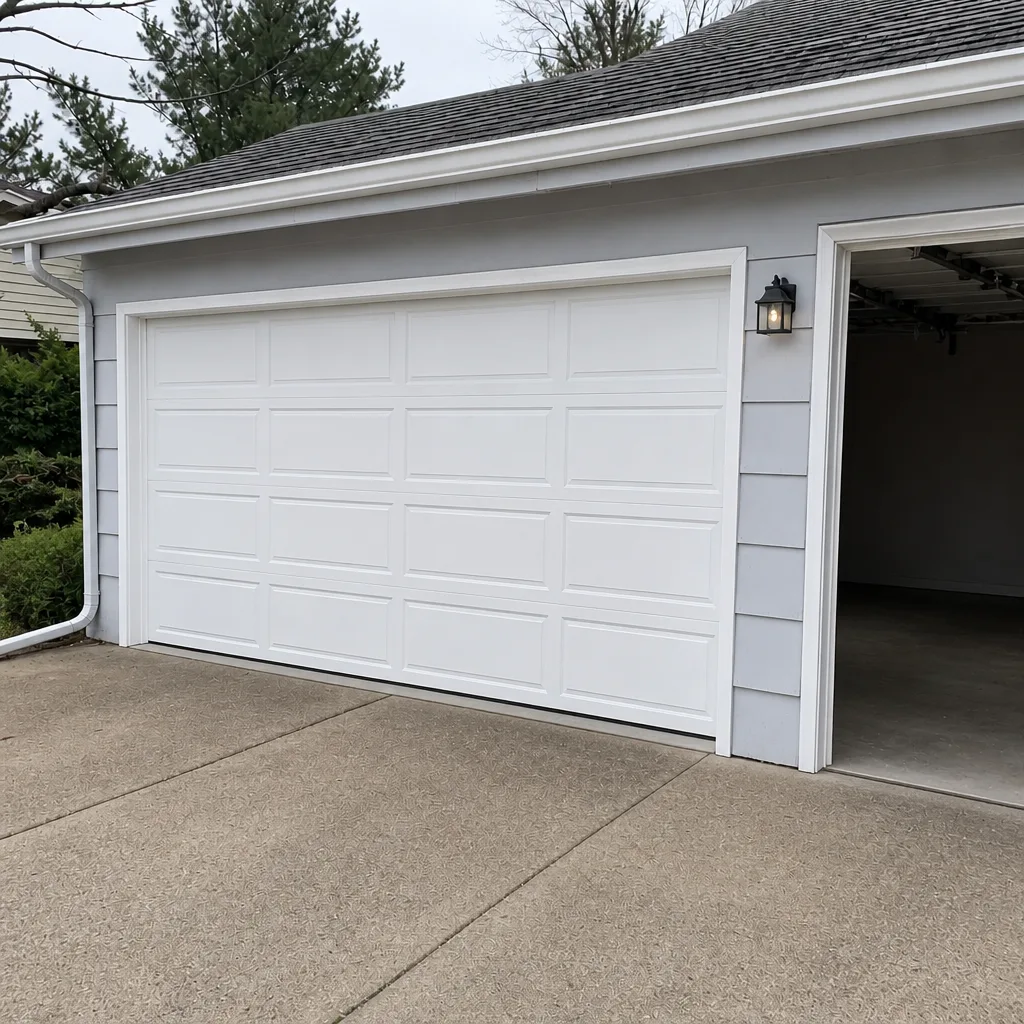 After
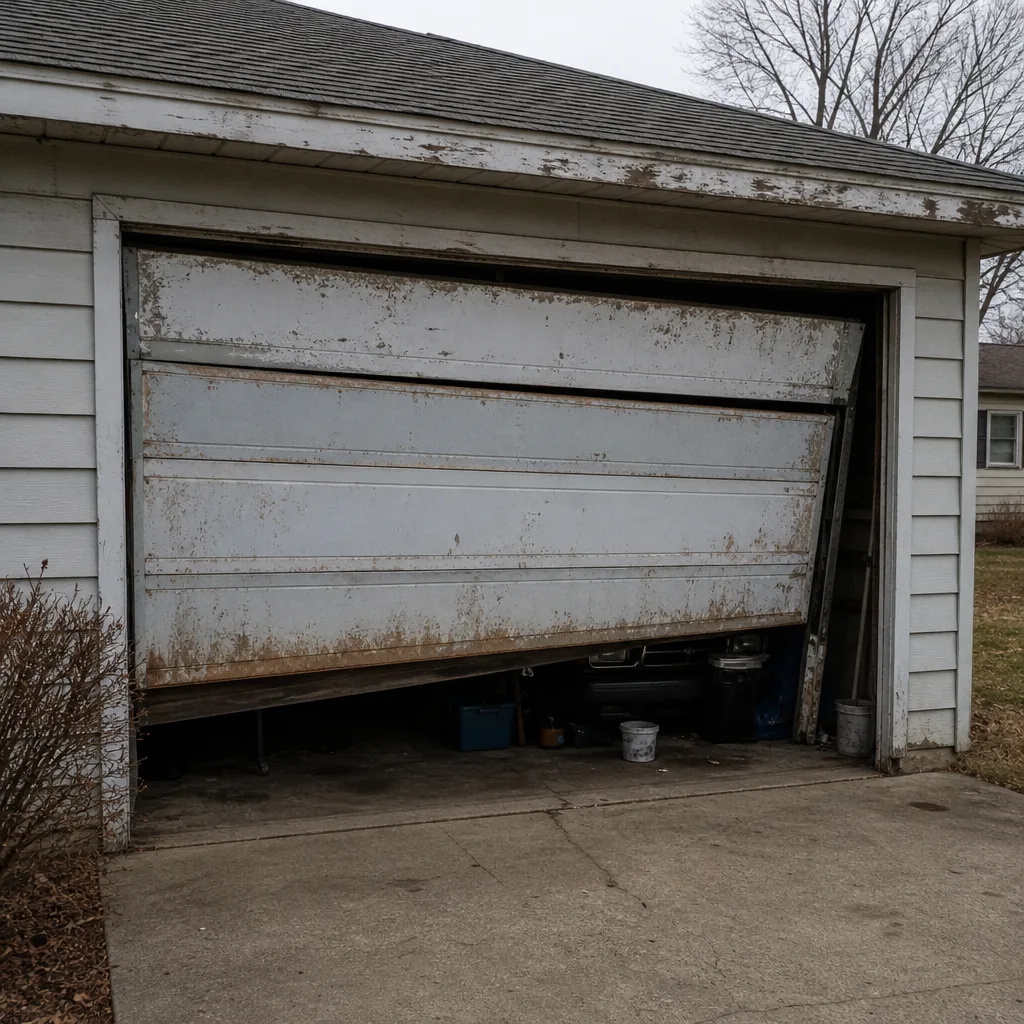 Before
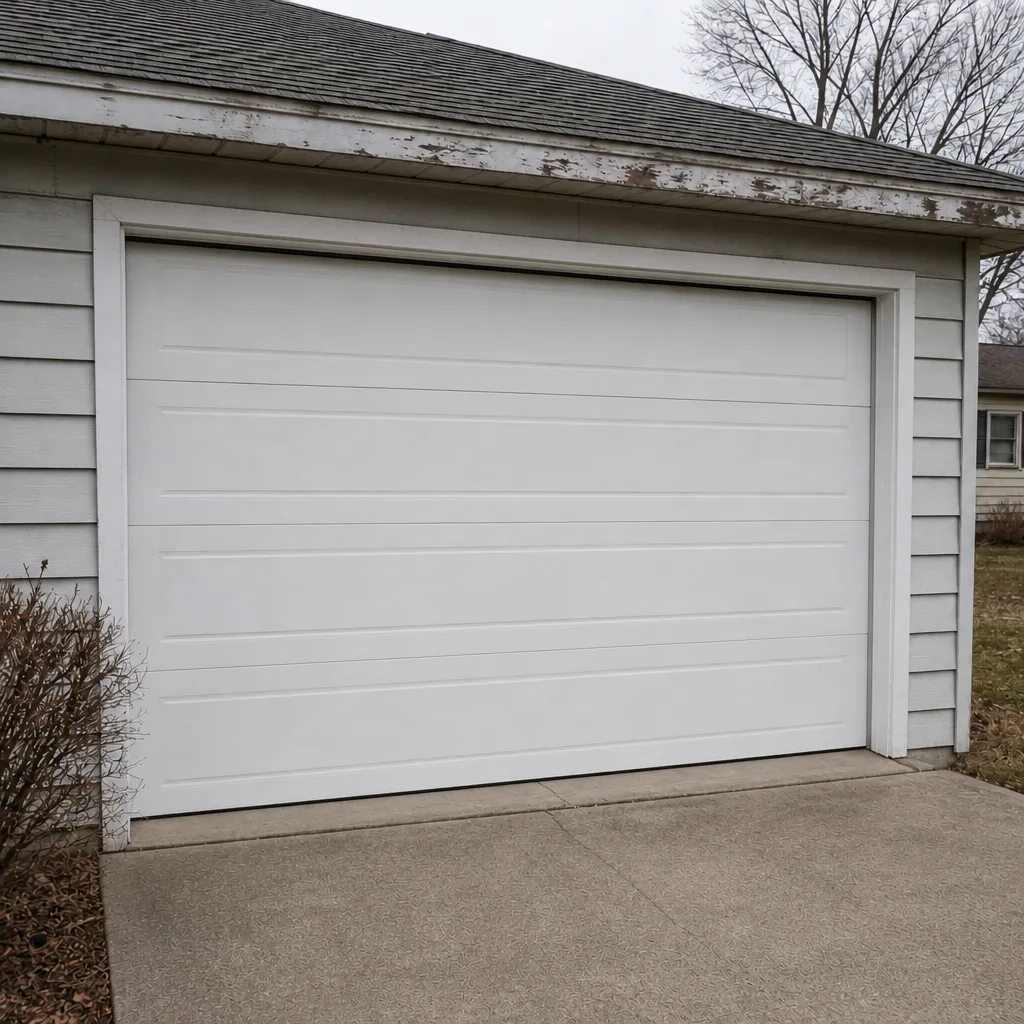 After
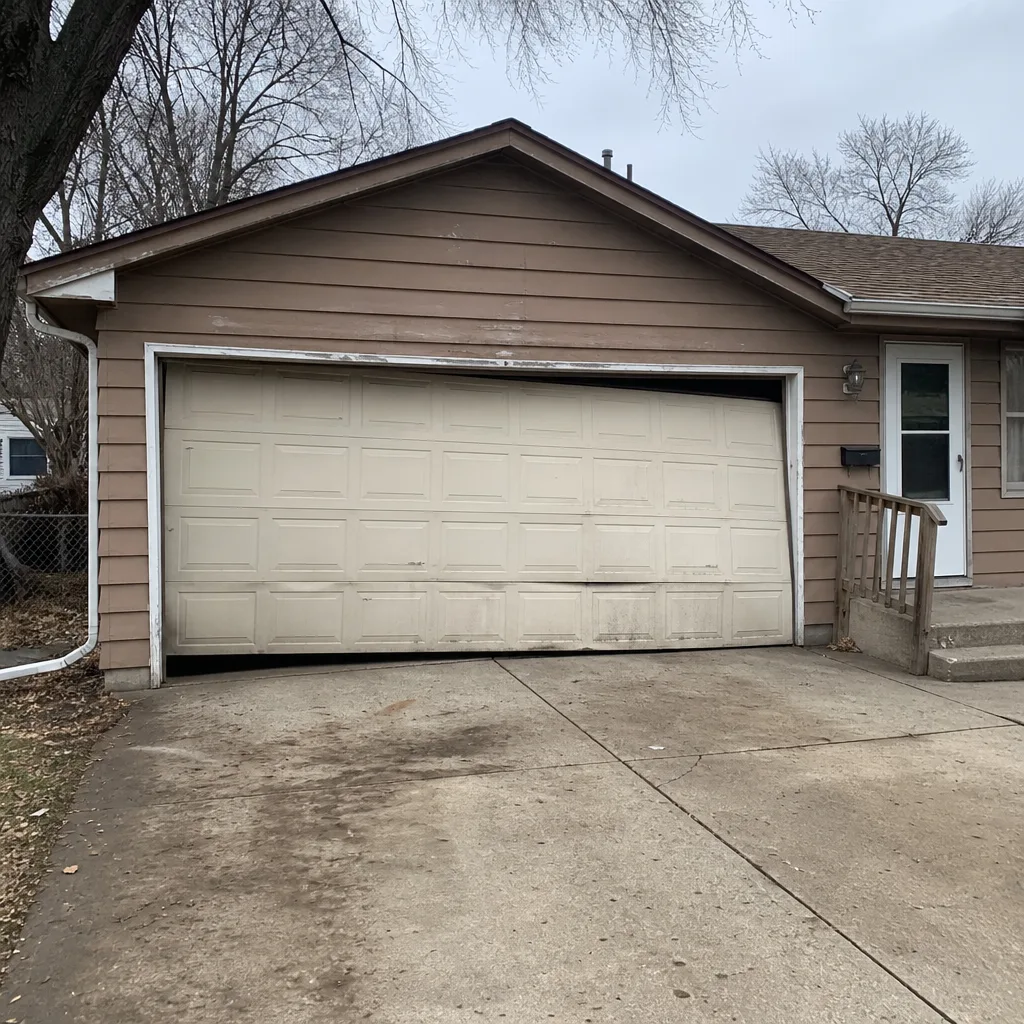 Before
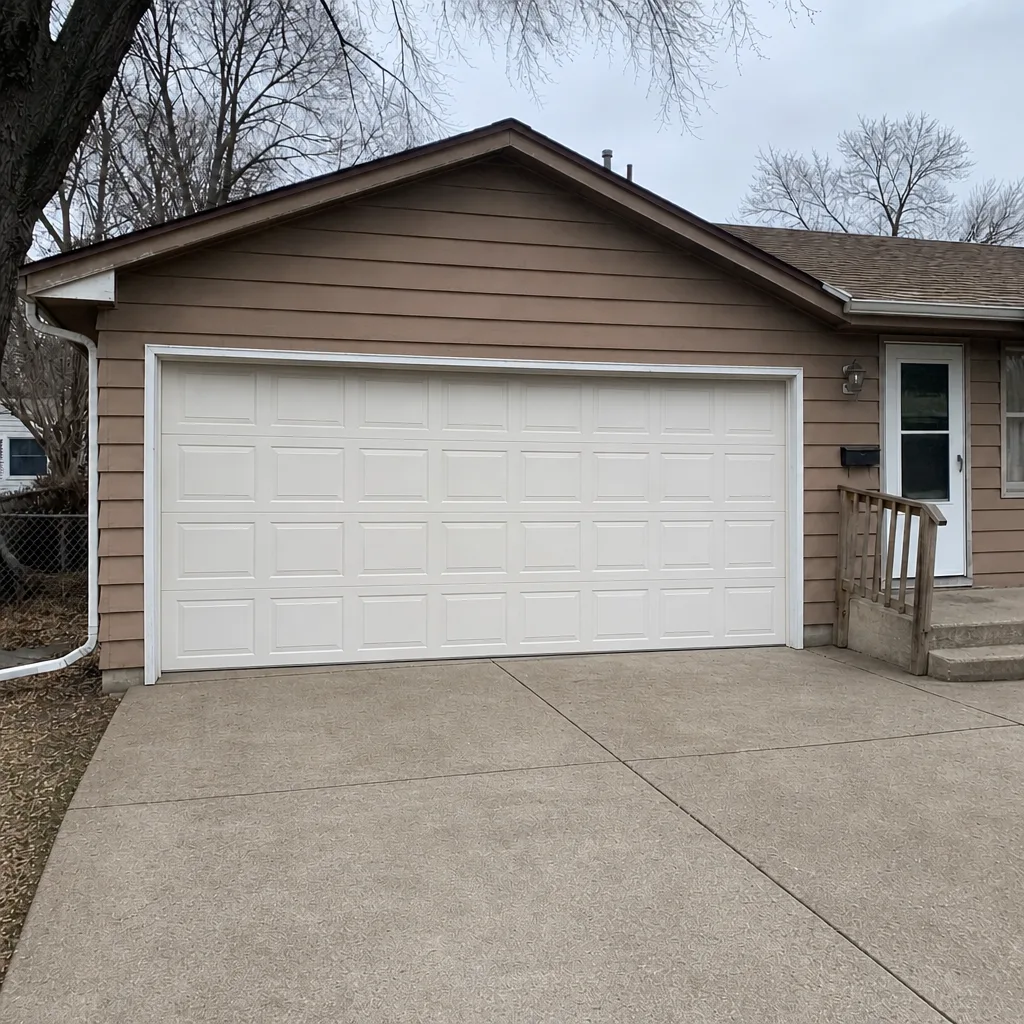 After
When to Call a Professional
Call today if the door won’t lift, hangs crooked, has a broken or visibly damaged spring, a frayed or loose cable, or won’t stay up when you try to lift it. These are the signs where the door is a hazard and the repair needs a trained professional with the right tools. Call to schedule soon if you’re hearing new grinding, rattling, or squealing, or if the door is binding, hesitating, or running rough. For anything you’re unsure about, a diagnosis is the right first step. Garage Door Repair Mac-Groveland offers free estimates in Mac-Groveland – call (833) 586-4558. We answer 24/7, and fast dispatch from 7am to 7pm, Sunday through Friday, gets a technician to your door to read the signs with you.
Frequently Asked Questions
New or worsening noise is usually the first sign – grinding, squealing, rattling, or a single loud snap. Noise is the door telling you something is wearing before it fails. Call (833) 586-4558 for an exact read; estimates are free.
Most repairs fall into a moderate range depending on the part and the door. A single torsion spring repair is typically quoted in the low hundreds, and a matched pair of springs runs about twice that because both are usually replaced together. Roller, hinge, and cable work is often less. The written estimate we give you before any work starts is the final price – call (833) 586-4558 and we’ll quote it free.
Often yes, if you run the manual-release test. Pull the release cord, then lift the door by hand: if it’s heavy or binds, the problem is the door and its springs or cables; if it lifts easily but the opener struggles, the opener is the issue. Tell us what you find, plus your opener brand, and we’ll help you sort it out – call (833) 586-4558.
Yes. A broken spring means the door is unsafe to use and likely can’t be lifted safely, so treat it as a stop-using-the-door situation and call. We handle spring repair as a named specialty and offer emergency service when a door is stuck open or a car is trapped – call (833) 586-4558.
Cold contracts metal, thickens lubricant, and puts extra tension on springs and cables, which is why problems surface on the first cold morning. An intermittent failure in cold weather is often a spring or hardware issue nearing the end – worth scheduling before it fails fully. Call (833) 586-4558 for a free estimate.
No – the written estimate sets the price before any work starts. If a repair uncovers something that changes the scope, we tell you first and you agree before we continue. For an exact quote, call (833) 586-4558. We answer 24/7, with fast dispatch from 7am to 7pm, Sunday through Friday.
The Bottom Line
A garage door doesn’t fail without warning. Springs weaken before they snap, rollers grind before they seize, and openers hesitate before they quit – the job is learning which signal means “watch,” which means “schedule,” and which means “stop.” Broken springs, loose cables, and a crooked door are the stop signs; grinding, squealing, and intermittent failures are the schedule-ahead warnings, and in Mac-Groveland’s freeze-thaw winters, those warnings are worth taking seriously early. Read the symptoms honestly, describe them clearly, and get a professional in before a warning becomes a Monday-morning door that won’t open. For a free estimate in Mac-Groveland, call (833) 586-4558.
Written by the team at Garage Door Repair Mac-Groveland.