
Last updated November 21, 2026
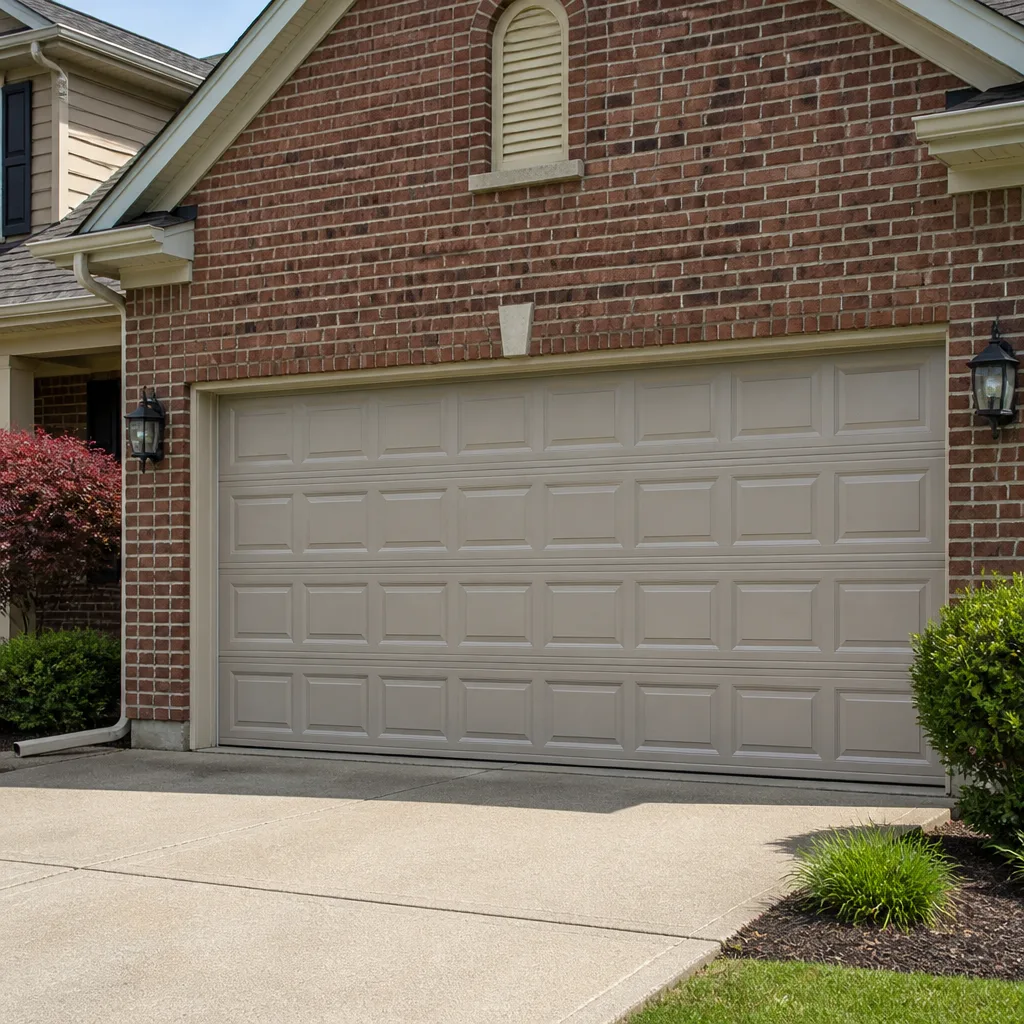 Raised-panel steel
 Carriage house
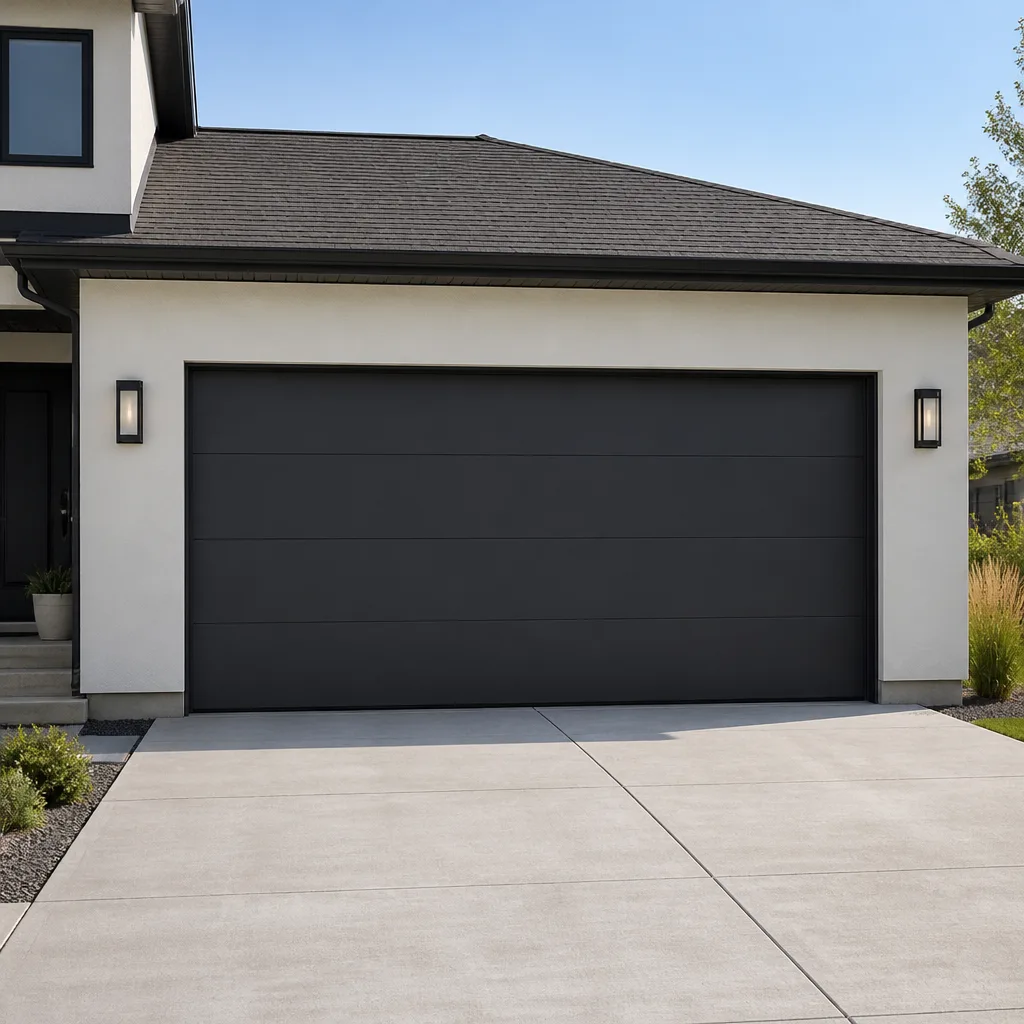 Modern flush
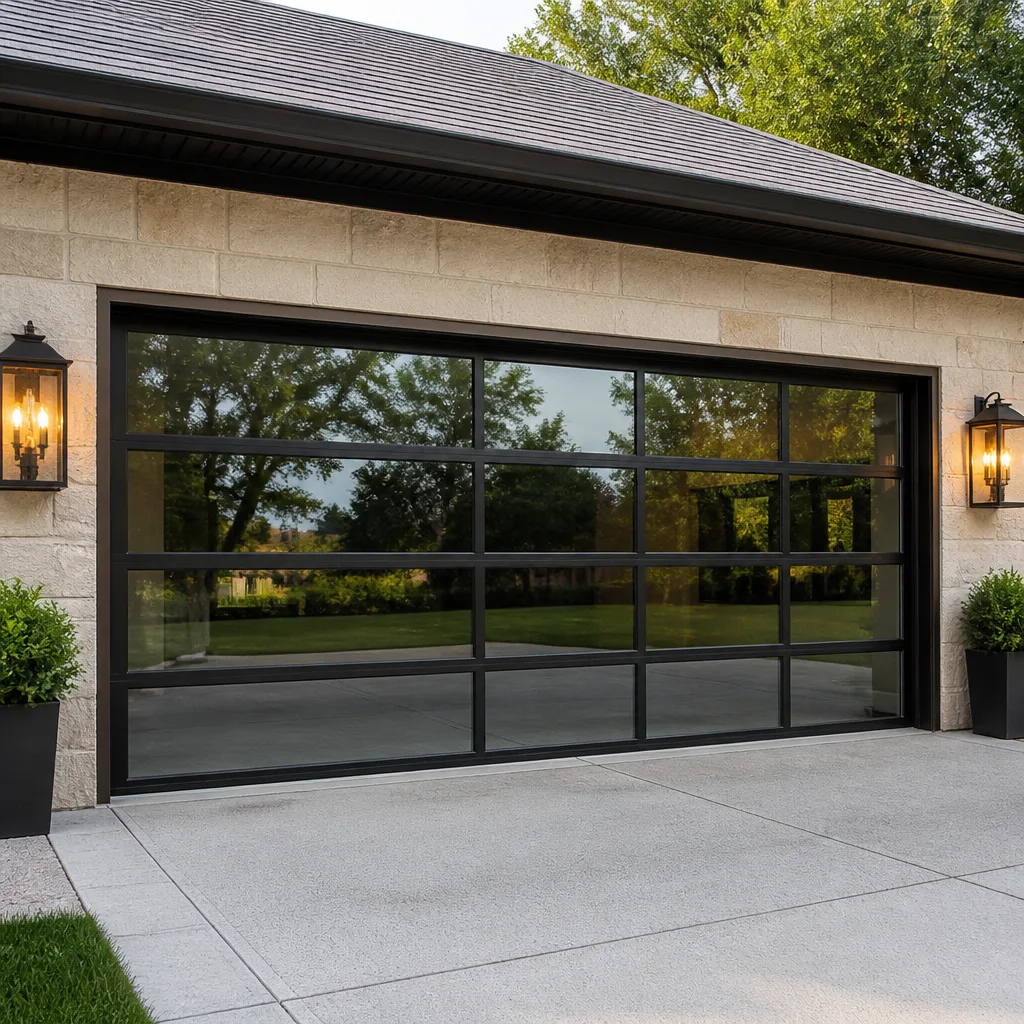 Full-view glass
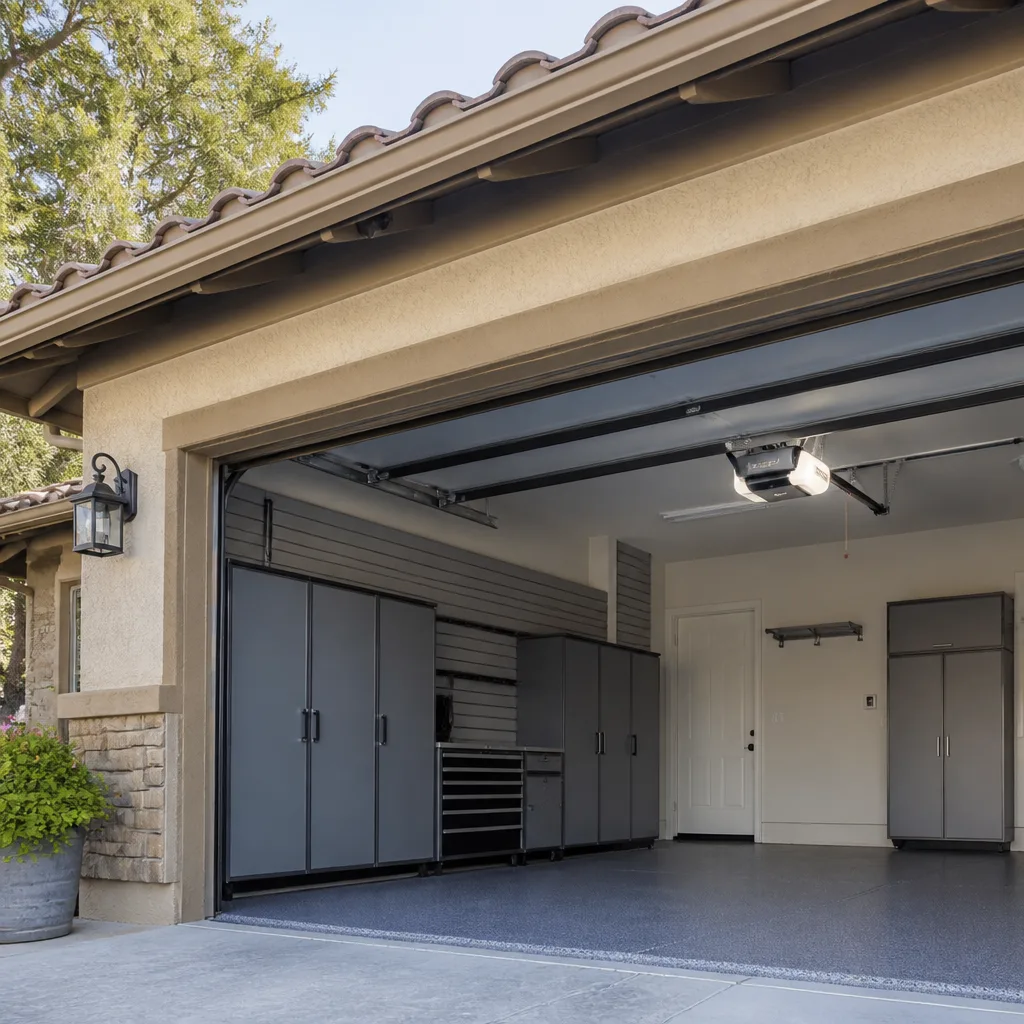 LiftMaster openers
 Chamberlain openers
Full 25-point door and opener safety check with every visit - springs, cables, rollers, tracks, and your LiftMaster or Chamberlain opener included
You get a price before we start. It does not change when the pro arrives.
Get your free estimateGarage Door Repair Maintenance Checklist for Mac-Groveland Homeowners
Most garage door maintenance checklists get copied from a manufacturer PDF and handed out unchanged from Arizona to Maine. That’s a problem, because the failures we get called about in Mac-Groveland don’t come from the things those PDFs emphasize. They come from what a Minnesota winter does to a door that was fine in September: a bottom seal that has stiffened and lost its contact, rollers that skip in the cold, a photo-eye that’s fogged or knocked out of line. The single most common repair call in Minnesota every November isn’t a broken spring. It’s a door that suddenly won’t seal or move cleanly after the temperature swings 60 degrees, because nobody checked the rubber and the hardware before the cold set in. This guide is built backward from those calls. You’ll get a task-by-task schedule, know which jobs are safe to do yourself, and know which ones need a technician.
Quick Answer
A working garage door maintenance routine in Mac-Groveland means checking and lubricating moving parts monthly, tightening hardware and testing the safety reverse every month or two, and servicing the balance, springs, and weather seal before and after each Minnesota winter. The single highest-value habit is a ten-minute monthly check: run the door, listen, watch the bottom seal, and test the auto-reverse. Everything else on this checklist builds off that.
Styles & brands we work with
- Raised-panel steel
- Carriage house
- Modern flush
- Full-view glass
- LiftMaster openers
- Chamberlain openers
Table of Contents
- Why Mac-Groveland Doors Fail Differently Than the Manuals Assume
- The Monthly Checklist (10 Minutes)
- The Seasonal Checklist: Freeze-Thaw Edition
- The Annual Checklist and What to Document
- DIY-Safe Tasks vs. Technician-Only Tasks
- Lubrication for Minnesota Freeze-Thaw Cycles
- Testing Balance, Travel Limits, and Auto-Reverse in Under 10 Minutes
- Maintenance That Protects Your Installer Warranty
Why Mac-Groveland Doors Fail Differently Than the Manuals Assume
Mac-Groveland sits in a part of Saint Paul with a lot of older housing stock, a lot of detached and attached garages that were retrofitted at different points, and a climate that swings hard. A door here lives through a real winter, then a humid summer, then a fall where the temperature can drop from the seventies to the thirties inside a week. That cycle is what wears components out, not steady use. The hardware expands and contracts. Rubber hardens and cracks. Wood panels take on moisture and swell, then dry and shrink. Lubricant that was fine in July turns gummy by January.
The generic “inspect annually” advice misses this entirely. A door that gets one yearly glance in Mac-Groveland can be quietly out of balance for months before it visibly fails, and the extra strain shows up first in the opener. In our experience, a large share of what gets reported as a garage door opener repair problem is actually a door-side issue: a binding track, a worn roller, or a spring that’s lost tension, all of which force the opener to work harder than it should. That’s why this checklist is organized around frequency and around what actually fails here, not around what a generic manual says to look at.
One more local reality: garages around Mac-Groveland range from a single wide door on a 1920s house to a modern double door with a belt-drive opener and a wall-mounted control. The checklist tasks are the same, but the timing shifts. A door with a stiff, older-style seal gives you warning signs earlier in the fall than a newer one. Knowing your own door and watching it is worth more than any rigid schedule.
The Monthly Checklist (10 Minutes)
This is the core routine, and it’s short enough that there’s no good excuse to skip it. Do these tasks once a month, more often if your door gets heavy daily use. Each one is safe for a homeowner.
- Run the door and listen. Open and close it fully while standing back. Grinding, squealing, or a rhythmic thump means something needs attention. A door that sounds different than it did last month is telling you something.
- Watch the bottom seal. Close the door and look along the bottom edge. Daylight or a visible gap means the seal or the floor line needs attention. In Mac-Groveland this matters most going into fall.
- Test the auto-reverse. With the door open a few feet, place a solid object under the door and close it. It should reverse on contact. Details below in the testing section.
- Test the photo-eye safety sensors. Wave an object in front of one sensor and confirm the door reverses or stops. Wipe the lenses if they’re dusty.
- Look at the rollers. Worn nylon rollers look flat-spotted or cracked. Steel rollers that are dry or noisy need lubrication, not replacement.
- Catch loose hardware early. A quick visual pass along the hinges and brackets. Anything obviously loose gets a wrench, but don’t over-tighten or you’ll strip the mounting.
Ten minutes a month catches the vast majority of problems while they’re still cheap. When a door starts binding or a sensor drifts, you’ll usually see it in this routine weeks before it turns into a stuck door on a cold morning.
The Seasonal Checklist: Freeze-Thaw Edition
Minnesota gives you two checkpoints that matter more than any others: the end of fall, before the first hard freeze, and the start of spring, when everything thaws and swells. Treat these as non-negotiable.
Before the Cold Sets In
- Check the bottom seal for stiffness or cracking. Cold makes a hardened seal brittle, and a seal that won’t flex won’t seal. Replace it before the cold, not after.
- Lubricate hinges, rollers, and the springs (extension springs, per the lubrication section) with a cold-rated product. Summer-weight lubricants can thicken in cold.
- Test balance and travel limits. A door that’s slightly out of balance in October will strain the opener much harder in January.
- Clear anything stored against the door that could bind it, and check that the door clears snow and ice build-up at the threshold.
When Things Thaw
- Recheck the seal and the floor line, since the ground heaves and settles over winter.
- Look at the panels and joints for moisture damage, especially wood doors, which swell as things get humid.
- Check that the door still reverses and that the sensors are aligned after a season of the frame shifting.
- Reassess the lubrication. Spring is also a good time to clean old, gummy lubricant off and start fresh.
If you only do maintenance twice a year, make it these two windows. Everything in the monthly routine is easier and more meaningful when it’s anchored to the seasonal swings that actually drive failures in Mac-Groveland.
The Annual Checklist and What to Document
Once a year, go deeper. This is where you catch the slow problems and build a record of what you’ve done. A simple notebook or a note on your phone is enough; write down the date and what you checked.
- Full balance test, with the opener disconnected. Details below. This is the single most useful annual check.
- Spring inspection. Look, don’t touch. Note any rust, gaps, or stretching on extension springs. If it’s a torsion system, that’s a visual-only check for a technician.
- Track alignment. Look down each track with the door fully closed and fully open. It should be straight and parallel.
- Panel and hinge review. Check for bent or cracked panels, and confirm hinges and brackets are tight without being over-torqued.
- Opener tune-up. Test the force and travel settings per your opener’s manual (for a LiftMaster or Chamberlain unit, the manual spells out the settings test) and confirm the safety features work.
- Weatherstripping and thresholds. The bottom seal, the side jambs, and the threshold all get checked for gaps.
Documentation matters for two reasons. First, you’ll spot trends, like a seal that keeps wearing in one spot. Second, a maintenance log with dates is what you show if a warranty question ever comes up. Keep it simple and keep it current.
DIY-Safe Tasks vs. Technician-Only Tasks
This is where a lot of homeowners get into trouble, so let’s draw the line clearly. Some tasks are genuinely safe for you to do. Others are not, no matter how handy you are.
Safe for a Homeowner
- Lubricating hinges, rollers, and tracks (per the section below).
- Tightening visible bolts and brackets gently.
- Cleaning and aligning photo-eye sensors.
- Replacing a bottom seal or weatherstripping on some door types, following the door’s instructions.
- Testing the auto-reverse, balance, and travel limits.
- Cleaning the tracks and removing debris.
Technician-Only
- Spring and cable work of any kind. Torsion and extension springs and their cables are under extreme tension. This is the most dangerous thing on a garage door and the most commonly botched repair. Do not attempt it.
- Adjusting or replacing torsion springs. Requires proper tools and training. A real technician will tell you the same.
- Replacing cables or drums. Same tension hazard.
- Working on a door that’s stuck open, hung, or off its track. That’s a professional job. Don’t try to force it.
- Rewiring or touching opener electrical connections beyond what the manual permits. Electrical work belongs with a trained professional.
If you’re ever unsure whether a task is safe, it isn’t worth the risk. A door that seems stuck is a door that can snap. When it’s spring or cable related, stop and call us.
Lubrication for Minnesota Freeze-Thaw Cycles
Not all lubricants behave the same in cold weather, and this is one area where generic advice trips people up. The wrong product does more harm than none.
- What to use: a garage door or lithium-based lubricant rated for cold temperatures, or a silicone spray for the tracks and moving surfaces. A dedicated garage door lubricant is the safest choice for hinges and rollers.
- What to avoid: heavy grease and general-purpose household lubricants that turn thick in the cold. In a Minnesota winter, a product that’s thick at room temperature can become nearly solid, and that drags on the whole system. Avoid putting lubricant on the track’s flat running surface in a way that attracts grit.
- Where to apply: hinges (a drop in the pivot points), rollers (the bearing, not the wheel running surface), and the spring area for extension springs. Keep lubricant off the photo-eyes and off any surface that drives a belt.
- Extension vs. torsion springs: if you have extension springs, they can be lubricated as part of routine maintenance. Torsion springs should be left to a technician – lubricating near a torsion spring puts you in the danger zone.
The freeze-thaw cycle is the enemy here. A lubricant that stays flexible through the cold keeps a door running quietly; one that stiffens turns a smooth door into a struggle that wears the opener. If you’re not sure what’s on your door, a technician can advise on the right product in a single visit.
Testing Balance, Travel Limits, and Auto-Reverse in Under 10 Minutes
Three tests tell you more about your door’s health than anything else, and you can run all of them in under ten minutes. Here’s how, and what each result means.
Balance Test
- Close the door and disconnect the opener (usually a pull cord or a release lever – check your opener’s manual).
- Lift the door about halfway by hand, then let it go.
- A balanced door holds roughly where you left it. A door that drops or rises on its own is out of balance and needs a technician.
A failing balance result usually points to a spring that’s lost tension. That’s a professional fix, and it’s a warning sign worth acting on before the opener gets damaged.
Travel Limits Test
Open and close the door fully with the opener. It should settle flush with the floor when closed and stop at the right height when open, without straining or reversing on its own. If it doesn’t, the travel or force settings need adjusting per your opener’s manual. For a LiftMaster or Chamberlain unit, the manual’s test procedure is the reference.
Auto-Reverse Test
- Place a solid object like a roll of paper towels on the floor beneath the door.
- Close the door with the opener and watch what happens when it contacts the object.
- It should reverse immediately on contact. If it keeps pushing, stop and have it checked.
A failing auto-reverse is a genuine safety problem – a real technician will always tell you to get it fixed right away. It’s also a two-minute test you can run any month.
Maintenance That Protects Your Installer Warranty
New doors and openers usually come with warranty terms that assume a reasonable amount of upkeep, and skipped maintenance is one of the most common reasons a claim gets refused. The specifics vary by brand, and you should read the terms that came with your door, but the pattern is consistent: the warranty expects you to keep the door’s moving parts lubricated, keep it balanced, and use it as intended.
- Keep a log. A dated note of your monthly and annual checks is your evidence that you did the upkeep.
- Don’t ignore warning signs. A door that’s been binding for months and then damages the opener can complicate a warranty claim. Catch problems early and document when you first noticed them.
- Have a technician do the high-risk work. Spring and cable work by an unqualified person can void coverage on the parts involved.
- Know your brands. Doors and openers from Clopay, Amarr, Wayne Dalton, Raynor, LiftMaster, Chamberlain, Genie, and Craftsman each carry their own terms. We work on all eight, so we can help you understand what your system expects.
Protecting the warranty isn’t about red tape. It’s about the same routine that keeps the door running: lubricate, balance, test, and document. Do that and you’re in good shape with nearly any installer. If a repair does turn into a replacement, we handle the whole spectrum, so you won’t need to call a second company. When you’re ready to plan that, our garage door installation team can walk through options and measurements.
Common Mistakes to Avoid
- Wrenching down every bolt. Over-tightening hinges and brackets strips the mounting holes and can bend the panel. Snug is the goal, not maximum torque.
- Greasing the tracks like a machine shop. Too much lubricant on the flat running surface collects grit and makes things worse. Lubricate the moving joints, not the whole track.
- Using regular household lubricant in a Minnesota winter. A product that’s fine in summer can stiffen and drag in January. Use a cold-rated garage door lubricant.
- Ignoring the bottom seal until it fails fully. A stiff, cracked seal is a fall task, not a winter emergency. Check it before the cold sets in.
- Forcing a stuck door. If the door is hung or off its track, pushing it can bend panels and make the repair bigger. Stop and call a technician.
- Trying to fix a spring or cable yourself. This is the most dangerous repair in the category. It’s not a DIY job, and treating it like one can cause serious injury.
- Not tracking anything. Without a dated log, you can’t tell a worn part from a new one, and you can’t back a warranty question. A note on your phone is enough.
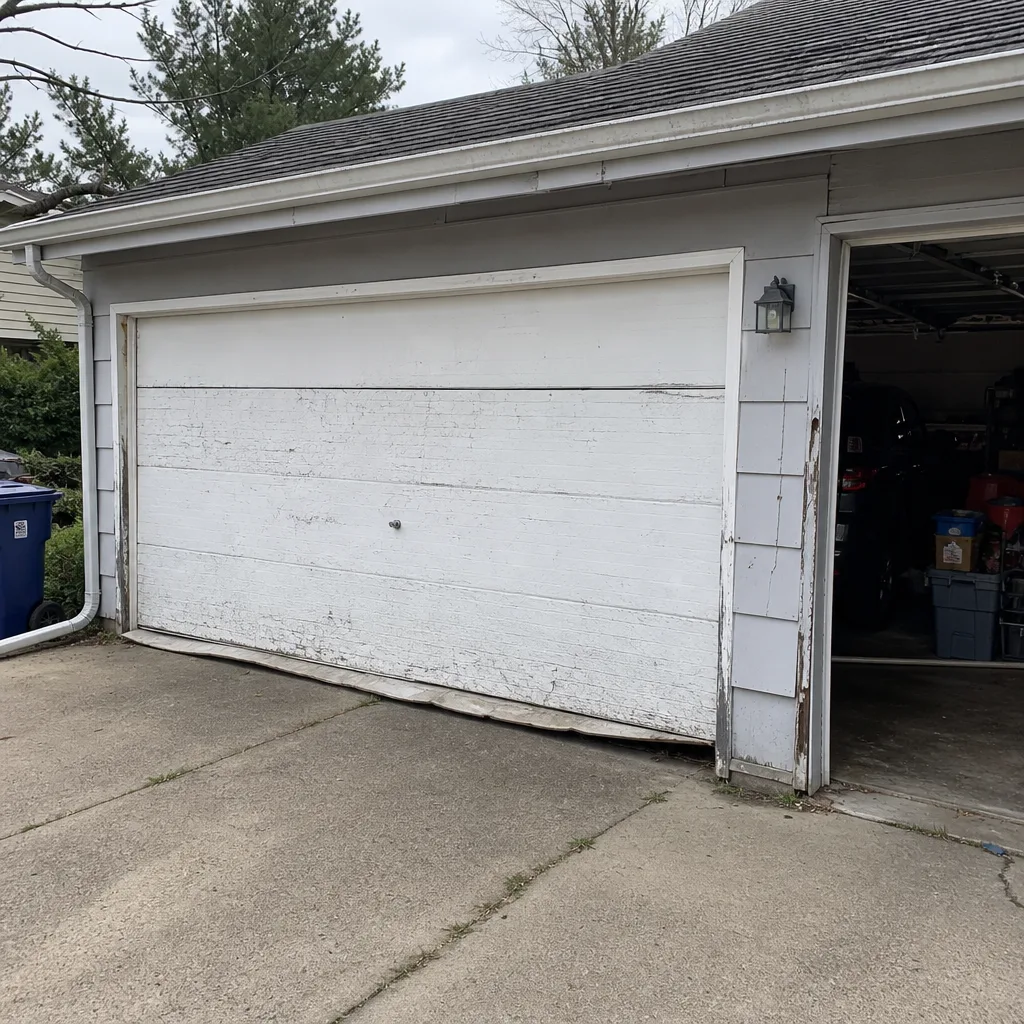
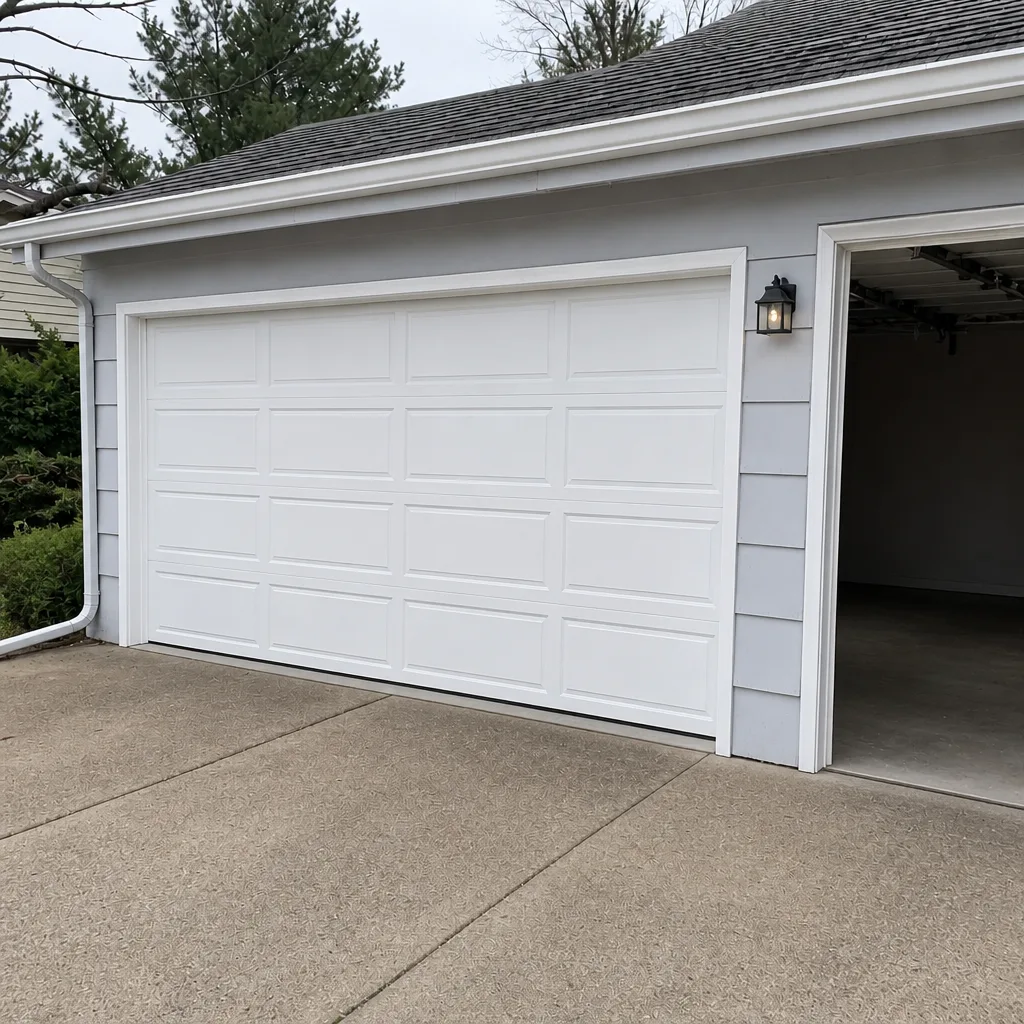
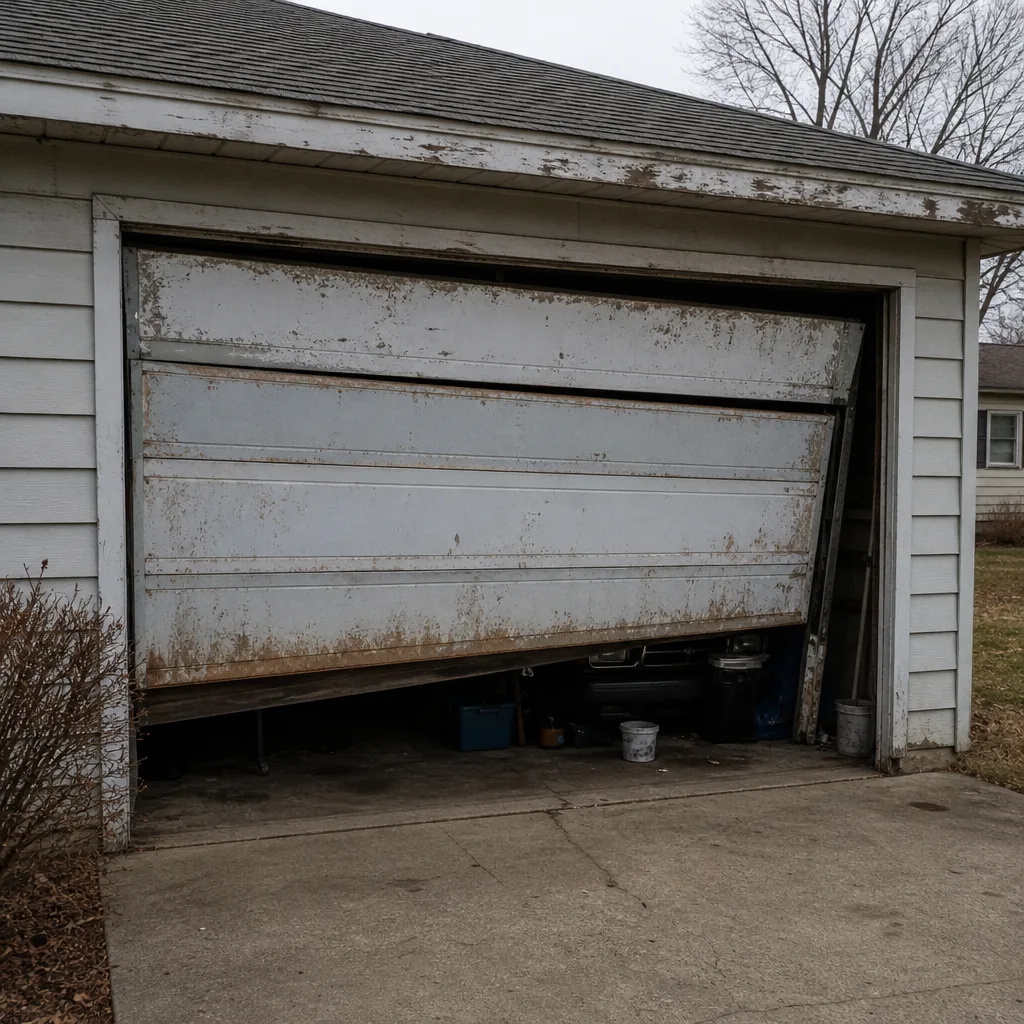
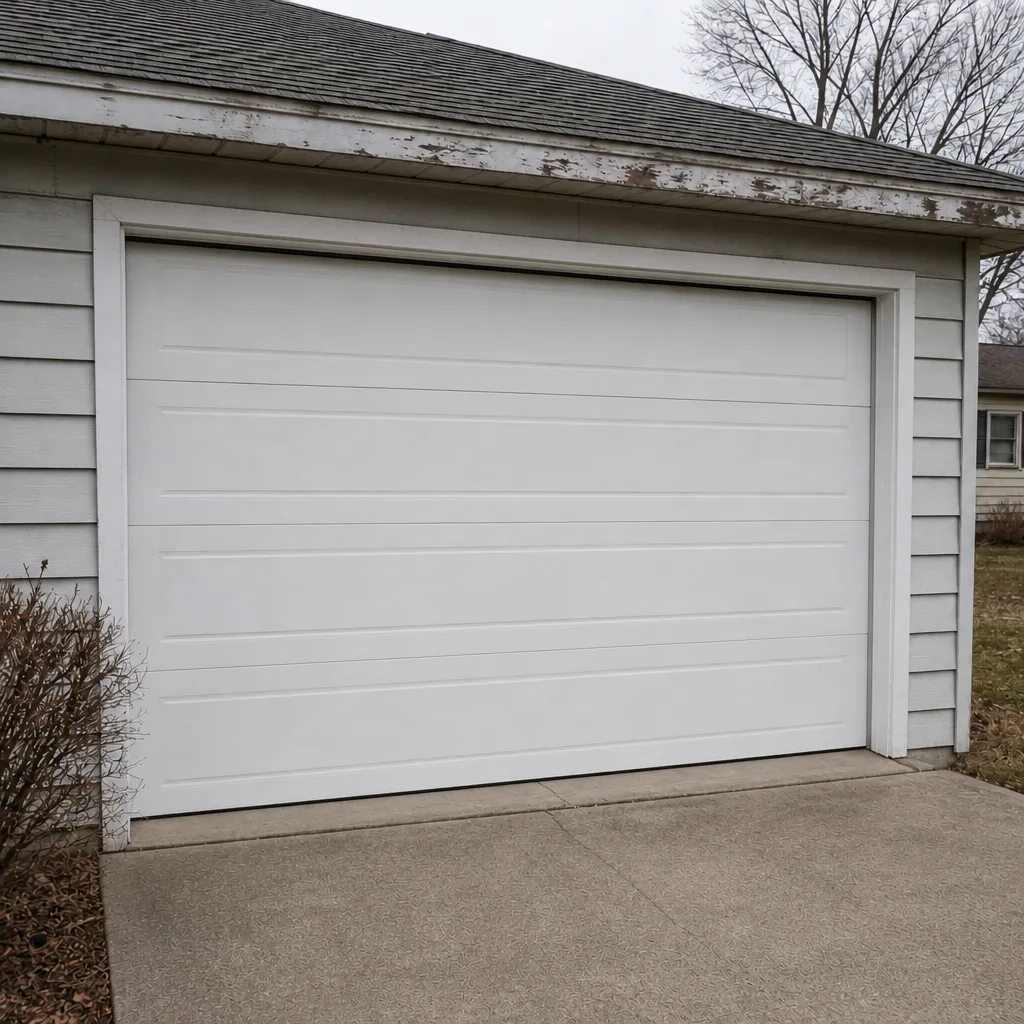
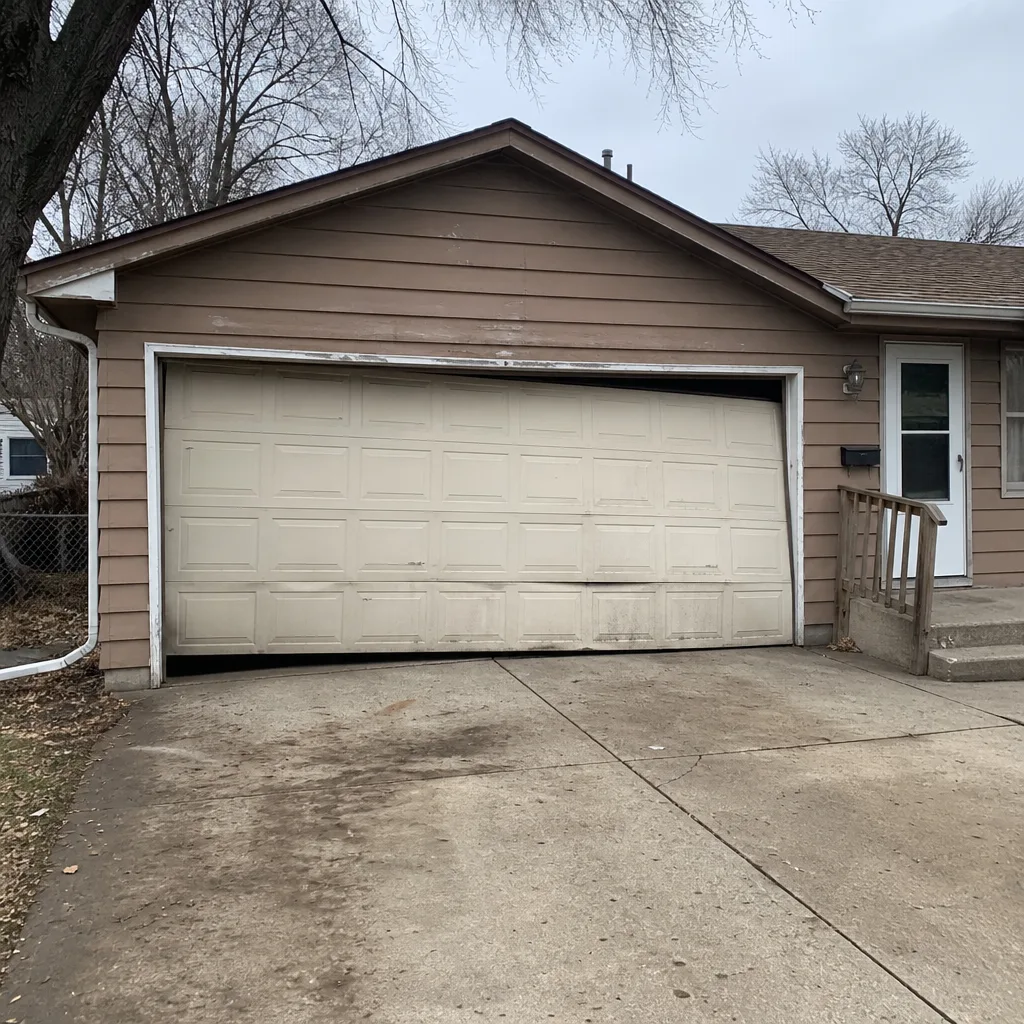
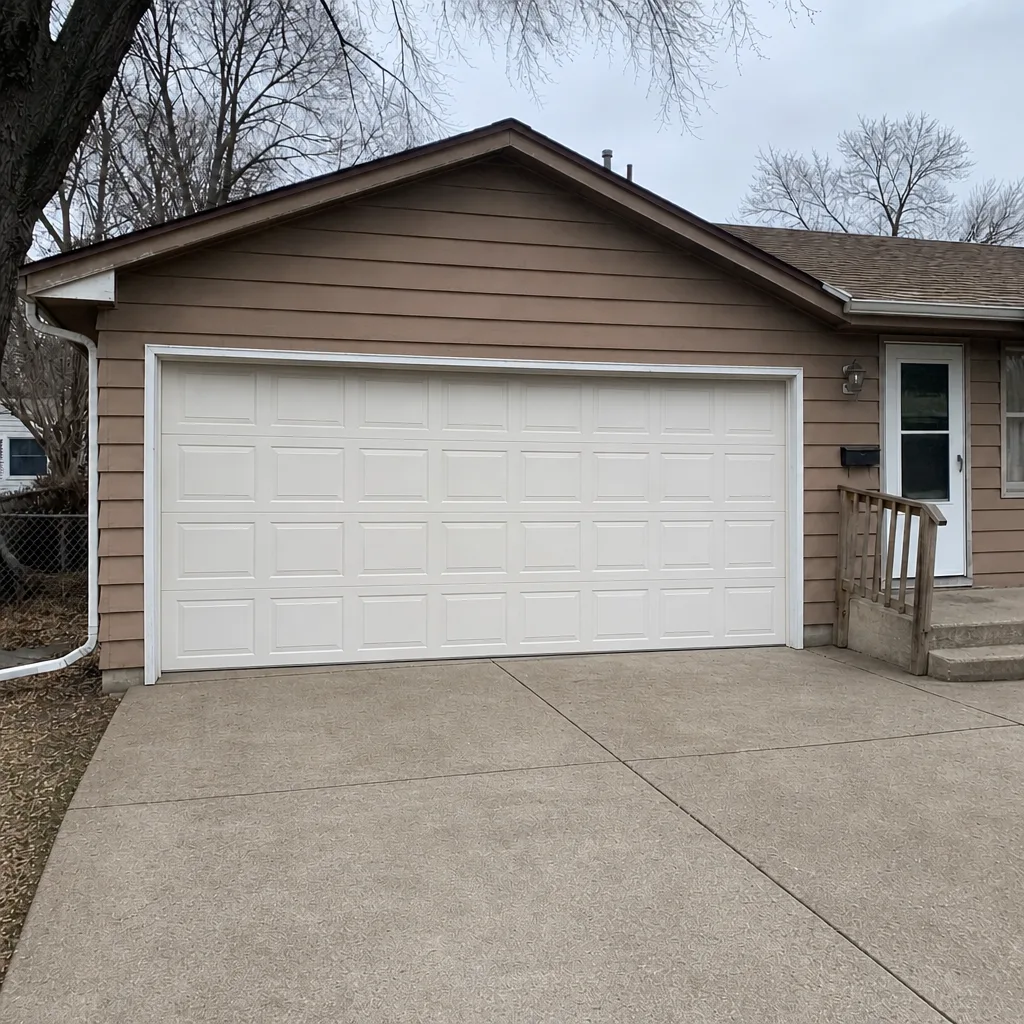
See the difference
 Before
 After
 Before
 After
 Before
 After
When to Call a Professional
Some jobs are yours to handle, and some are not worth the risk. Call a professional when the door is stuck open, hung, or off its track; when a spring or cable is involved; when the balance test fails; or when the auto-reverse won’t engage and stay engaged. Call if the opener is straining, if the door binds, or if you’ve lubricated and tightened what you safely can and it’s still misbehaving. A genuinely dangerous situation, like a broken spring trapping a car or a door hanging open, is exactly what our emergency service is for. Garage Door Repair Mac-Groveland offers free estimates in Mac-Groveland – call (833) 586-4558. We answer 24/7. Fast dispatch from 7am to 7pm, Sunday through Friday. Our technicians have up to 11 years of experience, and we work on your brand, whether it’s a Raynor or a Genie, so you’re not getting someone improvising on unfamiliar equipment.
Frequently Asked Questions
Run the ten-minute monthly check every month, do a deeper seasonal pass before winter and after the thaw, and do a full annual inspection with a written log. The monthly check catches most problems early; the seasonal passes matter more here than in milder climates because of the freeze-thaw cycle.
No. Torsion and extension springs and their cables are under extreme tension and are the most dangerous component on a garage door. This is technician-only work, and attempting it can cause serious injury. Call a professional – our technicians have up to 11 years of experience with spring repair done right.
Yes, lubricating the hinges, rollers, and tracks is safe and worthwhile if you use the right product. Use a cold-rated garage door lubricant, not household grease that stiffens in the cold, and keep lubricant off the photo-eyes and torsion spring area. If you’re unsure, a technician can show you the right spots in one visit.
Stop using the opener until it’s fixed. A failing auto-reverse is a genuine safety problem. Recheck the photo-eye sensors first, since a misaligned or dirty sensor often causes it, and if the door still won’t reverse on contact, call a professional to check the opener’s force and travel settings. Call (833) 586-4558 for an exact assessment.
In all likelihood, yes. We service eight of the most widely installed brands: LiftMaster, Chamberlain, Genie, Clopay, Amarr, Wayne Dalton, Craftsman, and Raynor. That covers nearly any system you’re likely to have, so we can diagnose and repair in the same visit rather than guessing at unfamiliar equipment.
We offer emergency garage door service for exactly that situation, including a door stuck open overnight or a broken spring trapping a car. Call (833) 586-4558 to get scheduled – we answer 24/7, with fast dispatch from 7am to 7pm, Sunday through Friday. The price is quoted and agreed before any work starts, and estimates are free.
The Bottom Line
Garage door maintenance in Mac-Groveland isn’t complicated, but it is specific to this climate. The ten-minute monthly check – run the door, watch the seal, test the auto-reverse – catches most problems while they’re still cheap. The two seasonal passes before winter and after the thaw matter more here than a generic manual suggests, and the annual pass with a dated log protects both the door and your warranty. Lubricate with the right cold-rated product, leave springs and cables to a technician, and act on balance or auto-reverse failures right away. Do that and your door stays predictable through the swings. When something needs a professional, we’re one call away.
Ready to get your door checked before the next temperature swing? Our team handles diagnosis, repair, parts, and installation in a single visit. See our full range of garage door repair services, or start with an overview of everything we do at Garage Door Repair Mac-Groveland. When it won’t open and you can’t wait, or when a planned maintenance visit is the better call, reach us at (833) 586-4558 for a free estimate. We answer 24/7. Fast dispatch from 7am to 7pm, Sunday through Friday.
Written by the team at Garage Door Repair Mac-Groveland.